

By Olumide Johnson
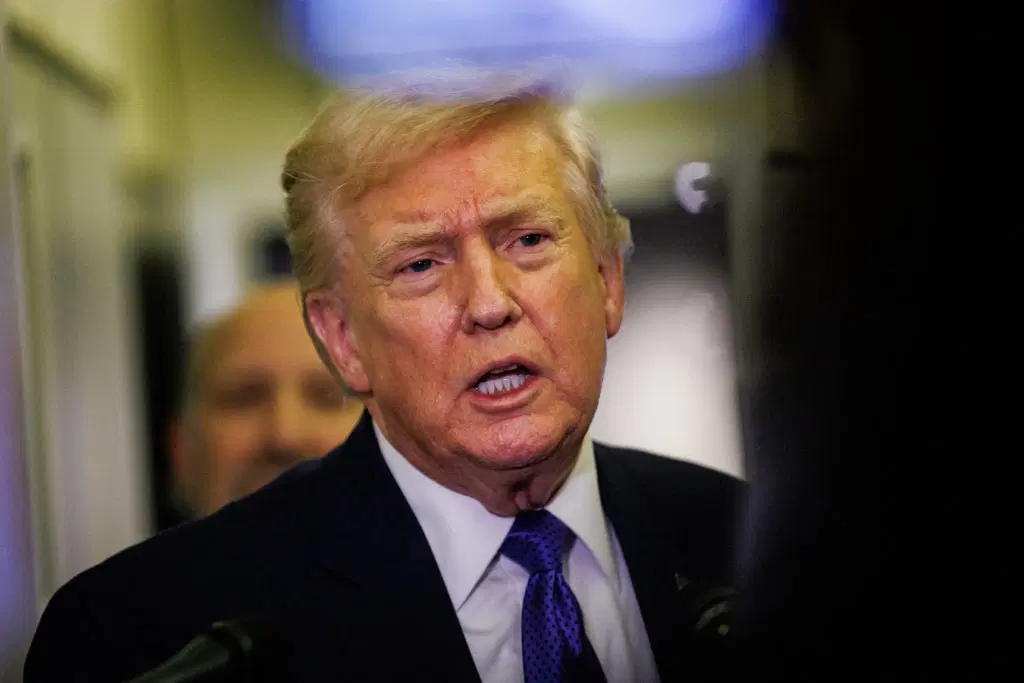
United States President, Donald Trump, has signed legislation extending the African Growth and Opportunity Act (AGOA) to December 31, 2028, preserving duty-free access to the US market for Nigeria and 31 other sub-Saharan African countries.
DEVELOPMENT:
The Nigerian-American Chamber of Commerce (NACC) is urging Nigeria to use the extension to expand non-oil exports and remove domestic constraints affecting access to the US market.
NACC National President, Alhaji Sheriff Balogun, said that the extension creates investment certainty but warned against underutilisation. “This extension gives Nigeria the certainty needed to invest and expand our exports. But we must use these twenty-eight months to move beyond oil.”
He identified agricultural products, textiles, processed foods and manufactured goods as priority areas, while the Chamber called for improvements in ports, standards compliance and logistics.
DATA:
The legislation passed the US Senate 90-6 and House 340-54. Nigeria is the second-largest AGOA beneficiary, while the extension provides 28 months of additional preferential market access.
SIGNIFICANCE:
The extension reduces immediate uncertainty for exporters but does not resolve Nigeria’s competitiveness constraints. Duty-free access has limited value where production costs, logistics, standards compliance and shipment delays prevent businesses from competing effectively in the US market.
NEXT MOVE:
The critical test is whether government and businesses can convert preferential access into sustained shipments of value-added goods. Engagement with Washington on trade concerns, including forced-labour compliance, will also be important.
Balogun described the timeframe as urgent: “The next two years are a sprint, not a pause. NACC will connect Nigerian producers with American buyers and make the business case for a lasting successor to AGOA that serves all our interests.”
OUR LENS:
AGOA’s extension is less an export gain than a temporary policy window. Its economic value to Nigeria will depend on whether domestic reforms can convert market access into production, exports, investment and foreign-exchange earnings before the current framework expires.
Olumide Johnson is a journalist, reporting on energy, business, markets, policy and developments shaping Nigeria’s economy.
Discover more from StakeBridge Media
Subscribe to get the latest posts sent to your email.