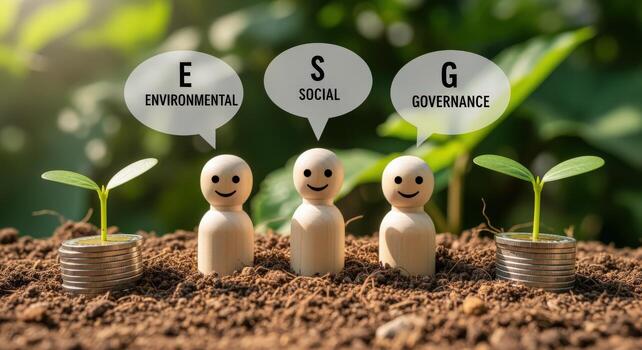
The new sustainability governance guidelines create clear expectations for companies. They outline what leadership must do and how the rest of the organisation should respond.
The first requirement is strong leadership oversight. Boards must approve sustainability policies and set direction for how the company manages environmental, social and governance issues. They must monitor progress and ensure sustainability becomes part of core strategy.
Management handles the execution. They must create plans that match the company’s goals. They must coordinate teams, assign responsibilities, and collect reliable data. Good reporting depends on accurate information and consistent tracking.
The guidelines also highlight the need for training. Teams need basic orientation on sustainability practices. This includes safe work processes, efficient resource use, and better community engagement. When people understand their roles, the system works better.
Reporting is another key requirement. Companies must communicate their activities clearly. They must show what they achieved, what improved, and what they still need to work on. Investors want honest information. Communities want transparency. Regulators want order.
These steps help companies build better systems and reduce operational risks. They also improve trust. In today’s market, trust is a major advantage.
Also READ: Sustainability Governance In Nigeria. Why It Matters for Today’s Businesses:
sustainability-governance-in-nigeria-why-it-matters-for-todays-businesses/
Discover more from StakeBridge IRPR Consulting Limited
Subscribe to get the latest posts sent to your email.