

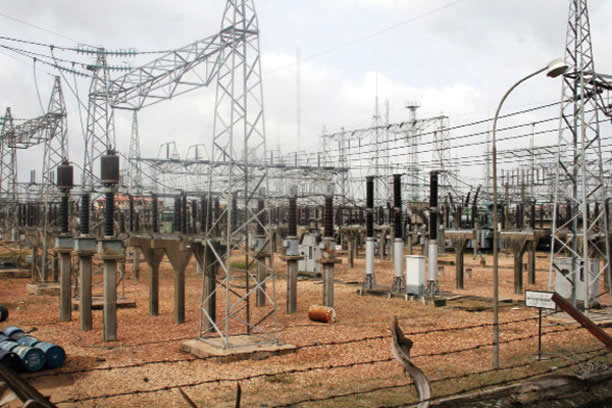
Nigeria has officially joined a unified West African power grid, a milestone that cements its position as a regional leader in energy integration and cross-border electricity cooperation.
The Nigerian Independent System Operator (NISO), in collaboration with the West African Power Pool (WAPP) Information and Coordination Centre, confirmed the successful synchronisation of Nigeria’s national grid with the broader West African network in a test conducted between 5:04 a.m. and 9:04 a.m. on Saturday, November 8, 2025.
The operation connected Nigeria, Niger Republic, and parts of Benin and Togo with the rest of the West African grid, achieving for the first time a single-frequency power system spanning 15 countries across the sub-region.
In a joint statement released on Sunday, NISO Chairman Adesegun Akin-Olugbade and Managing Director/CEO Abdu Bello Mohammed described the achievement as a major leap toward building a stable, reliable, and interconnected electricity market within ECOWAS.
“The test marks a breakthrough in the effort to establish a unified West African electricity grid operating at a single frequency,” the statement read. “This milestone demonstrates our technical readiness and affirms Nigeria’s central role in driving regional economic growth through energy cooperation.”
Efforts to harmonise the region’s power systems began nearly two decades ago. The only previous attempt in 2007 lasted just seven minutes before being aborted due to instability. The latest test, however, succeeded thanks to real-time communication, stricter frequency control, improved system monitoring, and harmonised operational standards between NISO and the WAPP coordination centre.
This synchronisation effectively links Area 1 – covering Nigeria, Niger, and parts of Benin and Togo – with Areas 2 and 3, which include other West African countries, under one interconnected grid.
According to NISO, the development will enable countries to trade electricity efficiently, lower supply costs, and enhance reliability through shared energy reserves. It also positions Nigeria as a pivotal player in regional power trading, unlocking stranded generation capacity and boosting foreign exchange earnings from cross-border energy exports.
The move aligns with Nigeria’s ongoing power sector reforms and its drive to attract international donor funding for strategic infrastructure. Key projects such as the North Core Transmission Project in Birnin Kebbi and the Ajegunle 330 kV Substation in Lagos are expected to benefit from increased investor confidence and enhanced collaboration within the West African Electricity Market.
Beyond financial gains, the integration strengthens grid stability, allowing Nigeria to supply or draw power during emergencies, thereby improving reliability for millions of consumers across the region.
The achievement underscores Nigeria’s leadership in West Africa’s energy transition, as the region moves closer to establishing a competitive, single electricity market that will serve over 400 million people across 14 ECOWAS countries.
Discover more from StakeBridge Media
Subscribe to get the latest posts sent to your email.