

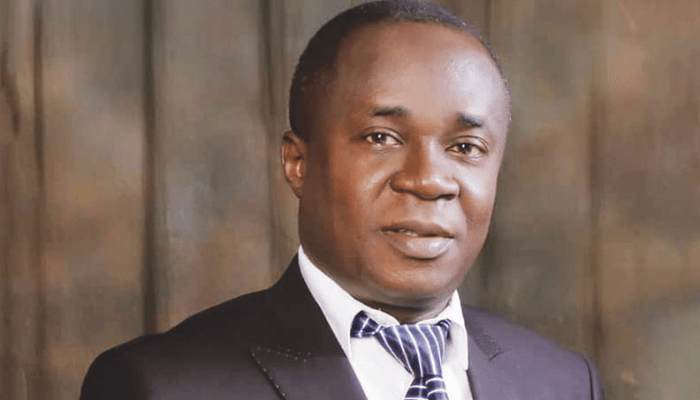
Nigeria’s sweeping economic reforms are beginning to deliver early wins, but the country must now focus on ensuring that these gains improve the lives of ordinary citizens.
This was the view of Professor Uche Uwaleke, President of the Capital Market Academics of Nigeria, who assessed the nation’s recent economic trajectory during an interview recently.
Prof. Uwaleke said key indicators suggest the economy is stabilising faster than many anticipated. Inflation has eased to 18.02 percent, down from over 30 percent, while the foreign exchange market has recorded greater stability, contributing to a rise in external reserves and a stronger current account position.
“I agree with the view that the economy is gradually turning the corner,” he said. “The reforms are beginning to yield positive results. Compared to last year, the macro numbers show an economy in better shape.”
He noted that investor sentiment has strengthened both at home and abroad, with the stock market returning nearly 40 percent earlier in the year before its recent pullback. According to him, this performance reflects renewed confidence powered by difficult but necessary reforms – including fuel subsidy removal, exchange rate unification, and the rollout of new tax measures beginning in January.
“These reforms in totality have contributed to the kind of confidence the economy is now enjoying,” he said, pointing also to Nigeria’s favourable credit ratings and the successful Eurobond issuance as signs that global markets are paying attention.
Yet, despite these encouraging signals, Prof. Uwaleke warned that the improvements remain largely “macro” and have not translated into everyday relief for most Nigerians.
“Yes, the macro numbers are improving, but the welfare of the average Nigerian is another matter,” he cautioned. “Inflation is moderating and gross domestic product (GDP) is growing at 4.23 percent, but the World Bank has reported that poverty is rising. Beyond the chest-beating, we must make this growth inclusive.”
He explained that services continue to dominate GDP growth, while manufacturing and agriculture – the sectors most capable of lifting millions out of poverty – remain weak. Targeted support, he said, is needed to deepen productivity and expand opportunities for households and small businesses.
Prof. Uwaleke also addressed the recent turbulence in Nigeria’s capital market, where over N4.6 trillion was wiped out in a single day. He attributed the sell-off to widespread confusion over the government’s capital gains tax (CGT) policy.
“The losses were due to uninformed reports about the implementation of capital gains tax,” he said. “After clarifications from the Minister of Finance and the Presidential Fiscal and Tax Reforms Committee, the market rebounded, gaining over N2 trillion.”
He stressed that pension funds, REITs, and similar institutional vehicles remain exempt from CGT. He also highlighted the “grandfathering” rule, which ensures that gains made before December 31, 2024, will not be taxed – a measure that helped calm jittery investors.
But Uwaleke reserved his strongest concerns for Nigeria’s growing dependence on Eurobond borrowing. He described the trend as both costly and risky, especially in a volatile global interest-rate environment.
“With respect to Eurobonds, we shouldn’t be resorting to that market as a financing strategy,” he said. “Eurobonds are commercial debts – expensive compared to other loans. They are just 36 percent of our external debt but take up over 55 percent of our debt servicing.”
He warned that Nigeria’s Eurobond stock has ballooned from $500 million in 2011 to $15 billion today, creating a cycle where the country borrows anew to repay maturing bonds – a pattern he described as unsustainable.
“We should de-emphasise commercial debts and prioritise concessional loans from multilaterals and bilaterals – borrowing for productivity, not consumption,” he said.
Reflecting on the broader economic outlook, Prof. Uwaleke concluded that while the reforms have set Nigeria on a stronger path, the real priority must now shift from macro stability to human welfare.
“Macroeconomic stability and investor confidence are important, but growth must translate into real benefits for citizens. That’s the challenge ahead.”
Discover more from StakeBridge Media
Subscribe to get the latest posts sent to your email.