

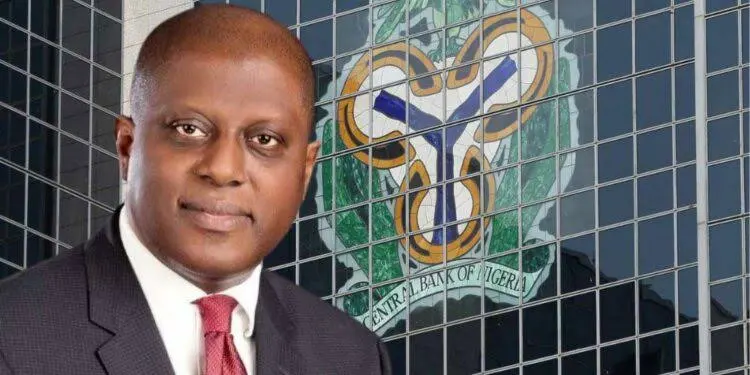
The Bureau De Change (BDC) market had long been crowded and chaotic. Thousands of operators worked with little uniformity, leaving the foreign exchange space messy and unpredictable. Exchange rates fluctuated without clear cause, and effective oversight was lacking. Now, the Central Bank of Nigeria (CBN) is taking a different approach by cutting the number of licensed BDCs to a tightly regulated group of just 82.
What happened
The CBN announced that 82 BDCs have received final approval to operate from November 27. The decision is backed by the Bank and Other Financial Institutions Act (BOFIA) 2020 and the 2024 Regulatory and Supervisory Guidelines for BDC Operations.
In a statement, Hakama Sidi-Ali, the Acting Director of Corporate Communications, said that only the operators listed on the CBN website are authorised. She stated that the list would be updated regularly, and the public should check it before doing any foreign exchange transactions.
She also reminded Nigerians that running a BDC without a valid licence is a punishable offence under BOFIA 2020.
Who benefits
People who buy and sell foreign currency get a more trustworthy market. A smaller group of operators makes it easier to know who is genuine. Businesses that depend on forex transactions also gain clarity and stability.
The CBN benefits too, because it can supervise and enforce the rules more effectively.
Who loses
Unlicensed operators lose the most. The previous system allowed thousands of BDCs to operate with little structure. Many of them are now out of the market. Those who relied on weak monitoring no longer have room to operate.
What it means
This decision is deeper than a routine update. It marks a real shift toward order. At one point, Nigeria had almost 5,700 BDCs. After the CBN revoked 4,173 licences in March 2024, the number dropped to about 1,517. Now it stands at 82.
In shrinking the field, the CBN is pushing for better compliance and more accountability. With fewer operators, monitoring becomes easier and suspicious activities become harder to hide.
The regulatory logic
The updated 2024 guidelines require stronger governance, better reporting, and stricter capital standards. BOFIA gives the CBN the authority to enforce these rules.
The bank also urged the public to verify operators through its website and avoid dealing with unlicensed forex dealers. This is meant to protect customers and keep the market clean.
What to expect
The FX market will become more organised. The smaller number of BDCs may reduce the spread of informal dealings and help build confidence. The CBN is clearly laying the foundation for a more stable and transparent system.
With consistent enforcement, Nigeria’s BDC market has the potential to move beyond the confusion that once defined it
The old era was shaped by volume without structure. This new one is shaped by clear licences, stronger rules, and real oversight. The CBN has made its direction clear. It wants a market that people can trust, and reducing the number of operators is its first big step toward that goal.
Discover more from StakeBridge Media
Subscribe to get the latest posts sent to your email.