

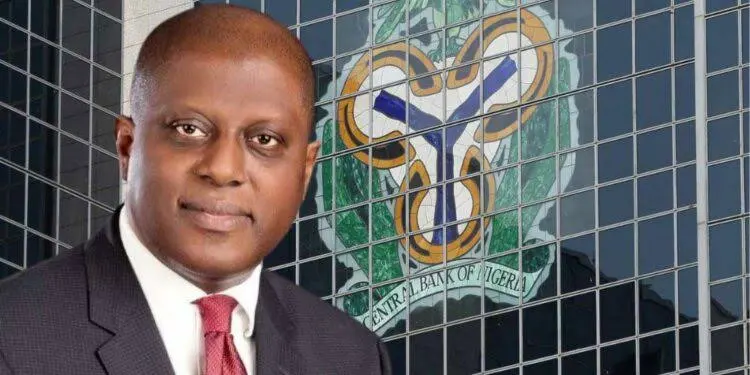
Nigeria’s mortgage banking space has recorded a major regulatory shake-up as the Central Bank of Nigeria (CBN) revoked the operational licenses of Aso Savings and Loans Plc and Union Homes Savings and Loans Plc, citing deep and persistent breaches of banking rules.
What happened
The CBN announced the revocation under Section 12 of the Banks and Other Financial Institutions Act 2020 and Section 7.3 of the Revised Guidelines for Mortgage Banks in Nigeria. The decision was confirmed in a press statement signed by Hakama Sidi Ali, Acting Director of Corporate Communications.
According to the apex bank, the action forms part of efforts to restore confidence in the mortgage sub-sector and enforce strict compliance with financial regulations.
Why the CBN acted
The regulator said both institutions failed to meet several core requirements expected of licensed mortgage banks. These include an inability to maintain the minimum paid-up share capital for their license category and holding assets that were insufficient to cover liabilities.
The CBN also noted that both banks were critically undercapitalised, with capital adequacy ratios falling below prudential limits. In addition, they repeatedly ignored regulatory directives issued by the apex bank.
The affected lenders have faced challenges that predate the latest action. They were previously linked to depositor complaints and concerns around corporate governance.
In 2024, both institutions were delisted from the Nigerian Exchange after failing to submit audited financial statements for more than six years, raising further red flags about transparency and operational health.
What the revocation means
With their licenses withdrawn, Aso Savings and Union Homes can no longer operate as financial institutions in Nigeria. The CBN advised depositors and other stakeholders to await further communication from either the apex bank or the Nigeria Deposit Insurance Corporation on possible liquidation or resolution steps.
What it signals for the sector
In its statement, the CBN reaffirmed its commitment to maintaining financial system stability. The move sends a clear message to other operators in the mortgage and banking space that prolonged non-compliance will no longer be tolerated.
The revocation highlights a broader regulatory push to clean up the financial system and ensure that only institutions with sound finances and strong governance remain active in Nigeria’s banking industry.
Discover more from StakeBridge Media
Subscribe to get the latest posts sent to your email.