

By Olumide Johnson
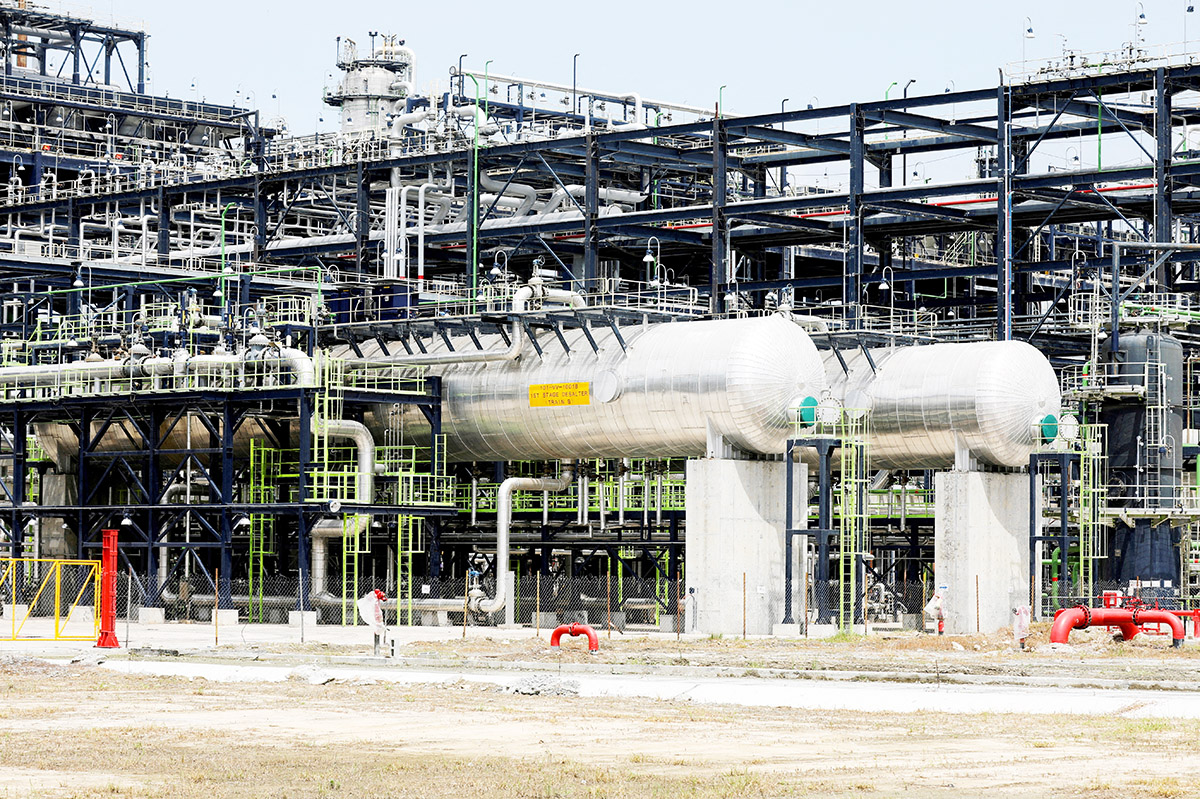
Data from the Nigerian Midstream and Downstream Petroleum Regulatory Authority (NMDPRA) showed that Dangote Petroleum Refinery & Petrochemicals exported approximately 1.66 billion litres of refined petroleum products in April 2026 amid rising geopolitical tensions involving the United States and Iran. The exports included about 513 million litres of Premium Motor Spirit, 534 million litres of diesel and 615 million litres of aviation fuel from the 650,000-barrel-per-day Lekki refinery. The development coincided with growing uncertainty around the Strait of Hormuz, a critical global energy shipping corridor, as fears of supply disruption intensified global demand for alternative refined fuel suppliers.
DECISION HIGHLIGHT
The export surge signals Nigeria’s accelerating transition from a structurally import-dependent fuel market toward an emerging regional refining and petroleum export hub.
DECISION MEMO
Dangote Refinery’s April export performance illustrates how geopolitical instability is reshaping global refined fuel trade flows while simultaneously strengthening the commercial relevance of Africa-based refining infrastructure.
The refinery’s emergence as a major exporter of petrol, diesel and aviation fuel indicates that Nigeria may be entering a new phase within the downstream petroleum value chain, where refined product exports increasingly contribute to foreign exchange earnings alongside crude oil exports.
The timing is strategically significant. Rising tensions between the United States and Iran, coupled with concerns around the Strait of Hormuz, have tightened global fuel supply expectations and increased demand for alternative export sources outside the Middle East.
Industry analysts indicated that the instability had boosted demand for refined products from producers such as Nigeria, particularly across Europe, Africa and parts of Asia seeking more secure supply channels.
The scale of aviation fuel exports is particularly notable. Dangote exported 615 million litres of jet fuel in April despite domestic concerns over rising aviation fuel costs and threats by Nigerian airline operators to suspend operations due to pricing pressures.
The refinery’s production profile also reveals a structural imbalance between export economics and domestic energy affordability. While domestic supply obligations remained substantial, export volumes for diesel and aviation fuel significantly exceeded local consumption levels, reflecting stronger international pricing incentives.
According to the NMDPRA, local refineries achieved average capacity utilisation of 99.12 percent in April, with Dangote operating at “100 percent capacity utilisation for most of the days in April.”
The data additionally reinforces Dangote Refinery’s dominant position within Nigeria’s refining ecosystem. It remains the country’s only large-scale refinery capable of simultaneously supporting domestic supply and export operations at meaningful commercial scale.
The refinery’s growing export capacity also strengthens broader government ambitions around energy security, trade balance improvement and foreign exchange diversification. However, the continuation of petrol import licensing despite rising local output highlights unresolved policy tensions around market liberalisation, supply assurance and downstream competition.
The development may further strengthen Africa’s strategic importance within global fuel markets if Middle East instability persists and international buyers increasingly diversify refined product sourcing arrangements.
DATA BOX
- Total refined product exports in April 2026: 1.66 billion litres
- Petrol exports: 513 million litres
- Diesel exports: 534 million litres
- Aviation fuel exports: 615 million litres
- Average daily export volume: 55.4 million litres
- Refinery capacity: 650,000 barrels per day
- Local refinery average utilisation in April: 99.12 percent
- Dangote operational utilisation: 100 percent for most days in April
- Crude supplied to domestic refineries in April: 18.37 million barrels
- March crude supply comparison: 13.11 million barrels
- Daily petrol production: 53.6 million litres
- Daily local petrol supply: 40.7 million litres
- Daily petrol exports: 17.1 million litres
- Daily diesel exports: 17.8 million litres
- Daily domestic diesel supply: 8 million litres
- Daily aviation fuel exports: 20.5 million litres
- Daily aviation fuel domestic supply: 2.6 million litres
- Average petrol consumption in Nigeria: 51.1 million litres daily
- Average diesel consumption: 17.3 million litres daily
- Average aviation fuel consumption: 2.5 million litres daily
- Average crude oil price in April: $120.55 per barrel
- Gasoline price: $1,074.97 per metric tonne
WHO WINS / WHO LOSES
Winners:
- Nigeria’s foreign exchange earnings position
- International buyers seeking alternative fuel supply sources
- Dangote Refinery and associated logistics operators
- African energy trade integration prospects
Losers:
- Traditional Middle East fuel supply dominance under geopolitical strain
- Domestic consumers facing elevated fuel prices
- Import-dependent downstream operators losing market relevance
POLICY SIGNALS
The export growth signals increasing viability of Nigeria’s long-term refining ambitions and reinforces policy momentum around local refining capacity expansion. However, continued petrol import licensing despite rising domestic output suggests unresolved regulatory balancing between market competition, supply assurance and pricing stability.
INVESTOR SIGNAL
The refinery’s export performance strengthens investor perceptions around the commercial scalability of large-scale African refining infrastructure. Rising geopolitical instability may also improve medium-term profitability prospects for strategically positioned downstream energy assets outside traditional Middle East supply corridors.
RISK RADAR
Key risks include geopolitical volatility, crude supply disruptions, export market pricing fluctuations, foreign exchange instability and unresolved domestic pricing tensions. Sustained export prioritisation amid elevated local fuel costs may also intensify political and consumer pressure around domestic energy affordability and supply allocation.
Discover more from StakeBridge Media
Subscribe to get the latest posts sent to your email.