

By Hannah Yemisi
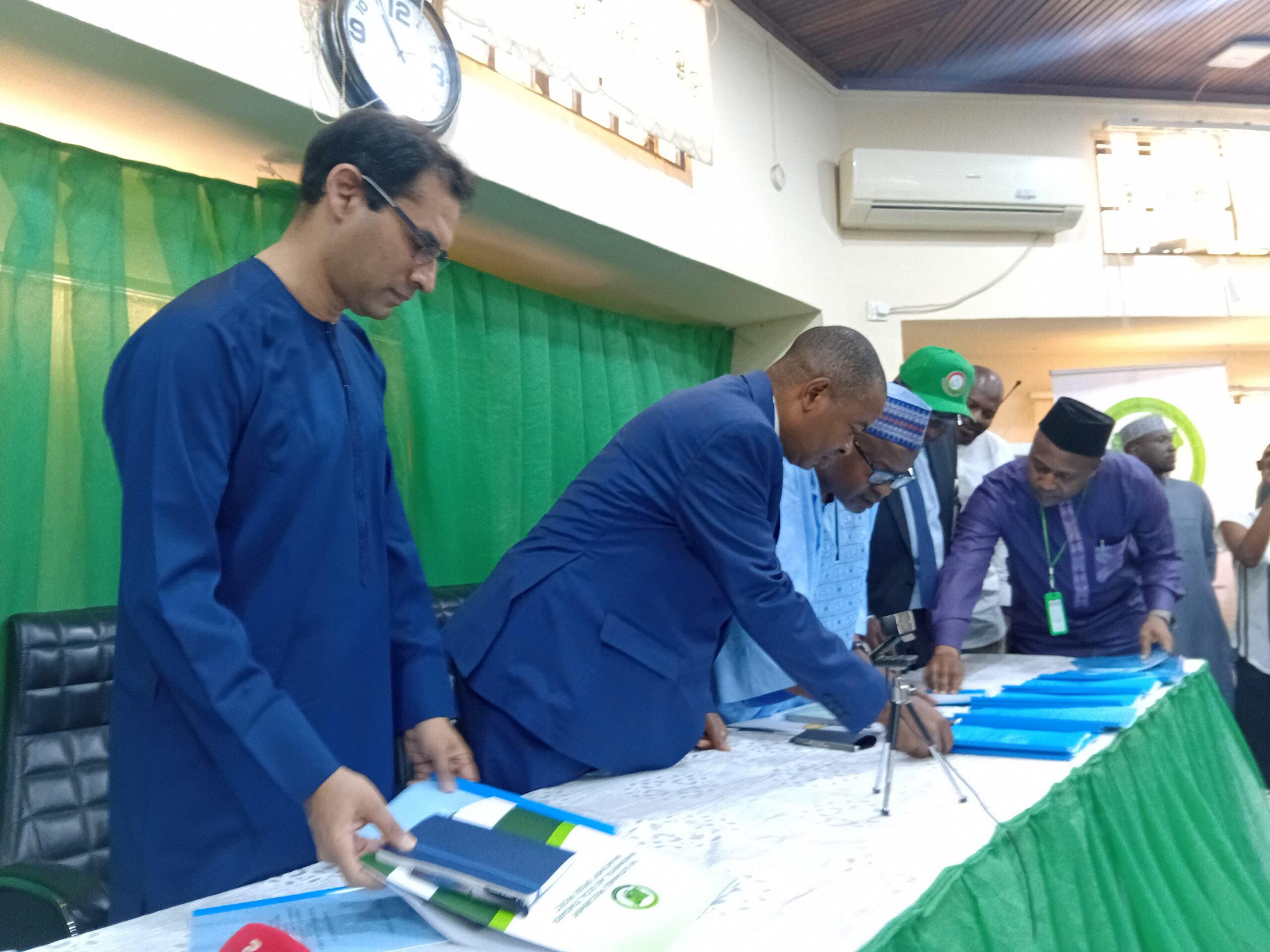
The National Universities Commission (NUC) and the World Bank recently signed performance contracts in Abuja for an additional $65 million financing phase under the Sustainable Procurement, Environmental and Social Standards Enhancement programme, with the initiative expected to benefit at least 24,000 Nigerians. The programme, originally launched in 2021 with $80 million funding, is designed to strengthen institutional and human capacity in procurement, environmental governance and social standards across Nigeria’s public and private sectors. Executive Secretary of the NUC, Abdullahi Ribadu, stated that the expanded financing would deepen professional training, postgraduate education and institutional development through six regional centres of excellence established across Nigeria’s geopolitical zones.
DECISION HIGHLIGHT
The expanded financing signals increasing emphasis on governance capacity, procurement reform and institutional competence as strategic foundations for public sector efficiency and development delivery.
DECISION MEMO
The additional $65 million financing under the Sustainable Procurement, Environmental and Social Standards Enhancement initiative reflects growing recognition that Nigeria’s governance challenges are increasingly linked not only to policy design, but also to weak institutional execution capacity.
The programme’s concentration on procurement systems, environmental management and social safeguards reveals the extent to which development effectiveness is now being tied to technical competence, compliance standards and administrative professionalism.
Ribadu stated that the initiative was introduced to address shortages of skilled professionals within “procurement processes, environmental management, and social safeguards.”
According to him, “with the support of the World Bank and under the coordination of the NUC, six centres of excellence were established across the six geopolitical zones to provide sustainable capacity building in these critical sectors.”
The regional structure of the programme also reflects an attempt to decentralise professional training access while strengthening long-term institutional sustainability across multiple regions.
The emphasis on doctoral training, foreign student attraction and international exchange programmes suggests the initiative is evolving beyond short-term technical certification into a broader institutional competitiveness strategy within higher education and governance systems.
Ribadu disclosed that the programme aims to produce “at least 60 PhD graduates” while also attracting “60 foreign students” under the new funding phase.
The Bureau of Public Procurement’s involvement additionally underscores the strategic linkage between procurement reform and broader fiscal governance objectives.
Director-General (DG) of the Bureau of Public Procurement, Adebowale Adedokun, stated that the initiative had already trained “more than 2,700 officers from both the public and private sectors.”
He further explained that the next phase would support implementation of Nigeria’s electronic procurement system while expanding online training opportunities for policymakers and small businesses handling public funds.
The World Bank’s continued support also highlights increasing international emphasis on governance systems as critical determinants of development outcomes rather than purely financial allocations.
World Bank Task Team Leader for the programme, Ishtiak Siddique, stated that the original phase had already trained “more than 40,000 participants,” with “over 4,000 persons” receiving certification in procurement, environmental and social standards.
The programme’s expansion therefore reflects a broader institutional reality, that development financing increasingly depends on whether states possess the technical capacity to manage procurement integrity, environmental compliance and social governance standards effectively.
DATA BOX
- Programme: Sustainable Procurement, Environmental and Social Standards Enhancement
- Coordinating institution: National Universities Commission
- Funding partner: World Bank
- Additional financing approved: $65 million
- Original programme financing: $80 million
- Total programme funding: $145 million
- Expected beneficiaries under new phase: at least 24,000 Nigerians
- Centres of excellence established: 6
- Geographic spread: Nigeria’s six geopolitical zones
- Planned PhD graduates under new phase: 60
- Targeted foreign students: 60
- Officers already trained under programme: more than 2,700
- Participants trained under original phase: more than 40,000
- Certified participants: over 4,000
- Key sectors targeted:
- Procurement
- Environmental management
- Social safeguards
- Public sector governance
- Strategic additions in new phase:
- Electronic procurement systems
- Staff internships
- Student exchange programmes
- Online training systems
WHO WINS / WHO LOSES
Winners:
- Public sector institutions requiring technical governance capacity
- Universities participating as centres of excellence
- Professionals in procurement and environmental governance fields
- SMEs and policymakers benefiting from digital procurement training
Losers:
- Institutions operating with weak procurement standards
- Public systems lacking technical governance competence
- Organisations resistant to digital compliance and accountability frameworks
POLICY SIGNALS
The programme expansion signals increasing institutional emphasis on procurement integrity, environmental governance and technical capacity-building as central components of Nigeria’s development architecture. It also reflects stronger alignment between higher education systems and public sector reform priorities.
INVESTOR SIGNAL
Strengthening procurement and governance standards may improve investor confidence around institutional accountability, project execution and regulatory compliance. The expansion of e-procurement systems could also improve transparency and reduce transaction inefficiencies across public sector contracting.
RISK RADAR
Key risks include weak implementation capacity, uneven institutional coordination, funding sustainability concerns and limited absorption of trained professionals into productive governance systems. Long-term effectiveness will depend on whether technical training translates into measurable improvements in procurement integrity, public sector efficiency and development outcomes.
Discover more from StakeBridge Media
Subscribe to get the latest posts sent to your email.