

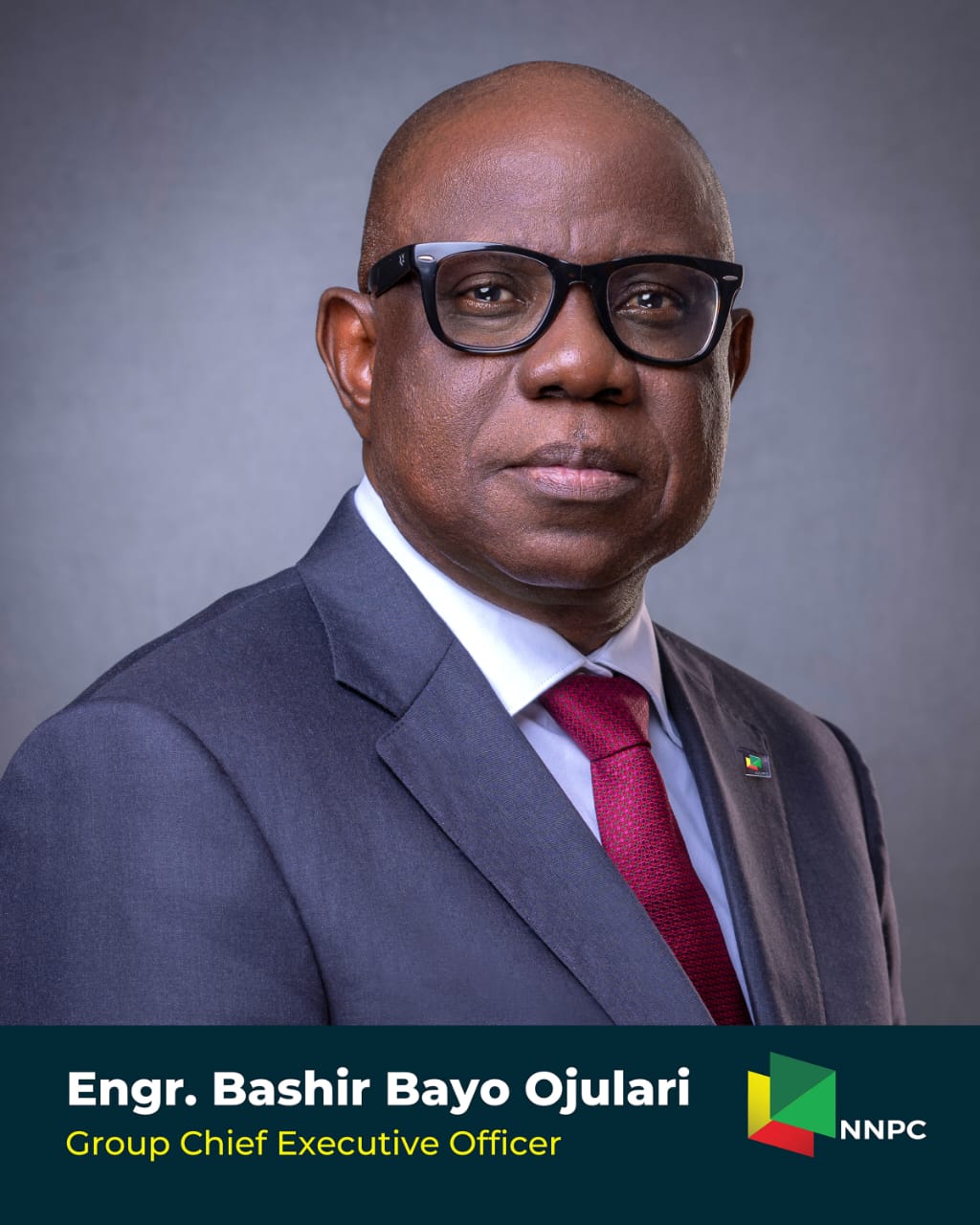
At yet another global energy gathering, we heard Africa speak with clarity. The difference this time was that the message sounded less diplomatic and more diagnostic. The continent’s problem is no longer resource scarcity, it is coordination failure.
When NNPC Ltd Group Chief Executive Officer, Bashir Bayo Ojulari, argued in London that Africa must align infrastructure, policy and capital to secure its energy future, we were effectively being told what markets have priced for decades. We do not lack hydrocarbons, gas reserves, sunlight, or wind corridors. We lack systems.
Our persistent mistake in African energy strategy has been the belief that national sovereignty equals national sufficiency. Each country wants a refinery, a pipeline network, a pricing regime and an export strategy designed around domestic political cycles. The result is fragmentation so severe that we behave like 54 isolated energy islands sitting on a shared geological basin.
The economic consequence is predictable. Investors price political risk, regulatory divergence, transit uncertainty and contract enforceability into projects before drilling even begins. By the time financing closes, African energy is already structurally expensive, not because geology is complex but because governance is.
Ojulari’s emphasis on shared infrastructure therefore goes beyond engineering. It is fundamentally about cost of capital. A pipeline that crosses five jurisdictions without harmonised transit rules is not infrastructure, it is a legal exposure. Financing institutions understand this, which explains why African projects often reach memoranda of understanding but rarely financial close.
The Nigeria–Morocco Gas Pipeline and the expansion of the West African Gas Pipeline illustrate the paradox. Technically viable, commercially relevant, geopolitically beneficial, yet perpetually slow. The bottleneck has never been steel in the ground but alignment above ground. Tariffs, guarantees, currency convertibility, dispute resolution and security responsibilities remain negotiated repeatedly rather than standardised once.
Energy markets reward predictability more than potential. Europe buys gas not only because suppliers have molecules but because they have rules. We have molecules without rules coherence. That is why we export raw energy while importing refined energy products at a premium. The inefficiency is institutional, not geological.
The call for harmonised pricing frameworks, transit protocols and technical regulations therefore targets the core issue. When regulatory regimes differ widely across borders, capital does not disappear, it migrates. Investors simply fund jurisdictions where project timelines can be modelled with confidence. We then interpret this migration as a global capital shortage instead of a credibility shortage.
The Petroleum Industry Act in Nigeria is frequently cited as reform. Its true value is not domestic improvement but regional demonstration. It signals that stable rules unlock dormant investment appetite. The logical next step is continental replication, otherwise we reset investor confidence independently and repeatedly, a costly redundancy.
The proposal for joint investment platforms among National Oil Companies is equally pragmatic. Individual African NOCs negotiating separately against global capital pools resemble small buyers facing wholesale markets. Collective balance sheets change negotiating power, reduce financing premiums and transform projects from sovereign risk into regional assets.
Gas, as Ojulari suggested, sits at the centre of this strategy. For us, gas is not merely a transition fuel but an industrialisation fuel. Power stability determines manufacturing viability, fertiliser production determines agricultural productivity, and both determine economic diversification. Without gas integration, we debate energy transition while lacking energy foundation.
The climate dimension further complicates matters. We contribute marginally to global emissions yet face pressure to decarbonise without industrialising. The only defensible pathway is coordinated development, producing energy efficiently while lowering carbon intensity gradually. Fragmented systems cannot achieve this balance because scale efficiencies never materialise.
Regional diplomacy therefore becomes energy policy by another name. Cross border infrastructure requires security cooperation, fiscal coordination and long-term political continuity. Elections operate on four-year cycles, pipelines operate on forty-year cycles. Where political horizons remain short, infrastructure horizons collapse.
The lesson from Ojulari’s remarks is uncomfortable but necessary. Our energy challenge is no longer technical competence or resource availability. It is institutional courage. We must surrender a measure of national control to gain continental stability. Markets already demand it, capital already prices it, and industrialisation depends on it.
Until infrastructure is shared, regulation harmonised and investment pooled, we will continue to attend global energy conferences as a supplier of potential rather than a producer of reliability. Energy security will remain a speech, not a system.
Discover more from StakeBridge Media
Subscribe to get the latest posts sent to your email.