

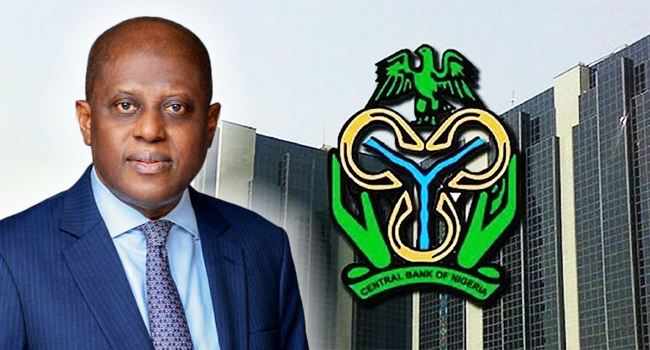
The Central Bank of Nigeria (CBN) has upgraded the licences of selected FinTechs and microfinance banks operating nationwide from limited or tiered authorisations to national status, formally acknowledging the scale and reach these institutions have already assumed. The disclosure was made by Mr. Yemi Solaja, Director of the Other Financial Institutions Supervision Department at the apex bank, during the annual conference of the Committee of Heads of Banks’ Operations (CHBOs) held in Lagos.
DECISION HIGHLIGHT
Decision authority: Central Bank of Nigeria (CBN)
Announcement channel: CHBOs Annual Conference, Lagos
Affected institutions: Selected FinTechs and MFBs with nationwide operations
Licence shift: From unit, tiered, or state frameworks to national status
Regulatory consequence: Higher capital thresholds, stricter supervision, broader compliance scope
Strategic aim: Align licensing structure with operational footprint and systemic relevance
DECISION MEMO
For years, Nigeria’s digital finance ecosystem has operated under an open contradiction. Institutions licensed for narrow geographies or limited balance-sheet exposure have, in practice, built nationwide agent networks, processed millions of transactions daily, and embedded themselves deeply in informal and retail commerce.
The CBN has now chosen to close that gap. Explaining the rationale, Mr. Solaja said that the regulator observed “a growing mismatch between the limited licences held by some FinTechs and their actual nationwide presence.” He was unequivocal about the scale of the issue, noting that “institutions like Moniepoint MFB, Opay, Kuda Bank and others have already been upgraded.”
“In reality, their activities are now all over the country,” he added.
The upgrade is less an endorsement of past behaviour than a regulatory correction. The CBN is effectively signalling that regulatory leniency cannot persist where institutions have become systemically relevant. As digital platforms moved faster than regulation, the risk profile of Nigeria’s financial system changed quietly but materially.
Mr. Solaja anchored the decision in consumer protection and accountability, particularly for informal users who dominate FinTech customer bases. “Most of their customers are informal people. They need to know where to report to when there is a problem,” he said.
That concern explains why the regulator is insisting that national FinTechs and MFBs maintain physical presence in key locations, despite their digital-first models. In the CBN’s view, digital scale without physical accountability creates blind spots in dispute resolution, agent supervision, and consumer trust.
Crucially, the upgrade is not automatic. Mr. Solaja stressed that national licences are only granted after institutions meet defined regulatory benchmarks, reinforcing that this is a tightening of standards rather than a blanket concession. The CBN is no longer willing to regulate digital banks based on where they started, only on what they have become.
DATA BOX
National MFB minimum capital: N5 billion
Previous national threshold: N2 billion
State MFB capital requirement: N1 billion
Unit MFB Tier I: N200 million
Unit MFB Tier II: N50 million
2024 enforcement action: N1 billion KYC-related penalties imposed on Moniepoint and Opay
Regulatory reference: CBN Customer Due Diligence and KYC Regulations 2023
WHO WINS / WHO LOSES
Large, well-capitalised FinTechs capable of meeting national capital and compliance standards gain legitimacy, regulatory clarity, and improved trust with customers and partners. They also secure long-term operating certainty.
Smaller or aggressively scaling players without commensurate governance depth lose regulatory arbitrage advantages. The era of nationwide operations under limited licences is effectively over.
POLICY SIGNALS
The CBN is transitioning from permissive innovation oversight to formal system management. Financial inclusion remains a priority, but it must now operate within a tighter supervisory perimeter. Scale, reach, and customer volume now trigger higher regulatory expectations automatically.
The insistence on collaboration between commercial banks and FinTechs, alongside “digital-first” operations, suggests the regulator views FinTechs as instruments for reducing cash outside the banking system, but only under disciplined control.
INVESTOR SIGNAL
For investors, the licence upgrades reduce regulatory ambiguity. While compliance costs increase, policy clarity improves long-term valuation confidence. National status reframes leading FinTechs as core financial infrastructure rather than lightly regulated technology intermediaries.
RISK RADAR
Short-term risks include capital-raising pressure, operational restructuring, and heightened regulatory scrutiny. Institutions that fail post-upgrade compliance tests face reputational and enforcement risks. For the system, the larger risk lies in inconsistent enforcement, which could undermine the credibility of the shift.
Overall, the CBN’s move signals the end of regulatory fiction. Nigeria’s leading digital banks are no longer emerging disruptors operating at the margins. They are national institutions, and the regulator is now insisting they carry the full weight of that designation.
Discover more from StakeBridge Media
Subscribe to get the latest posts sent to your email.