

By Olumide Johnson
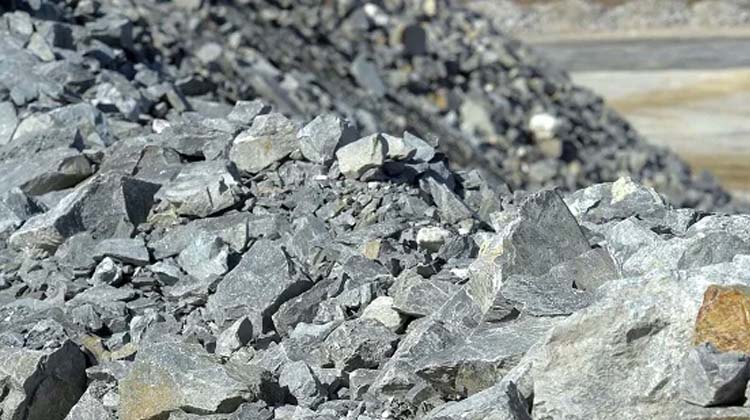
Lithium investment in Nigeria is gaining global attention as Chariot Resources Limited, an Australian-listed mineral exploration company, has acquired interests in a portfolio of lithium exploration and mining licences across Kwara and Oyo States.
The move signals a structured foreign entry into Nigeria’s critical minerals sector, anchored on rising global demand for battery inputs.
The transaction, advised by Aluko & Oyebode, covers project areas in Fonlo, Gbugbu, Saki, and Iganna, forming one of the largest known lithium portfolios in Nigeria.
DECISION HIGHLIGHT
The acquisition represents a strategic entry into Nigeria’s lithium sector by a foreign-listed company, backed by structured legal, regulatory, and financing frameworks.
Ajibola Asolo, Partner at Aluko & Oyebode, described the move as “the first entry of an Australian-listed company into Nigeria’s high-potential lithium sector.”
DECISION MEMO
The transaction signals an inflection point in Nigeria’s mining sector, where critical minerals are beginning to attract structured international investment rather than speculative exploration interest.
Chariot Resources Limited’s entry reflects a convergence of global demand dynamics and domestic resource potential. Lithium, as a core input in battery storage and electric vehicle technologies, has become a strategic mineral within the global energy transition. Nigeria’s largely untapped reserves position it as a potential supplier within this evolving value chain.
Asolo’s observation underscores the significance of market entry by a listed foreign entity. This introduces a higher standard of governance, technical capability, and capital discipline into the sector, potentially reshaping operational benchmarks.
Cephas Caleb, Partner at Aluko & Oyebode, noted that “unlocking Nigeria’s largely untapped lithium resources represents a strategic priority,” linking the transaction to broader continental ambitions in critical minerals development.
The structure of the deal, involving due diligence, title transfer, and investment protection mechanisms, indicates a maturing regulatory and legal environment capable of supporting complex mining transactions.
However, the long-term impact will depend on the transition from licence acquisition to actual resource development, where infrastructure, regulatory stability, and community engagement become determining factors.
DATA BOX
- Mineral focus: lithium
- Project locations: Fonlo, Gbugbu, Saki, Iganna
- States: Kwara and Oyo
- Investor origin: Australia (ASX-listed company)
WHO WINS / WHO LOSES
Nigeria gains increased visibility as a destination for critical minerals investment.
Foreign investors benefit from early access to underdeveloped lithium assets with potential long-term value.
Local economies may gain from future project development, employment, and infrastructure investment.
Operators unable to meet technical and financial thresholds may face displacement as the sector formalises.
POLICY SIGNALS
The transaction signals growing alignment between Nigeria’s mining policy framework and global critical minerals demand.
It also reflects increasing openness to foreign capital participation in resource development under structured regulatory oversight.
INVESTOR SIGNAL
Nigeria’s lithium sector is emerging as a viable investment frontier, particularly for firms with technical expertise and long-term capital.
Early-stage entry positions investors to benefit from future value appreciation as global demand for battery minerals expands.
RISK RADAR
Execution risk remains high, particularly in moving from exploration to commercial production.
Regulatory and policy consistency will be critical in sustaining investor confidence.
Infrastructure gaps and community-related challenges may affect project timelines and cost structures.
Discover more from StakeBridge Media
Subscribe to get the latest posts sent to your email.