

By Kingsley Ani
South Africa’s headline inflation moderated to 3.5 percent in January from 3.6 percent in December, according to Statistics South Africa, reinforcing market expectations that the central bank may begin easing when policymakers meet in March.
The deceleration brings inflation closer to the South African Reserve Bank’s 3 percent objective and signals improving price stability, although underlying food components remain uneven.
DECISION HIGHLIGHT
The inflation print materially improves the policy optics for a rate cut, but not decisively enough to eliminate caution.
While consumer prices are now trending toward the lower bound of the target range, the Monetary Policy Committee previously held the benchmark rate at 6.75 percent, citing risks from global uncertainty and potential pressure from food and electricity costs.
The policy question is shifting from whether inflation is falling to whether it is falling sustainably.
DECISION MEMO
The January inflation outcome strengthens the technical case for monetary easing in South Africa, but the composition of price movements complicates the narrative. Headline disinflation is being driven primarily by softness in staple categories, while protein inflation is accelerating sharply.
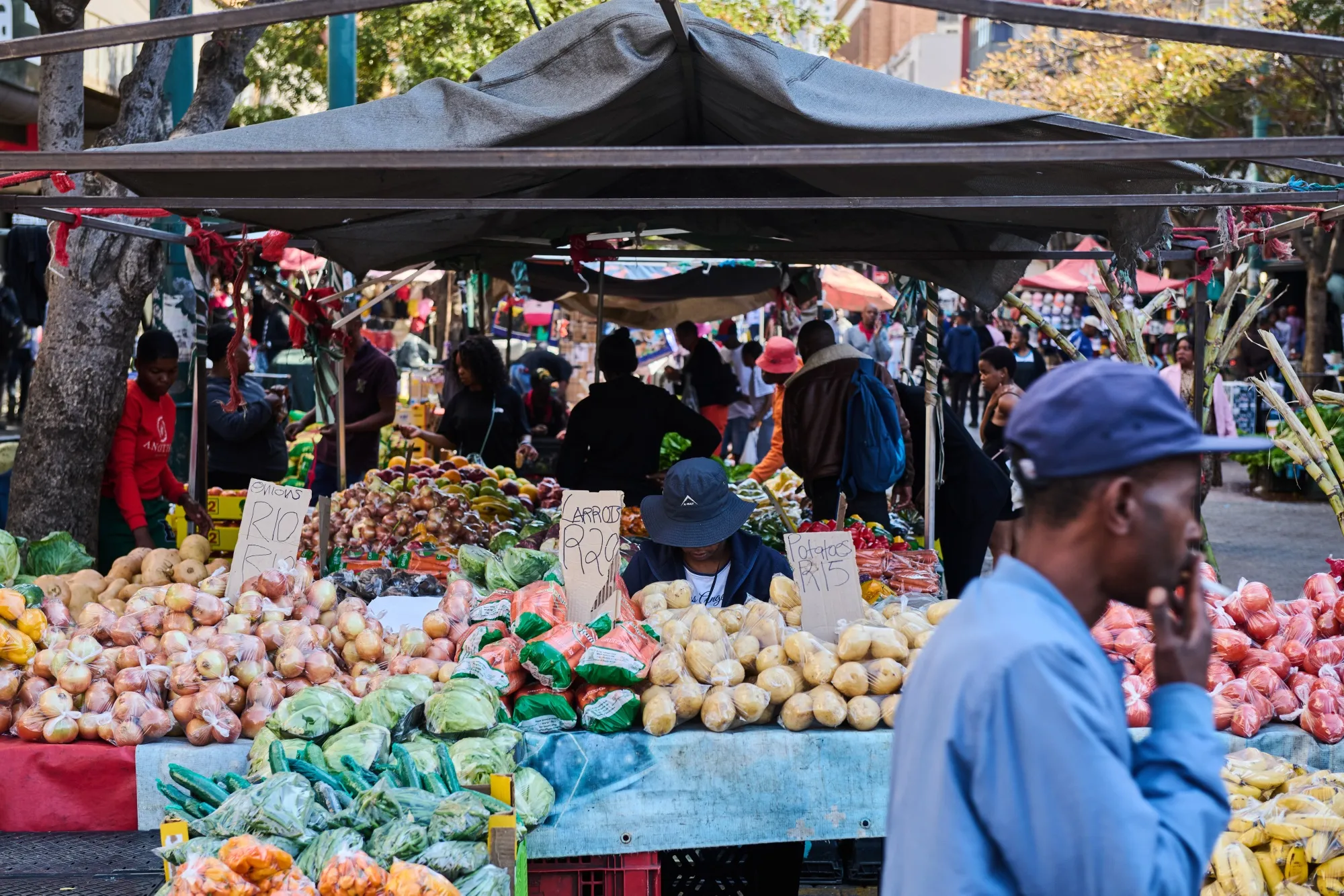
On the surface, the trajectory is favourable. Cereals, dairy and edible oils are exerting downward pressure. White rice has recorded eleven consecutive months of deflation, and maize meal inflation has slowed markedly. Milk, dairy products and eggs remain in negative territory. These trends indicate that supply-side improvements in key staples are working their way through the consumer basket.
However, the counterweight is significant. Meat inflation surged to 13.5 percent, the highest since December 2017, with beef steak up 31.2 percent and beef mince up 28.0 percent year on year. This divergence matters because protein prices carry disproportionate political and household sensitivity.
The Monetary Policy Committee therefore faces a classic late-cycle dilemma. Headline inflation is converging toward target, but underlying food volatility and electricity risk could easily reverse the trend. The Bank’s earlier decision to keep the policy rate at 6.75 percent reflects this caution bias.
The March 26 meeting will likely hinge on whether policymakers interpret January’s data as the start of a durable disinflation path or merely a favourable but fragile print. The central bank’s own 2026 inflation forecast of 3.3 percent suggests it is preparing the analytical ground for gradual easing, not an aggressive pivot.
Regionally, the contrast with Nigeria is instructive. Nigeria’s inflation only edged down marginally to 15.10 percent, while its policy rate remains highly restrictive at 27 percent. The divergence underscores different stages of the inflation cycle across Africa’s major economies.
For South Africa, the window for calibrated easing is opening. Whether policymakers step through it in March will depend on their tolerance for residual food and energy risks.
DATA BOX
- Headline inflation (Jan): 3.5 percent
- Previous month: 3.6 percent
- Food inflation: 4.4 percent
- Meat inflation: 13.5 percent
- White rice deflation: 11.0 percent
- Policy rate (current): 6.75 percent
- Central bank 2026 inflation forecast: 3.3 percent
- Nigeria inflation (Jan): 15.10 percent
- Nigeria policy rate: 27 percent
WHO WINS / WHO LOSES
Potential winners include interest rate sensitive sectors such as housing, retail credit and consumer durables if easing begins. Indebted households would also benefit from lower borrowing costs.
Losers could include savers and fixed income investors exposed to reinvestment risk if yields compress. Livestock producers may continue to face cost pressures that keep meat inflation elevated.
POLICY SIGNALS
Three signals are evident. First, South Africa is approaching the lower bound of its inflation target band, creating room for policy normalisation. Second, the central bank remains structurally cautious, indicating any easing cycle will likely be shallow and data dependent. Third, food and electricity remain the dominant volatility channels policymakers are monitoring.
The cautious hold at the last meeting suggests the Bank is prioritising credibility over speed.
INVESTOR SIGNAL
The January print improves the probability of a near-term rate cut, which could support domestic bonds and interest rate sensitive equities. However, the uneven food inflation profile implies the easing cycle, if it begins, will be gradual rather than front loaded.
Cross market investors will note the growing policy divergence between South Africa and higher inflation jurisdictions such as Nigeria. This divergence may influence capital allocation within African fixed income markets over the next two to three quarters.
RISK RADAR
Primary risks remain food price volatility, electricity tariff adjustments and external shocks. The spike in meat inflation is an early warning that disinflation breadth is still incomplete.
There is also sequencing risk. If the central bank eases prematurely and food or energy prices rebound, policy credibility could be tested. Conversely, excessive caution could prolong tight financial conditions unnecessarily.
For now, the data tilts toward easing, but not decisively enough to remove policy hesitation.
Discover more from StakeBridge Media
Subscribe to get the latest posts sent to your email.