

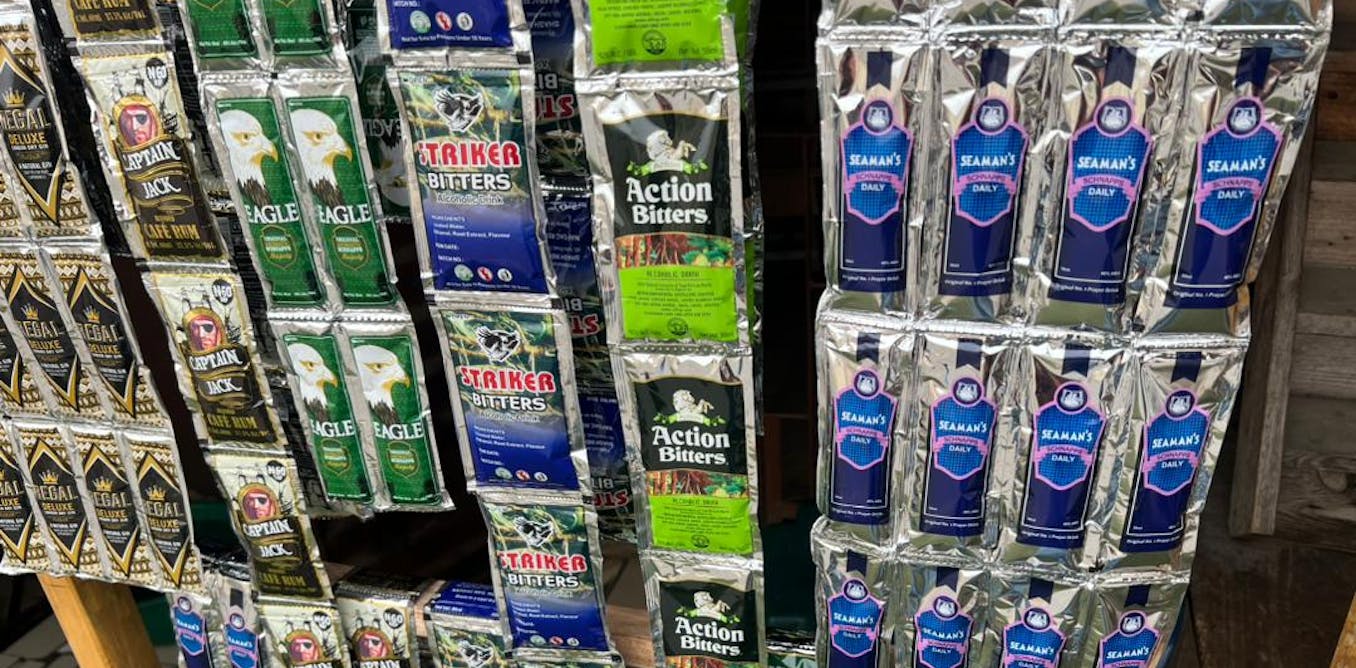
Investor relations (IR) can quietly shape whether the policy to ban alcohol sachets, small bottles by Professor Mojisola Adeyeye-led NAFDAC lands well or becomes another contested regulation. Even though IR is usually associated with capital markets and fund raising, its principles apply anywhere stakeholders must be aligned, informed, and persuaded with credible data. Below, Enam Obiosio tells how IR can support the success of the ban.
Build an evidence based narrative that shows the economic logic of compliance
Manufacturers, distributors, investors, banks, and insurers are worried about potential losses. An IR driven communication strategy can consolidate data on public health costs, long term productivity losses, social risk factors, and reputational liabilities associated with sachet alcohol. Once the economic case is laid out in a clear, data backed format, companies and financiers are more likely to see compliance as value protecting rather than value destroying.
Help industry players explain their transition plans to the market
Firms affected by the ban will need to tell shareholders, lenders, and the public how they are adjusting their product lines. IR teams can craft transition notes, investor updates, operational roadmaps, and quarterly disclosures that show how each company is managing cost, retooling, and shifting to compliant packaging. A well communicated shift reduces panic, stabilizes valuation, and gives regulators confidence that the industry is cooperating.
Reduce misinformation by coordinating policy-aligned messaging
A ban of this scale attracts rumours, resistance, and political manipulation. IR professionals can create unified fact sheets, policy briefs, and stakeholder FAQs that mirror NAFDAC’s explanations while addressing business concerns. When companies communicate coherently, the space for misinformation shrinks and public support grows.
Strengthen engagement with capital providers who are sensitive to social risk
Banks, private equity firms, and ethical investors are increasingly assessing social impact when allocating capital. Sachet alcohol has been linked to youth addiction, road accidents, and domestic violence. IR units can engage these capital providers with clearer ESG-aligned communication that positions compliance as a long term risk reduction move. This helps companies retain or attract capital even in the face of operational changes.
Prepare manufacturers for reputation management
Noncompliance will attract penalties and public backlash. IR offers the structures for crisis communication, reputation protection, and stakeholder assurance. Companies that communicate early and clearly about their compliance pathway will face less reputational damage and become models for others.
Support NAFDAC’s sensitisation drive with industry-level credibility tools
Regulatory campaigns are stronger when supported by industry players. IR teams can produce community engagement materials, explainer visuals, social impact reports, and youth-centred communication that amplify NAFDAC’s message. Because IR outputs are usually more polished and data focused, they can raise the credibility of the entire sensitisation campaign.
Align boardrooms with the national security dimension of the ban
NAFDAC has linked sachet alcohol misuse to school dropouts, domestic violence, road accidents, and even national security risks. IR can help translate these social risks into board level decision frameworks. When boards see the security and long term economic implications clearly, they are more willing to approve compliance budgets.
Help companies frame the ban as a shift toward higher value markets
Sachet alcohol is a low margin, high risk product. IR teams can craft long term investor stories around premiumisation, healthier product lines, safer packaging, and expansion into export compliant beverages. This turns a regulatory pressure point into an innovation opportunity.
Track sentiment and provide feedback loops to NAFDAC
Investor relations units monitor stakeholder sentiment as part of their work. They can provide regulators with periodic insights on investor concerns, manufacturer readiness, bottlenecks, and potential areas where policy clarification is needed. This two way feedback helps NAFDAC implement the ban more smoothly.
In summary, while NAFDAC provides the enforcement power, IR provides the persuasion power. The success of the policy depends not only on raids and task forces but also on how well companies communicate, how well stakeholders understand the transition, and how effectively the economic and social logic of the ban is framed. That is the space where IR makes a real difference.
Discover more from StakeBridge Media
Subscribe to get the latest posts sent to your email.