

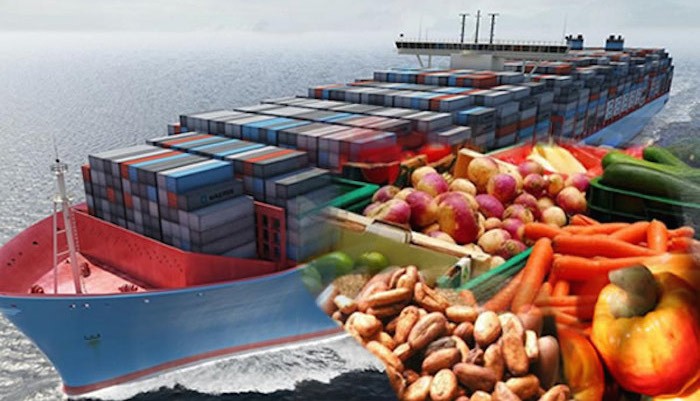
Nigeria’s non-oil sector reached a historic high of $6.1 billion in 2025, marking the strongest performance since the Nigerian Export Promotion Council (NEPC) was established. This represents an 11.5 percent increase over the $5.46 billion recorded in 2024, reflecting not just growth in volume but a structural shift toward formalized trade channels and diversified global markets. NEPC Executive Director, Mrs Nonye Ayeni, disclosed the figures in Abuja, highlighting that this milestone highlights the sector’s growing resilience and strategic contribution to Nigeria’s economy.
DECISION HIGHLIGHT
Decision Context:
Nigeria has long relied on oil revenues, while non-oil exports were often constrained by informal trade, weak value addition, and limited market penetration.
Strategic Choice:
Expand formal trade channels, diversify export products, and reach broader international markets to strengthen economic resilience.
Execution Model:
Collaborate with pre-shipment inspection agencies, the Central Bank, and the National Bureau of Statistics to formalize exports, while promoting value addition across agricultural, industrial, and mineral products.
Strategic Objective:
Boost foreign exchange earnings, reduce reliance on oil, and enhance Nigeria’s competitive presence in global non-oil markets.
DECISION MEMO
Nigeria’s record $6.1 billion non-oil exports reflect a combination of volume growth and improved formalization of trade. Total export volume reached 8.02 million metric tonnes, a 10 percent increase from 7.29 million tonnes in 2024. NEPC reported exports of 281 non-oil products to 120 countries, ranging from agricultural commodities and processed goods to industrial inputs and solid minerals.
Top destination countries by value included the Netherlands (17.53 percent), Brazil (10.35 percent), and India (7.63 percent). Exports to the Netherlands surged 32.46 percent, driven by cocoa beans, cocoa butter, and sesame seeds, while shipments to Brazil grew 19.07 percent. Within Africa, Nigeria exported $271.3 million in non-oil products to 11 ECOWAS countries, though this represented a 13 percent decline due to Burkina Faso, Mali, and Niger exiting the bloc.
Key export commodities included cocoa and derivatives, cashew, sesame seed, gold dore, aluminium ingots, copper ingots, urea, soya beans, and rubber. Ayeni noted that a significant volume of trade still moves informally across borders, pointing to opportunities for further formalization and revenue capture.
DATA BOX
• Non-oil export value (2025): $6.1 billion
• Growth vs 2024: 11.5%
• Export volume (2025): 8.02 million metric tonnes
• Product categories: Agriculture, processed/semi-processed goods, industrial inputs, solid minerals
• Export destinations: 120 countries
• Top markets by value: Netherlands (17.53%), Brazil (10.35%), India (7.63%)
Source: NEPC
WHO WINS / WHO LOSES
Who Wins:
• Nigeria, through diversified foreign exchange earnings and economic resilience
• Export-focused businesses and farmers
• International buyers accessing Nigerian non-oil products
Who Loses:
• Informal traders as formal channels expand
• Countries dependent on Nigerian imports facing higher competition
POLICY SIGNALS
The performance signals government commitment to economic diversification, trade formalization, and value addition in non-oil sectors.
INVESTOR SIGNAL
Rising non-oil exports point to growth opportunities in agro-processing, industrial commodities, and mineral sectors, with improved competitiveness and structured market access.
RISK RADAR
• Informal trade still limiting full revenue capture
• Volatility in global commodity prices
• Regional trade disruptions and geopolitical risks
• Infrastructure and logistics constraints affecting delivery
Nigeria’s $6.1 billion non-oil export achievement is more than a numerical record. It signals the emergence of a resilient, diversified, and strategically positioned export economy, capable of complementing oil revenues while strengthening Nigeria’s influence in global trade networks.
Discover more from StakeBridge Media
Subscribe to get the latest posts sent to your email.