

- Nigeria is courting patient capital, but long-term inflows will hinge on inflation control, FX stability, and sustained monetary credibility rather than intent alone
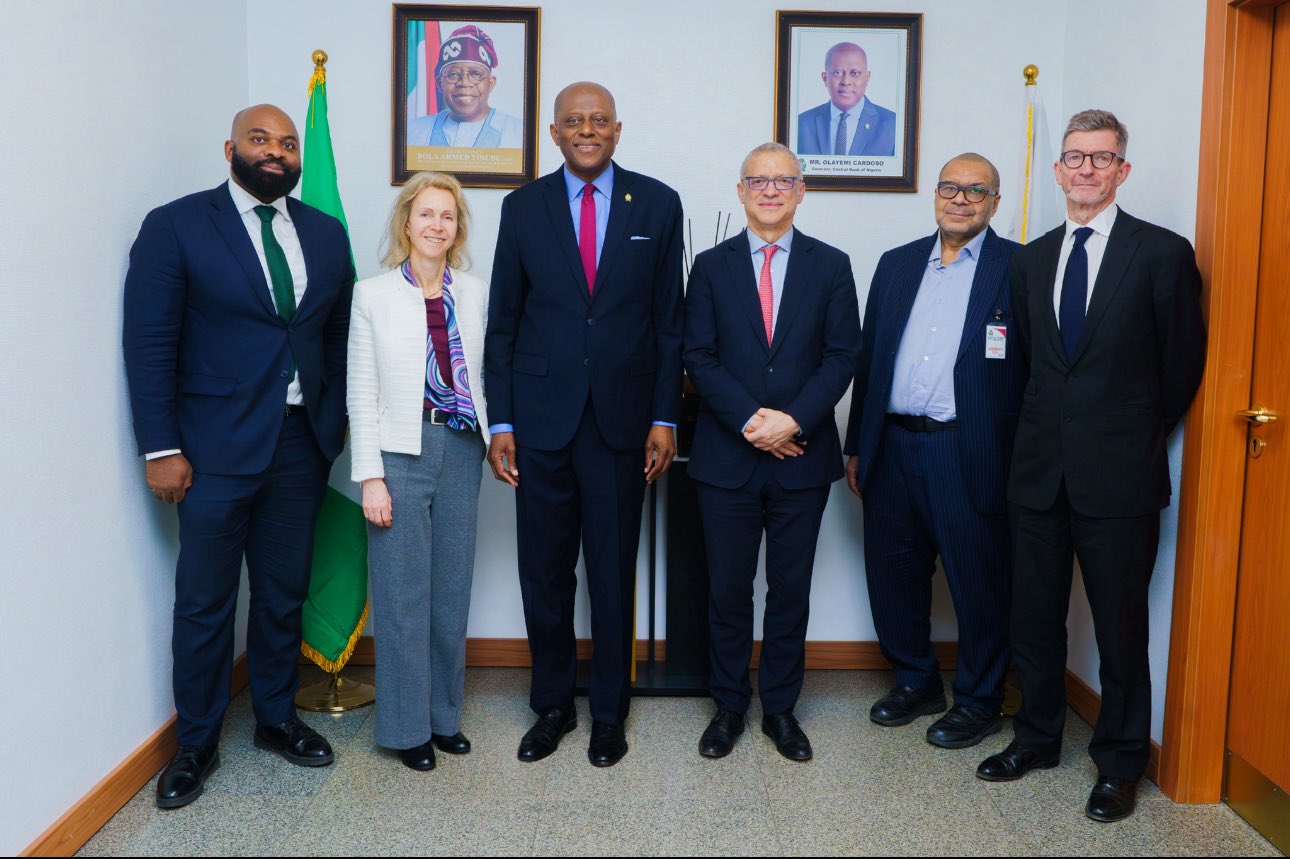
The Central Bank of Nigeria (CBN) has engaged a senior delegation from British International Investment (BII) and the British High Commission in Abuja, as Nigeria seeks to attract long-term foreign capital and reinforce confidence in its financial system. The talks were led by CBN Governor Olayemi Cardoso and included BII Chair Diana Layfield and British High Commissioner Richard Montgomery.
DECISION HIGHLIGHT
Decision type: Capital attraction and financial sector reform engagement
Decision owner: Central Bank of Nigeria (CBN)
Strategic counterpart: British International Investment (BII)
Capital focus: Patient, long-term development finance
Policy anchors: Inflation control, credible monetary policy, regulatory transparency
Target outcome: Stable financial system capable of absorbing long-term foreign capital
Headline implication: Nigeria is pitching credibility and predictability as its core investment proposition
DECISION MEMO
The engagement between the CBN and UK-backed investors is less a diplomatic courtesy than a credibility test. Nigeria is asking for patient capital at a moment when its monetary framework is still rebuilding trust after years of volatility, policy reversals, and inflationary pressure.
Governor Cardoso’s message was explicit. The CBN, he said, is prioritising inflation control, a credible monetary stance, and a transparent regulatory environment that allows banks and financial institutions to operate with confidence. These are not aspirational talking points but preconditions for the type of capital Nigeria now seeks.
Development finance institutions such as BII, Cardoso argued, are strategic rather than supplementary partners. They bring long-term funding, enforce governance discipline, and help crowd in private capital by absorbing early-stage risk. “Such institutions help bring in patient capital that supports banks, expands access to financial services, and encourages sustainable private-sector growth,” he said.
This framing matters. Nigeria’s recent capital inflows have skewed short-term and opportunistic, amplifying volatility rather than dampening it. By courting DFIs, the CBN is signalling a preference for duration, governance, and stability over hot money.
From the investor side, the message was equally conditional. Layfield reaffirmed BII’s interest in Nigeria’s financial services sector but tied long-term commitment to regulatory clarity. “A clear and predictable regulatory environment is important for investors to make long-term commitments,” she said, underscoring that capital patience is not unconditional.
“Nigeria remains an important market for us,” Layfield added, pointing to opportunities where long-term investment can support stability, inclusion, and private-sector development. The emphasis on predictability, however, suggests that reform credibility will be judged by implementation consistency, not intent.
High Commissioner Montgomery widened the lens, linking financial system strength to bilateral trade and investment flows. His intervention reinforces a broader point, macro-financial stability is now Nigeria’s primary diplomatic currency in economic relations with advanced markets.
The composition of the BII delegation underlines seriousness. Senior board members and executives, including Chief Executive Leslie Maarsdorp, Managing Director and Head of Africa Chris Chijiutomi, and Nigeria Office Head Benson Adenuga, signals due diligence rather than exploratory dialogue.
Yet the structural tension remains. BII manages about £9.9bn in assets across more than 1,600 businesses in emerging markets, capital that is long-term but selective. Nigeria must therefore compete not on rhetoric but on execution, inflation trajectory, FX stability, regulatory coherence, and banking sector soundness.
The meeting fits into the CBN’s broader reform narrative, stabilise the macro environment first, then crowd in capital. Whether this sequencing holds will determine if Nigeria attracts transformative investment or merely episodic inflows.
DATA BOX
Institution engaged: British International Investment (BII)
BII assets under management: ~£9.9bn
BII portfolio reach: 1,600+ businesses across emerging markets
Capital type targeted: Long-term, patient development finance
CBN reform focus: Inflation control, policy credibility, regulatory clarity
WHO WINS / WHO LOSES
Winners: Banks with strong governance, DFIs, long-term institutional investors, reform-aligned sectors.
Losers: Short-term speculative capital, weakly governed institutions, policy-dependent arbitrage strategies.
POLICY SIGNALS
The CBN is signalling a pivot from liquidity firefighting to credibility rebuilding, positioning regulatory predictability as the anchor for capital attraction.
INVESTOR SIGNAL
Nigeria is open for long-term capital, but the entry price is reform credibility. Investors should track inflation outcomes, FX market discipline, and regulatory consistency before committing duration.
RISK RADAR
Key risks include reform fatigue, policy reversals, inflation persistence, banking sector stress, and execution gaps between stated objectives and regulatory practice. Without sustained discipline, patient capital will remain cautious rather than catalytic.
Discover more from StakeBridge Media
Subscribe to get the latest posts sent to your email.