

By Jennete Ugo Anya
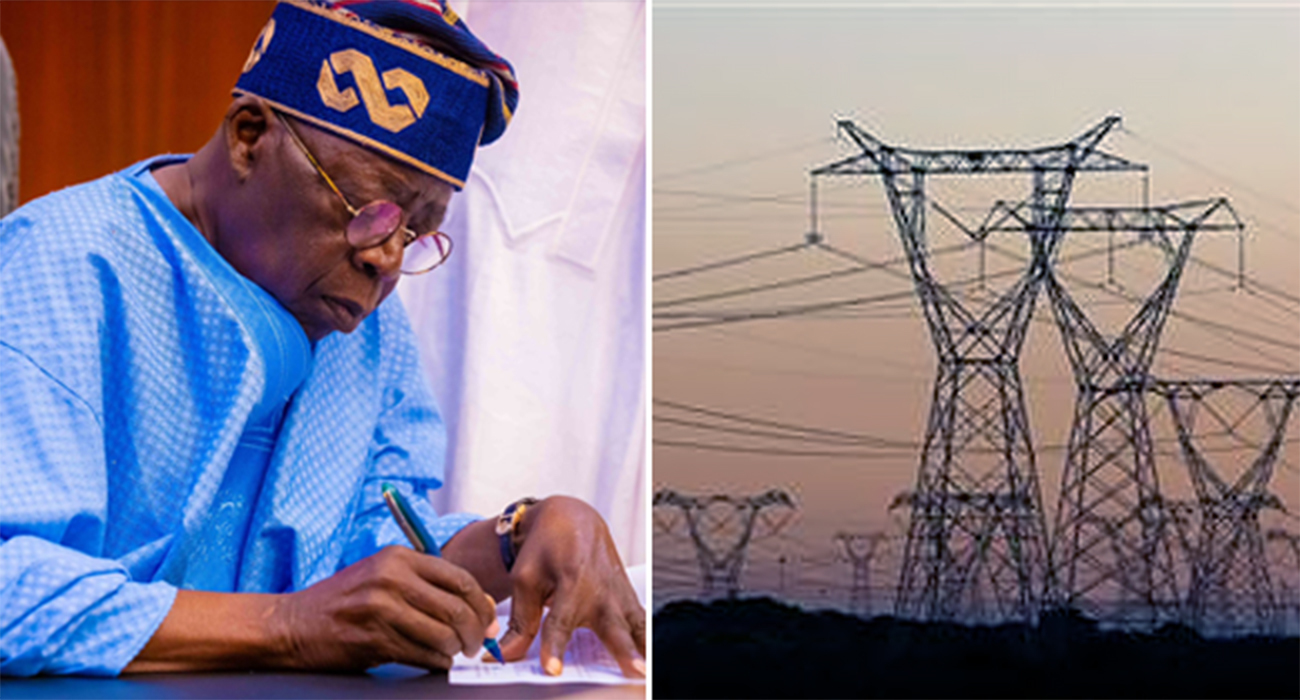
Nigeria power sector debt clearance is reshaping the electricity market as President Bola Ahmed Tinubu approved a N3.3 trillion payment plan to settle long-standing debts in Nigeria’s power sector under the Presidential Power Sector Financial Reforms Programme.
Mr. Bayo Onanuga, Special Adviser on Information and Strategy to the President, confirmed that implementation has commenced, with 15 power plants signing agreements worth N2.3 trillion and initial disbursements underway.
DECISION HIGHLIGHT
The government has adopted a full and final settlement framework for legacy debts accumulated between February 2015 and March 2025, aimed at restoring liquidity across the power value chain.
Olu Arowolo-Verheijen, Special Adviser on Energy to the President, stated that the programme is “about restoring confidence across the power sector… ensuring gas suppliers are paid and power plants can keep running.”
DECISION MEMO
The decision represents a structural reset of Nigeria’s electricity market, where accumulated debts have constrained generation, gas supply, and overall system reliability.
By clearing verified obligations, the government is attempting to restore financial discipline within the value chain. Legacy debts have historically disrupted payment flows, weakening incentives for gas suppliers and reducing operational capacity of generation companies.
The phased disbursement approach, with N501 billion already raised and N223 billion released, indicates a liquidity injection strategy rather than a one-off settlement. This suggests an attempt to stabilise the system progressively while managing fiscal constraints.
Arowolo-Verheijen’s emphasis on confidence restoration highlights the central issue, trust in payment certainty. Without predictable cash flows, private sector participation in generation and gas supply remains limited.
The linkage to broader reforms, including metering and service-based tariffs, suggests that debt clearance alone is insufficient. Financial restructuring must be complemented by revenue-side reforms to prevent recurrence of arrears.
The prioritisation of electricity supply to businesses and industries reflects a shift towards productivity-led allocation, where power distribution is aligned with economic output rather than uniform access.
However, the sustainability of the intervention will depend on whether structural inefficiencies in billing, collection, and tariff design are addressed.
DATA BOX
- Total debt settlement: N3.3 trillion
- Signed agreements: N2.3 trillion (15 power plants)
- Funds raised: N501 billion
- Disbursed: N223 billion
- Debt period: February 2015 – March 2025
WHO WINS / WHO LOSES
Power generation companies and gas suppliers gain improved liquidity and payment certainty.
Industrial and commercial users benefit from potential improvements in electricity reliability.
The Federal Government assumes fiscal burden in exchange for system stabilisation.
Inefficient operators may face increased scrutiny as financial discipline improves.
POLICY SIGNALS
The intervention signals a shift towards financial restructuring as a prerequisite for power sector reform.
It also reflects alignment between fiscal policy and energy sector stabilisation objectives.
INVESTOR SIGNAL
Debt clearance improves the bankability of the power sector by addressing payment risks and restoring confidence in revenue flows.
Opportunities may emerge in generation, gas supply, and distribution where reforms are sustained.
RISK RADAR
Fiscal risk remains significant, given the scale of government commitment.
There is recurrence risk if tariff structures and collection systems are not reformed.
Execution risk persists in ensuring that disbursements translate into sustained operational improvements across the value chain
Discover more from StakeBridge Media
Subscribe to get the latest posts sent to your email.