

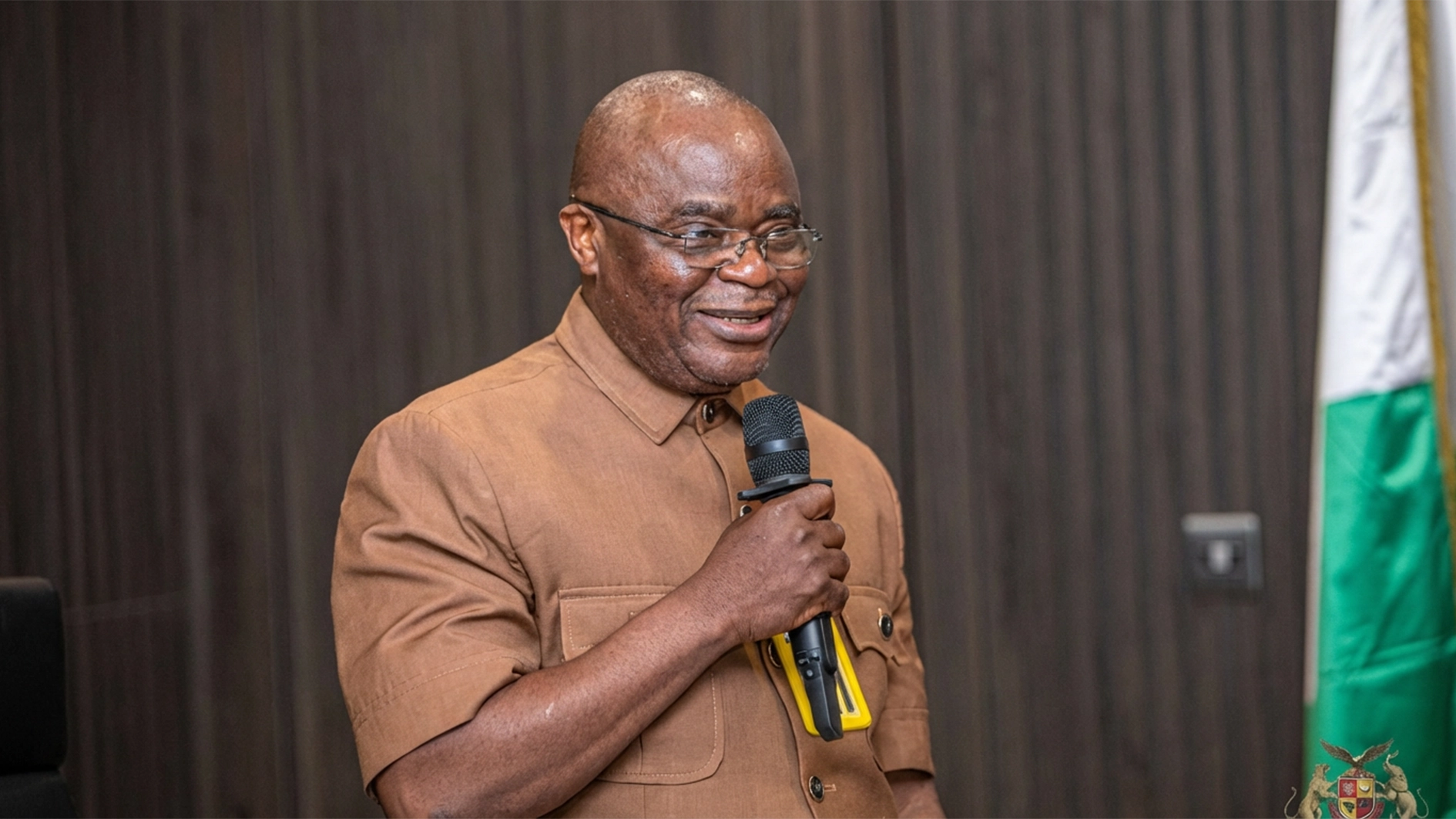
By Olumide Johnson
The Nigerian Railway Corporation (NRC) has unveiled a five-year plan to electrify major rail corridors across the country, beginning with strategic routes in Lagos and Warri.
Kayode Opeifa, Managing Director of the NRC, recently disclosed the plan during a televised interview, noting that the electrification programme will transition rail operations from diesel-powered trains to electric systems.
Opeifa said that the decision to prioritise Lagos and Warri was influenced by the availability of gas resources capable of supporting electricity generation for rail operations.
“Passengers are now subjected to double verification, first at the waiting area and again during boarding, which has significantly reduced cases of ticket racketeering,” Opeifa said while discussing operational reforms within the rail system.
DECISION HIGHLIGHT
The NRC is positioning electrified rail corridors as a central component of Nigeria’s long-term rail modernisation strategy.
The move aims to improve operational efficiency, reduce fuel dependence and align Nigeria’s railway system with international transport standards.
DECISION MEMO
The NRC’s electrification plan reflects an attempt to reposition rail transport as a strategic infrastructure backbone for Nigeria’s economic mobility.
Historically, Nigeria’s rail system has operated largely on diesel-powered locomotives, a model that carries significant operating costs and maintenance challenges. Electrification represents a shift toward modern rail technology widely adopted in advanced rail networks globally.
Opeifa said that the initial focus on Lagos and Warri reflects practical energy considerations. The presence of natural gas resources in the region provides a viable energy base for powering electric rail systems.
Beyond operational efficiency, electrification is also expected to reduce long-term fuel costs and improve reliability across rail corridors.
Opeifa also highlighted improvements in operational monitoring within the existing rail network, particularly along the Abuja–Kaduna Train Service corridor.
According to Opeifa, train movements and station activities are currently monitored through a central control system designed to strengthen safety and surveillance.
The corporation plans to replicate similar monitoring frameworks across other rail corridors nationwide.
Passenger demand along the Abuja–Kaduna corridor has also increased significantly. In response, the NRC has expanded daily train operations on the route to three trips per day.
Opeifa acknowledged persistent ticket racketeering challenges linked to excess passenger demand relative to seat capacity. The corporation has introduced stricter verification procedures to address the problem.
Under the new system, passengers undergo identity verification both at the waiting area and again during boarding.
Opeifa also emphasised the importance of protecting rail infrastructure across the country.
He urged state governments to strengthen collaboration with the Railway Police, which currently operates in 26 states, to enhance the security of rail assets and mobility corridors.
Beyond operational reforms, the NRC is developing a national rail map aimed at integrating state rail systems with the national network.
The integration strategy reflects the broader objective of improving connectivity between regional transport systems and strengthening trade corridors across the country.
Opeifa noted that rail infrastructure remains a critical driver of economic activity and national integration. “Railway is an enabler of growth,” Opeifa said.
The corporation is also exploring new service models that extend beyond transportation. Opeifa disclosed that tourism and entertainment services linked to rail travel are being considered as part of broader plans to expand passenger experience.
The electrification strategy therefore represents not only a technological upgrade but also an institutional attempt to reposition rail transport within Nigeria’s evolving infrastructure landscape.
DATA BOX
Strategic Plan Duration: 5 years
Initial Electrification Corridors:
Lagos
Warri
Daily Trips on Abuja–Kaduna Route: 3
Railway Police Coverage: 26 states
Key Infrastructure Strategy:
National rail map integrating state rail networks
Operational Reform:
Passenger double verification to reduce ticket racketeering
WHO WINS / WHO LOSES
Winners
Rail passengers may benefit from improved reliability, faster operations and enhanced safety monitoring.
Industrial and logistics operators could gain from more efficient freight transport along electrified corridors.
Energy providers in gas-rich regions may benefit from increased demand for electricity generation linked to rail operations.
Losers
Diesel supply chains supporting existing rail locomotives could face declining demand if electrification expands.
Operational inefficiencies and informal ticket racketeering networks may face stronger institutional controls.
POLICY SIGNALS
The electrification plan signals a strategic shift toward modern rail infrastructure development within Nigeria’s transport policy framework.
It also reflects a broader attempt to integrate energy planning with transport infrastructure development.
The plan suggests that future rail investments may increasingly prioritise sustainability and operational efficiency.
INVESTOR SIGNAL
For infrastructure investors, the electrification initiative highlights potential opportunities in rail energy systems, rail technology, signalling infrastructure and corridor development.
Integrated rail corridors linking ports, industrial zones and inland markets could attract logistics and transport investments.
RISK RADAR
Three structural risks remain evident.
First is infrastructure financing risk, given the capital intensity of rail electrification projects.
Second is energy supply risk, as reliable electricity generation will be required to sustain electric rail operations.
Third is institutional coordination risk, particularly in aligning federal rail infrastructure with emerging state transport systems.
The NRC’s electrification strategy ultimately signals ambition to modernise Nigeria’s rail system, but its success will depend heavily on financing capacity, energy infrastructure and consistent project execution.
Discover more from StakeBridge Media
Subscribe to get the latest posts sent to your email.