

By Jennete Ugo Anya
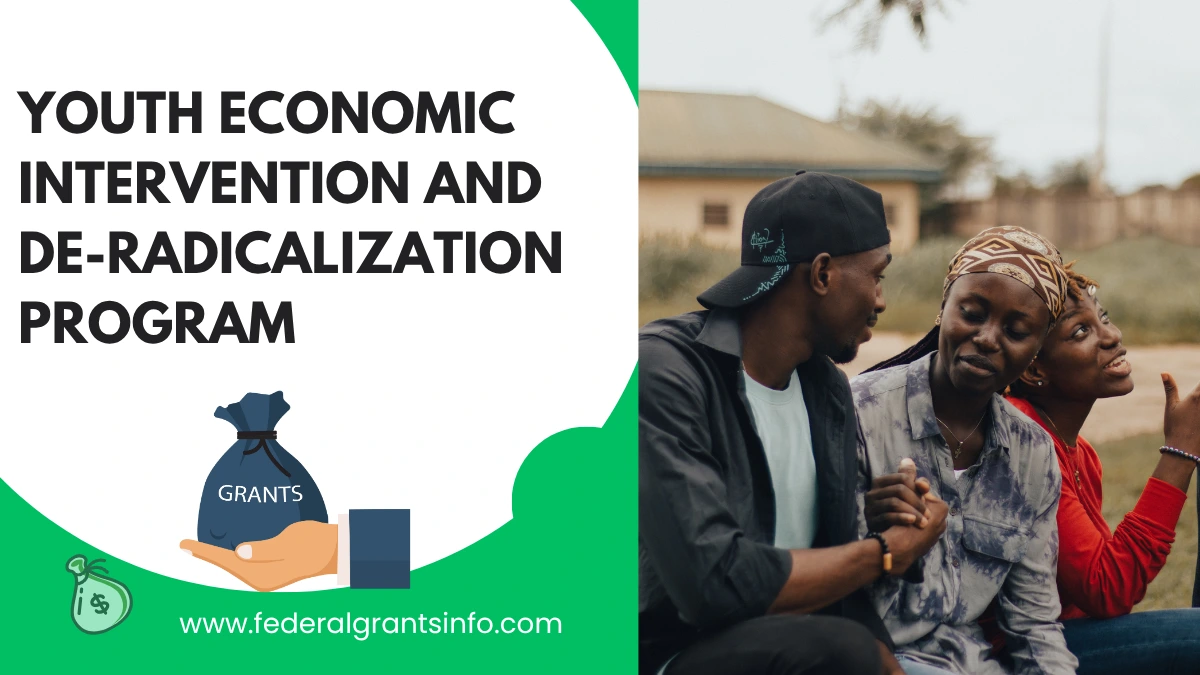
YEIDEP 2026 is the Federal Government’s youth empowerment programme designed to support millions of young Nigerians through agriculture-based grants, enterprise development and economic opportunities. Here is what beneficiaries need to know about eligibility, rollout and implementation. This was reaffirmed at the programme’s end-of-year stakeholders’ meeting in Lagos, which convened financial partners, ministries, departments and agencies, and service vendors supporting implementation.
The programme, coordinated by the Federal Ministry of Youth Development in collaboration with the Youths Off The Street Initiative, has completed its system design and onboarding phase and is now positioned for nationwide rollout targeting large-scale youth economic participation.
DECISION HIGHLIGHT
Decision Context:
Rising youth unemployment, food insecurity, and social vulnerability continue to pose economic and security risks.
Programme Action:
Nationwide rollout of YEIDEP beginning in 2026.
Implementation Structure:
Phased execution led by the Federal Ministry of Youth Development with private sector, financial, and development partners.
Strategic Objective:
Deliver grant-based economic empowerment to youths across the agricultural value chain while reducing unemployment and social radicalisation.
DECISION MEMO STORY
YEIDEP’s shift into execution marks a deliberate policy sequencing choice. Rather than rushing disbursements, 2024 and 2025 were spent building coordination structures, onboarding beneficiaries, and aligning funding and delivery partners. The 2026 rollout therefore represents a move from administrative readiness to economic exposure.
The programme’s architecture is anchored on scale. An initial target of 20 million beneficiaries signals ambition rarely seen in youth-focused interventions. With approximately 12 million youths already registered and verified, the emphasis has shifted to completing onboarding and deploying capital through structured financial channels.
Design choices matter. YEIDEP’s focus on the agricultural value chain extends beyond farming into processing, marketing, and trading. This broadens participation, reduces concentration risk, and aligns youth empowerment with food system resilience. Equally significant is the decision to structure support as grants rather than loans. By removing repayment obligations, the programme reframes empowerment as productive investment rather than social assistance.
The phased rollout reflects operational caution. The first phase is designed to test systems, banks, and training pipelines before expansion. Financial partners are positioned not only as disbursement channels but as accountability anchors, linking empowerment to measurable activity rather than cash transfers.
Beyond economics, YEIDEP is also a social stabilisation tool. By targeting vulnerable youths and linking livelihoods to structured enterprise, the programme seeks to weaken pathways into insecurity, drug abuse, and radicalisation. In that sense, YEIDEP sits at the intersection of labour policy, food security, and internal security strategy.
DATA BOX
- Initial target beneficiaries: 20 million youths
- Registered and onboarded: ~12 million
- Pending onboarding (Q1 2026): ~8 million
- Minimum grant per beneficiary: N500,000
- Implementation start: 2026
- Focus sectors: Agriculture, processing, marketing, trading
WHO WINS / WHO LOSES
Who Wins:
- Young Nigerians seeking entry into agri-based enterprises
- Food systems benefiting from expanded youth participation
- Financial institutions embedded in structured disbursement and monitoring
Who Loses:
- Informal empowerment schemes lacking accountability frameworks
- Regions or cohorts unable to meet onboarding or verification thresholds
POLICY SIGNALS
YEIDEP reinforces the government’s shift toward grant-based, productivity-linked youth interventions. It also signals policy recognition that youth employment, food security, and internal stability are interlinked outcomes rather than isolated objectives.
INVESTOR SIGNAL
Large-scale youth participation in agriculture expands future demand for inputs, logistics, storage, and processing infrastructure. For private capital, YEIDEP creates a pipeline of micro-enterprises that could later graduate into bankable MSMEs.
RISK RADAR
- Execution risk at scale across millions of beneficiaries
- Weak monitoring could dilute impact or create leakage
- Capacity constraints within partner banks and service providers
- Political and fiscal pressures affecting sustained funding
YEIDEP’s 2026 rollout is not just an empowerment programme, it is a national delivery test. Its success will be measured less by enrolment figures and more by whether planning discipline translates into durable economic outcomes for Nigerian youths.
Discover more from StakeBridge Media
Subscribe to get the latest posts sent to your email.