

By Enam Obiosio
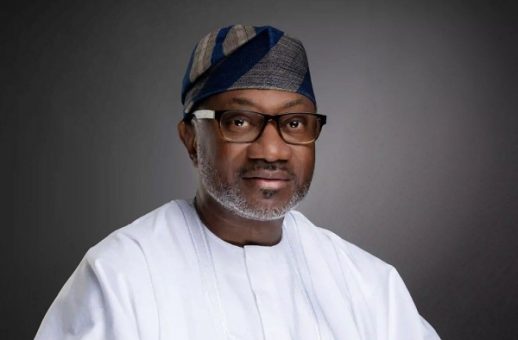
Femi Otedola’s $100 million commitment to the Dangote Refinery’s private placement, as I see it, is not an ordinary investment move. I see it as one of the clearest statements yet that serious African capital is beginning to reposition around production, infrastructure, and long-term industrial ownership.
To fund the investment, Otedola exited his controlling stake in Geregu Power through a $750 million transaction. That decision matters because it was not a random portfolio adjustment. It was a calculated redeployment of capital from one strategic asset into another potentially larger industrial opportunity.
The Dangote Refinery is not simply another refinery project. I believe it is becoming a continental industrial platform with implications for energy security, foreign exchange retention, manufacturing expansion, petrochemicals, logistics, and regional economic integration. Analysts projecting a possible valuation of between $40 billion and $50 billion are not merely pricing infrastructure. They are pricing industrial dominance at scale. What stands out even more is how the investment happened.
Otedola reportedly visited the refinery 25 times alongside Aliko Dangote before securing a private allocation ahead of the planned initial public offering. That detail exposes how serious capital actually works. Strategic opportunities are rarely built on sudden excitement. They are built on years of access, observation, trust, positioning, and conviction.
Too many Africans still approach investment emotionally and react only after public hype begins. Meanwhile, the people closest to transformational assets usually establish their positions quietly long before broader market participation arrives. That is the real lesson here.
I believe African investors must begin thinking beyond short-term trading culture and consumption-driven wealth patterns. If the continent genuinely wants industrial growth, stronger currencies, energy independence, and economic resilience, then African capital must increasingly finance African productive infrastructure.
This is how industrial economies are built. Domestic investors back domestic production capacity. Pension funds support infrastructure. Institutional capital strengthens manufacturing ecosystems. Wealth compounds around assets that create long-term productive value.
The Dangote Refinery therefore represents more than a business story. It represents a broader shift in how African capital may begin positioning itself over the next decade.
I believe Nigerians and Africans should pay close attention. The continent’s future will not be transformed by speeches alone. It will be transformed by investors willing to take disciplined, patient, and strategic positions inside Africa’s productive economy before the rest of the market fully understands where the future is heading.
Discover more from StakeBridge Media
Subscribe to get the latest posts sent to your email.