

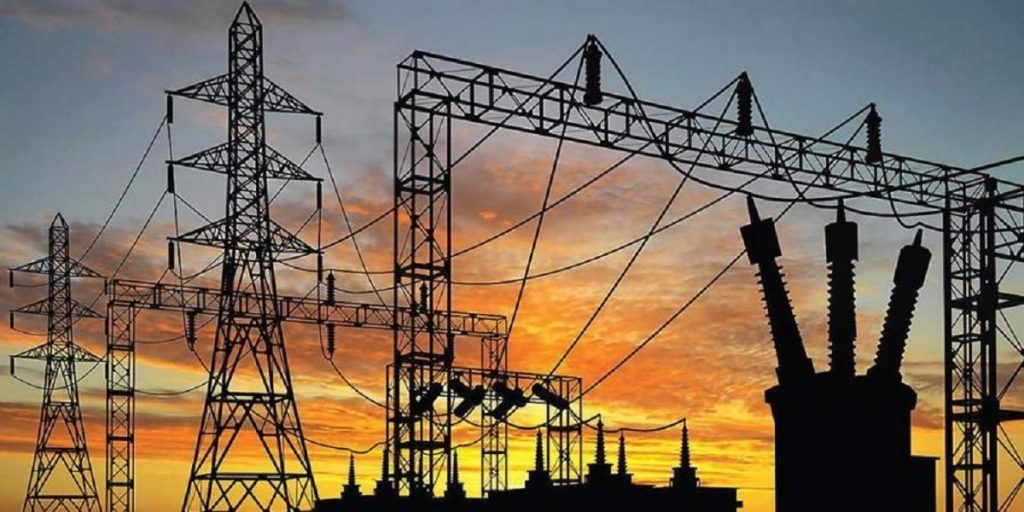
- Frequent grid collapses are shifting from technical failures to a binding constraint on Nigeria’s manufacturing, MSMEs, and investor confidence
The Lagos Chamber of Commerce and Industry (LCCI) has warned that recurrent national grid collapses are now a systemic threat to manufacturers, micro, small and medium enterprises (MSMEs), and Nigeria’s broader business environment. The warning followed the second grid collapse within five days, a pattern the chamber says reflects deep structural and operational failures in the power transmission system, at a time when the economy is expected to transition from crisis management to consolidation in 2026.
DECISION HIGHLIGHT
Decision type: Infrastructure risk escalation alert
Decision owner: Lagos Chamber of Commerce and Industry (LCCI)
Primary spokesperson: Chinyere Almona, Director General
Sector affected: Manufacturing, MSMEs, exports, investment climate
Core risk: Transmission system instability
Timeframe of concern: 2026 economic consolidation phase
Headline implication: Grid unreliability is now a binding constraint on growth, not a technical inconvenience
DECISION MEMO
LCCI’s intervention reframes power grid collapses from episodic technical failures into a macroeconomic risk variable. In a sharply worded statement, its Director General, Dr Chinyere Almona, described the latest collapse as evidence of unresolved weaknesses in grid governance, infrastructure integrity, and operational discipline.
“This recurrence underscores deep structural and operational weaknesses in the power transmission system and poses a direct threat to manufacturers, MSMEs, and Nigeria’s overall business environment,” Almona said, warning that the timing is particularly damaging as Nigeria seeks to exit crisis stabilisation and enter a consolidation phase in 2026.
The chamber’s concern goes beyond frequency. Repeated grid failures, according to LCCI, translate directly into lost production hours, damaged equipment, rising dependence on self-generation, higher operating costs, and eroding competitiveness. For MSMEs, already squeezed by inflation, exchange rate pressures, and weak consumer demand, power instability functions as an existential risk rather than a cost irritant.
“These disruptions weaken investor confidence, worsen inflationary pressures, and undermine the credibility of economic reforms,” Almona said, explicitly linking grid performance to macroeconomic signalling.
More critically, LCCI projects deterioration under inertia. “Based on recent patterns and in the absence of urgent structural fixes, the LCCI estimates that Nigeria could experience tens of grid collapses in 2026 under a business-as-usual scenario,” Almona stated. This forecast directly challenges official reform narratives premised on stabilisation gains translating into productivity-led growth.
Yet the chamber also outlined a clear counterfactual. “With immediate reforms, system upgrades, and strict operational discipline, this figure can be reduced to zero incidents,” Almona said, arguing that grid reliability is achievable if treated as an economic priority rather than a sectoral problem.
LCCI’s prescription is institutional, not rhetorical. It called for an independent forensic audit of the national grid, covering transmission infrastructure integrity, system protection schemes, operational protocols, and the governance architecture of grid management. The chamber insists that the findings should feed directly into a short-term grid performance reform programme, rather than becoming another diagnostic exercise without enforcement.
“Without urgent intervention, recurring grid collapses will continue to undermine the government’s objective of entering a consolidation phase in 2026, while constraining productivity, exports, and job creation,” Almona warned. She concluded with a blunt reminder often absent from power sector debates, “Reliable power supply is foundational to industrialisation, competitiveness, and macroeconomic stability.”
The underlying message is unambiguous. Nigeria’s growth constraints are no longer abstract policy failures. They are physical, measurable, and increasingly intolerable to the private sector.
DATA BOX
Grid collapses: 2 incidents within 5 days
Risk outlook (2026): Tens of collapses under business-as-usual
Alternative outcome: Zero collapses with urgent reforms
Key impact channels: Production losses, self-generation costs, inflation pressure, investor confidence
Target economic phase: Transition to consolidation in 2026
WHO WINS / WHO LOSES
Winners: Generator suppliers, diesel importers, informal power solutions.
Losers: Manufacturers, MSMEs, exporters, wage earners, reform credibility.
POLICY SIGNALS
The call for forensic audit signals rising private-sector impatience with incremental fixes. Power transmission reliability is being reframed as a governance and accountability issue, not merely a funding gap.
INVESTOR SIGNAL
Grid instability remains a material risk premium on Nigerian assets. Until transmission reliability improves, productivity-led growth assumptions embedded in forecasts should be discounted.
RISK RADAR
Key risks include continued grid collapses, weak enforcement of audit outcomes, operational indiscipline, rising cost of self-generation, and erosion of reform trust. Without decisive intervention, power instability risks becoming the single most visible contradiction of Nigeria’s consolidation narrative.
Discover more from StakeBridge Media
Subscribe to get the latest posts sent to your email.