

By Ayo Susan
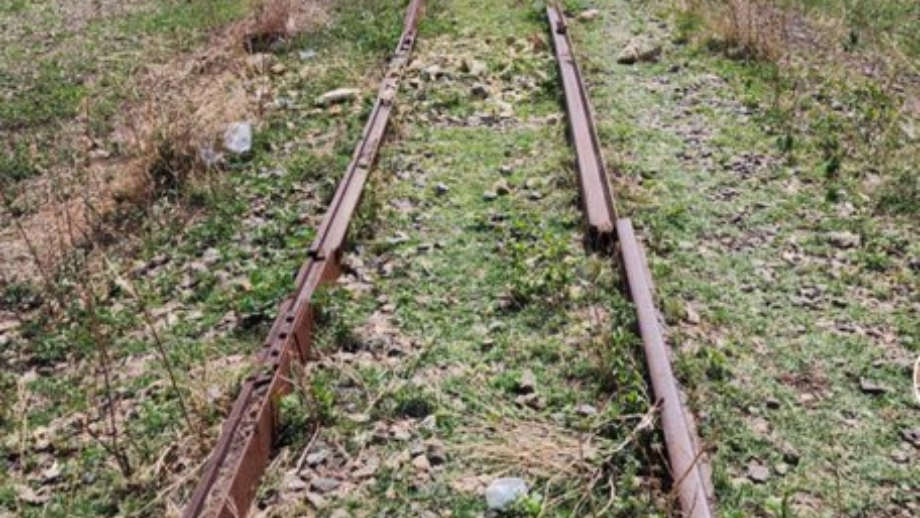
The Nigeria Security and Civil Defence Corps (NSCDC) has sealed facilities belonging to Inner Galaxy Steel nationwide over alleged involvement in the vandalism, recycling and concealment of railway infrastructure and other critical national assets.
The action followed a recent court order secured after the arrest of suspects and recovery of vandalised railway materials allegedly traced to the company’s premises in Birnin Yero, Igabi Local Government Area of Kaduna State.
Addressing journalists during a briefing at the facility, National Public Relations Officer of the NSCDC, Mr. Babawale Afolabi, said that suspects were under investigation for conspiracy to commit felony, intentional endangerment of railway passengers, obstruction and destruction of railway infrastructure, theft, concealment of stolen property and alleged financing of terrorism.
According to Afolabi, the court order authorised the sealing of the premises and transfer of recovered railway sleepers and tracks to the Nigerian Railway Corporation (NRC) as exhibits for prosecution.
“The facility will remain sealed pending the conclusion of investigations,” Afolabi stated.
He added that the court order also covered facilities linked to Inner Galaxy Steel Company and Jiuxing Integrity Industrial Ltd in Abia and Zamfara states, including any other branches nationwide connected to the investigation.
DECISION HIGHLIGHT
The NSCDC is intensifying enforcement operations against infrastructure vandalism and illegal recycling networks linked to strategic national assets.
The crackdown signals increasing security coordination around protection of railway investments and other critical infrastructure projects financed by the federal government.
DECISION MEMO
The latest enforcement action reflects growing concern within government and security circles over the economic consequences of infrastructure sabotage across Nigeria’s transportation and industrial systems.
For years, railway vandalism was largely treated as isolated criminal activity involving theft of tracks, cables and rail components. The current investigation suggests authorities increasingly view such activities as organised economic sabotage capable of undermining national infrastructure investments, public safety and logistics efficiency.
The scale of the operation also indicates widening scrutiny of industrial recycling channels suspected of creating commercial demand for stolen public infrastructure materials.
According to Afolabi, some arrested staff members allegedly confessed that vandalised railway materials and critical infrastructure components were transported to company facilities for melting and recycling into products such as nails and roofing sheets.
The allegations point to a broader illicit supply chain linking infrastructure theft to secondary industrial processing.
The development comes at a period when the federal government is investing heavily in railway modernisation through projects including the Abuja-Kaduna and Lagos-Ibadan standard gauge corridors.
Those investments are intended to improve logistics efficiency, reduce transportation costs, strengthen regional connectivity and support broader economic diversification efforts.
Persistent vandalism, however, continues increasing maintenance costs, disrupting operations and weakening long-term infrastructure sustainability.
The NSCDC’s latest action therefore signals a transition from reactive infrastructure protection toward more aggressive enforcement targeting commercial networks allegedly benefiting from vandalism.
The inclusion of alleged terrorism financing within the investigation also elevates the seriousness of the case beyond ordinary property crimes.
Commandant-General of the NSCDC, Dr. Ahmed Audi, directed operatives led by Commandant Appollos Dandaura of the Commandant General’s Special Intelligence Squad to ensure diligence and professionalism throughout the investigation.
“All suspects found culpable will be prosecuted in accordance with the law,” Audi stated.
The intervention also reflects increasing inter-agency coordination between security institutions, the judiciary and transport authorities around protection of critical national infrastructure.
For Nigeria’s broader investment environment, the case highlights how infrastructure security is increasingly becoming central to economic planning, transportation reliability and public asset sustainability.
DATA BOX
- Institution: Nigeria Security and Civil Defence Corps
- Affected Facilities: Inner Galaxy Steel facilities nationwide
- Additional Companies Referenced: Jiuxing Integrity Industrial Ltd
- Locations Mentioned: Kaduna, Abia and Zamfara states
- Core Allegations:
- Railway vandalism
- Theft of infrastructure materials
- Recycling of stolen railway assets
- Concealment of stolen property
- Alleged terrorism financing
- Recovered Materials:
- Railway sleepers
- Rail tracks
- Receiving Agency for Exhibits: Nigerian Railway Corporation
- Federal Rail Projects Referenced:
- Abuja-Kaduna standard gauge rail line
- Lagos-Ibadan standard gauge rail line
- Products Allegedly Manufactured from Recycled Materials:
- Nails
- Roofing sheets
WHO WINS / WHO LOSES
Potential Winners:
- Nigerian Railway Corporation and rail infrastructure operators
- Logistics-dependent businesses requiring stable rail operations
- Security agencies strengthening infrastructure enforcement capacity
- Investors dependent on transport reliability
Potential Losers:
- Illegal scrap and recycling networks
- Firms linked to infrastructure theft investigations
- Rail passengers affected by service disruptions
- Public infrastructure budgets exposed to repeated repair costs
POLICY SIGNALS
The enforcement action signals increasing government focus on infrastructure protection as part of wider economic stabilisation and public asset preservation efforts.
It also reflects growing securitisation of strategic infrastructure management, particularly around transportation corridors and logistics assets.
The involvement of the judiciary and intelligence-led enforcement further indicates movement toward more coordinated anti-sabotage operations nationwide.
INVESTOR SIGNAL
For investors, the crackdown suggests stronger institutional recognition that infrastructure protection is essential to sustaining long-term transportation investments and logistics efficiency.
Aggressive enforcement may improve confidence around strategic rail investments if sustained consistently.
However, recurring vandalism continues exposing infrastructure projects to elevated operational and maintenance risks.
RISK RADAR
- Organised infrastructure theft networks
- Weak protection across remote rail corridors
- High maintenance costs from repeated vandalism
- Industrial demand for stolen infrastructure materials
- Delayed rail expansion timelines
- Potential investor concerns over infrastructure security
- Operational disruptions affecting logistics efficiency
Discover more from StakeBridge Media
Subscribe to get the latest posts sent to your email.