

By Enam Obiosio
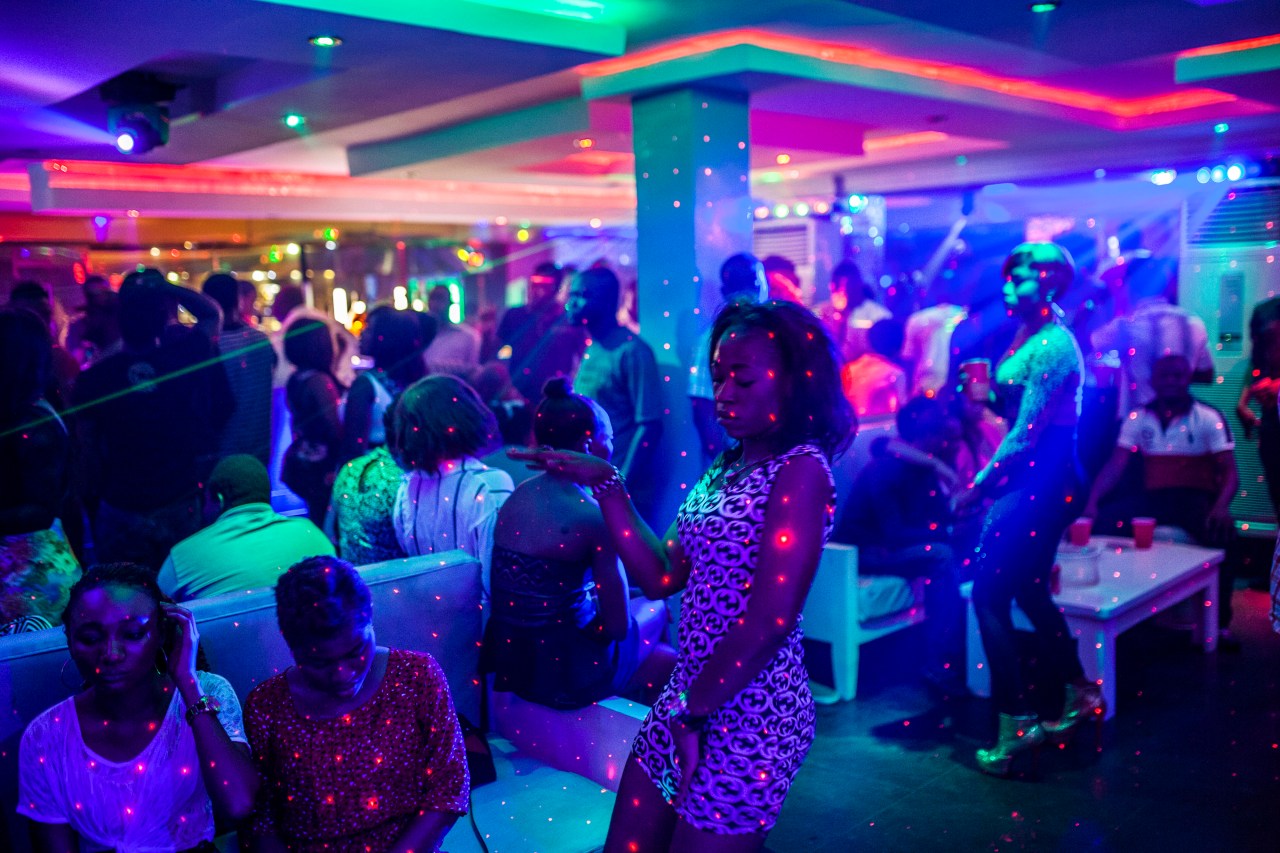
I have studied the numbers closely, and the conclusion is unavoidable. Nigeria’s nightlife is not leisure, it is a functioning economic system that has been consistently misread and undervalued. When over N900 billion is processed annually across more than 27,000 venues, the issue is no longer scale, it is classification.
What we are observing is not a fringe activity but a structured flow of capital, employment, and behavioural economics operating outside formal recognition. The problem is not that the sector is invisible, it is that it has been intellectually dismissed. That dismissal is no longer sustainable.
The data reveals a dual-market structure that is critical to understanding how value is created and distributed. At the base sits the community nightlife system, characterised by high transaction frequency and low-ticket sizes. These are neighbourhood bars, informal lounges, and local gathering points that drive volume and employment. Over 54,000 Nigerians are engaged nightly within this segment, with labour expanding significantly during peak periods.
At the top sits a concentrated premium layer where fewer participants generate disproportionate value through high spend. This is where the economics become instructive. A brand like Quilox has not merely operated within this layer, it has defined it. By establishing a minimum spend of over N1 million per VIP table, it reset pricing expectations across the market and created a new consumption category.
This is not incidental pricing behaviour. It is deliberate market construction. Once that threshold was normalised, other operators adjusted accordingly, positioning themselves relative to a standard they did not originate. The implication is clear, pricing in Nigeria is not purely demand-driven, it is perception-driven and highly responsive to structured experience.
The spending patterns reinforce this. During the 2024 Detty December season, select high-end clubs generated up to N360 million in a single day, with VIP tables reaching N1.2 million per night. These figures demonstrate concentrated liquidity operating within a narrow time window, typically a four-hour peak cycle. This compression of value into limited timeframes highlights the efficiency of premium-tier nightlife as a revenue engine.
The shift in payment behaviour further amplifies this dynamic. Bank transfers have overtaken both cash and card payments in nightlife transactions, exceeding card usage by nearly two million events during peak hours. This transition reduces transactional friction and alters spending psychology. When high-value transactions are executed through identical digital interfaces as lower-value ones, perceived financial thresholds diminish, enabling rapid escalation in spend.
This behavioural shift has broader implications. It suggests that Nigeria’s consumption constraints are not solely income-driven but are influenced by environment, perception, and ease of transaction. Where these factors align, spending expands beyond conventional expectations.
This creates a contradiction that policy frameworks have not adequately addressed. Nigeria is often characterised as an economy under pressure, yet within that same environment, there exists sustained high-value discretionary spending. The coexistence of constrained incomes and premium consumption indicates that economic participation is segmented rather than uniformly suppressed.
The implication is that demand exists, but it is selectively activated. Nightlife, particularly at the premium level, provides one of the clearest case studies of this activation. The sector demonstrates that when experience, branding, and payment infrastructure align, liquidity is released at scale.
This is why the sector’s exclusion from formal economic prioritisation is problematic. Tosin Eniolorunda, Chief Executive Officer of Moniepoint, noted that local nightlife operators are a critical part of Nigeria’s economic architecture. This assessment is accurate but incomplete. The sector is not just part of the architecture, it is part of the liquidity system itself.
Each operational night activates a network of suppliers and service providers, including beverage distributors, food vendors, logistics operators, security personnel, and transport services. The economic impact extends beyond direct transactions to a wider ecosystem that remains largely unmeasured in policy terms.
The structural insight here is not limited to nightlife. The same pattern appears across multiple sectors in Nigeria. High fragmentation at the base, high value concentration at the top, and informal systems supporting formal economic outcomes. Nightlife simply provides a clearer lens because of its immediacy and visibility.
The Quilox example is particularly instructive because it demonstrates how pricing can redefine market behaviour. Conservative estimates suggest that VIP table sales alone could exceed N4 billion annually, excluding additional revenue streams such as general admission, events, and ancillary services. This level of value generation within a single brand ecosystem indicates that the upper tier of the nightlife economy functions with a degree of efficiency and scalability that is not widely acknowledged.
Similarly, the broader Lagos market generated N4.32 billion across just 15 clubs within a single December period, reinforcing the concentration of value within premium urban clusters. At the same time, states such as Kwara lead in transaction frequency despite lower venue density, illustrating the volume-driven dynamics at the base of the market.
These insights collectively point to a misalignment between observed economic behaviour and policy interpretation. The sector is both large and structured, yet it is not treated as a strategic economic priority. This limits opportunities for optimisation, including formalisation, taxation efficiency, infrastructure support, and data integration.
More importantly, it obscures lessons that could be applied to other sectors. The ability to create high-value demand within constrained environments, the role of digital payments in accelerating liquidity, and the impact of branding on pricing power are not nightlife-specific phenomena. They are transferable economic principles.
Ignoring these dynamics reduces policy effectiveness because it disconnects strategy from actual behaviour. An economy cannot be managed accurately if significant portions of its activity are dismissed or misunderstood.
The central issue, therefore, is not whether Nigeria’s nightlife economy is large. The data has already resolved that question. The issue is whether it is being interpreted correctly. At present, it is not.
What I see is a system that demonstrates the presence of demand, the responsiveness of consumers to structured experiences, and the capacity for rapid capital circulation when friction is reduced. These are indicators of economic potential, not anomalies.
The failure to recognise this leads to broader misjudgements about the Nigerian economy. It reinforces narratives of constraint without adequately accounting for areas of demonstrated liquidity and resilience.
This is not an argument for elevating nightlife above other sectors. It is an argument for analytical consistency. If a sector processes N900 billion annually, employs tens of thousands of people, and influences behavioural patterns across consumption and payment systems, it warrants structured attention.
The broader implication is that Nigeria’s economic reality is more complex than current frameworks suggest. It is not defined solely by scarcity or constraint, but by uneven distribution, selective activation, and structural inefficiencies in how value is captured and scaled. Nightlife, in this context, is not the story. It is the evidence.
And until that evidence is properly integrated into how we think about the economy, we will continue to misprice not just nightlife, but Nigeria itself.
Discover more from StakeBridge Media
Subscribe to get the latest posts sent to your email.