

By Kingsley Ani
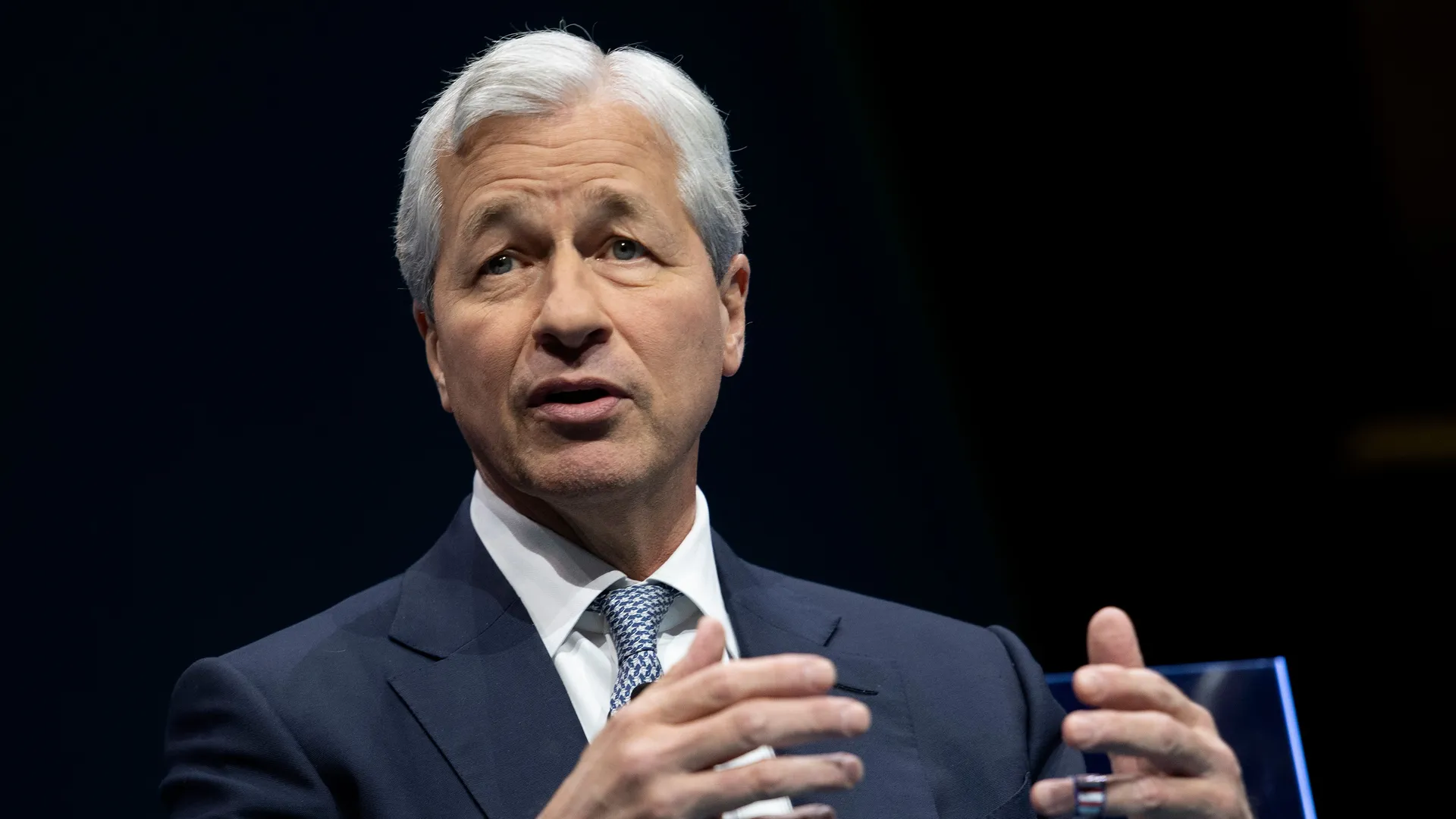
Jamie Dimon, Chief Executive Officer, JPMorgan Chase & Co., has recently warned in his annual shareholder letter and subsequent interview that a potential escalation involving Iran could disrupt global energy markets and reignite inflationary pressures. He noted that such developments could affect fuel prices, manufacturing costs, and broader supply chains, despite current resilience in the United States economy.
Dimon described inflation as the potential “skunk at the party,” cautioning that geopolitical instability could alter macroeconomic trajectories.
DECISION HIGHLIGHT
JPMorgan Chase & Co. is signalling heightened geopolitical risk as a key variable that could sustain inflation and extend restrictive monetary policy conditions.
DECISION MEMO
Dimon’s intervention reframes the inflation outlook from a purely domestic monetary issue to a geopolitically driven supply-side risk. His assessment suggests that current disinflation trends remain vulnerable to external shocks, particularly in energy markets where disruptions can transmit rapidly across global supply chains.
Dimon stated that “the outcome of current geopolitical events may very well be the defining factor in how the future global economic order unfolds,” indicating that macroeconomic stability is increasingly contingent on geopolitical developments.
The reference to supply chain disruptions across sectors such as shipbuilding, agriculture, and food production highlights the breadth of potential transmission channels. This reinforces the view that inflation risks are no longer isolated to demand-side dynamics but are structurally embedded in global production systems.
His caution also implies a policy constraint for the United States Federal Reserve, where renewed inflationary pressure could delay monetary easing. The prospect of “higher for longer” interest rates introduces a tightening bias that could affect credit conditions, investment flows, and financial market stability.
At the same time, his acknowledgement of continued economic resilience suggests a dual-track outlook, where underlying strength coexists with elevated downside risks. This creates a policy environment defined by uncertainty rather than directional clarity.
DATA BOX
- Key risk factor: Potential Iran-related geopolitical escalation
- Transmission channels: Energy markets, supply chains, commodity prices
- Policy implication: Prolonged higher interest rates
- Economic condition: Resilient but showing signs of weakening consumption
WHO WINS / WHO LOSES
Energy producers may benefit from elevated commodity prices driven by supply disruptions.
Central banks retain policy leverage but face constrained flexibility.
Consumers and manufacturing sectors face cost pressures from rising input and fuel prices.
Interest rate-sensitive sectors may experience prolonged financing constraints.
POLICY SIGNALS
The outlook signals increased sensitivity of monetary policy to geopolitical developments.
It reinforces the persistence of supply-side inflation risks despite prior tightening cycles.
There is an implicit need for policy coordination between energy security and economic stability frameworks.
INVESTOR SIGNAL
The warning introduces a cautious outlook for global markets, with heightened volatility tied to geopolitical developments.
Investors may anticipate prolonged restrictive monetary conditions, affecting asset pricing and capital allocation decisions.
RISK RADAR
Geopolitical escalation risk remains the primary trigger for renewed inflation.
Energy market volatility poses systemic risk across sectors.
Monetary policy risk is elevated, with potential delays in rate normalisation.
Supply chain disruption risk persists across global production networks.
There is also macro uncertainty risk, as resilience coexists with emerging economic pressures.
Discover more from StakeBridge Media
Subscribe to get the latest posts sent to your email.