
By Kingsley Ani
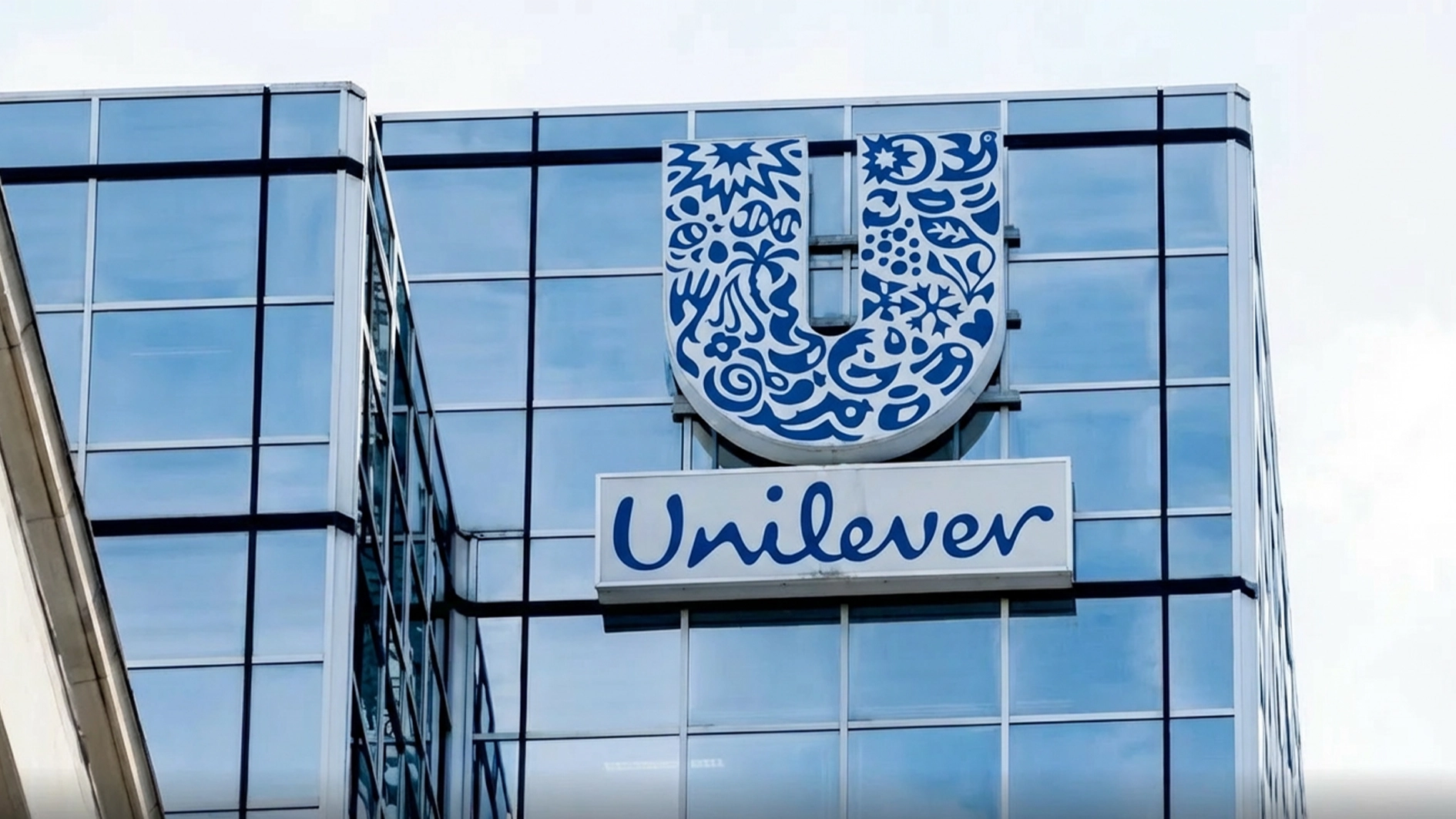
Unilever Nigeria Plc has recently disclosed that parent company, Unilever Plc, plans to combine its global foods business with McCormick & Company, Inc., with the Nigerian subsidiary currently reviewing the transaction’s implications for its local operations and corporate structure.
DECISION HIGHLIGHT
The proposed merger introduces strategic uncertainty for Unilever Nigeria’s most commercially significant business segment and may reshape the subsidiary’s portfolio structure, operational priorities, and market positioning depending on final transaction architecture.
DECISION MEMO
Unilever Plc’s proposed combination of its foods business with McCormick represents a potentially consequential strategic inflection point for Unilever Nigeria because the foods segment remains the local subsidiary’s dominant revenue engine.
While management has stated that no immediate operational changes have been made, the significance of the review process should not be understated. Foods generated the majority of Unilever Nigeria’s 2025 revenue, meaning any restructuring of ownership, licensing, supply arrangements, or portfolio control at global level could materially affect the Nigerian business model.
Peter Dada, Company Secretary of Unilever Nigeria Plc, stated that “the Company is currently evaluating the specific impact of the global transaction on its Nigerian operations and corporate structure,” adding that “no immediate changes have been made at this stage” and that further updates will be provided as details emerge.
Strategically, the merger reflects Unilever’s continuing global portfolio rationalisation, prioritising sharper category specialisation over broad conglomerate diversification. For Nigeria, however, the key issue is whether the foods combination ultimately strengthens local operations through improved scale and product innovation, or weakens strategic coherence by altering how the subsidiary fits into the parent group’s global architecture.
The transaction also arrives at a time when Unilever Nigeria is financially resurgent, with profitability and share price momentum improving materially. That strengthens the subsidiary’s local strategic relevance but may equally increase scrutiny over how its high-performing foods assets are treated in any global restructuring.
DATA BOX
2025 pretax profit:N51.7 billion, up 128.4 percent
2025 revenue:N214.3 billion
2024 revenue:N149.5 billion
Foods segment revenue:N127.8 billion
Domestic sales share of revenue: 98.8 percent
Declared final dividend:N3.25 per 50 kobo share
Total dividend payout:N18.6 billion
Share price as at 8 April 2026:N103.40
Year-to-date share price gain: 43.6 percent
WHO WINS / WHO LOSES
Potential winners include Unilever shareholders if portfolio specialisation improves operational efficiency and valuation clarity.
Potential losers include local stakeholders if restructuring reduces Nigerian operational autonomy, disrupts supply arrangements, or alters strategic investment priorities.
POLICY SIGNALS
The development underscores the continued exposure of Nigerian listed subsidiaries to strategic decisions taken at multinational parent-company level.
It also highlights the importance of disclosure discipline and governance transparency where offshore restructuring may affect domestic quoted entities.
INVESTOR SIGNAL
Investors should view the transaction as strategically material for Unilever Nigeria given the outsized contribution of foods to group revenues.
The market will likely focus on whether the merger enhances category competitiveness or introduces restructuring uncertainty into the Nigerian subsidiary’s earnings outlook.
RISK RADAR
Primary risks include portfolio dislocation, supply-chain restructuring, product rationalisation, and uncertainty regarding ownership or licensing of key food brands in Nigeria.
Secondary risks include investor volatility if strategic clarity remains delayed and execution risk if global restructuring disrupts local operations.
Overall, while no immediate operational change has been announced, the proposed merger creates a material strategic overhang for Unilever Nigeria until the local implications are clarified.
Discover more from StakeBridge Media
Subscribe to get the latest posts sent to your email.