

By Hannah Yemisi
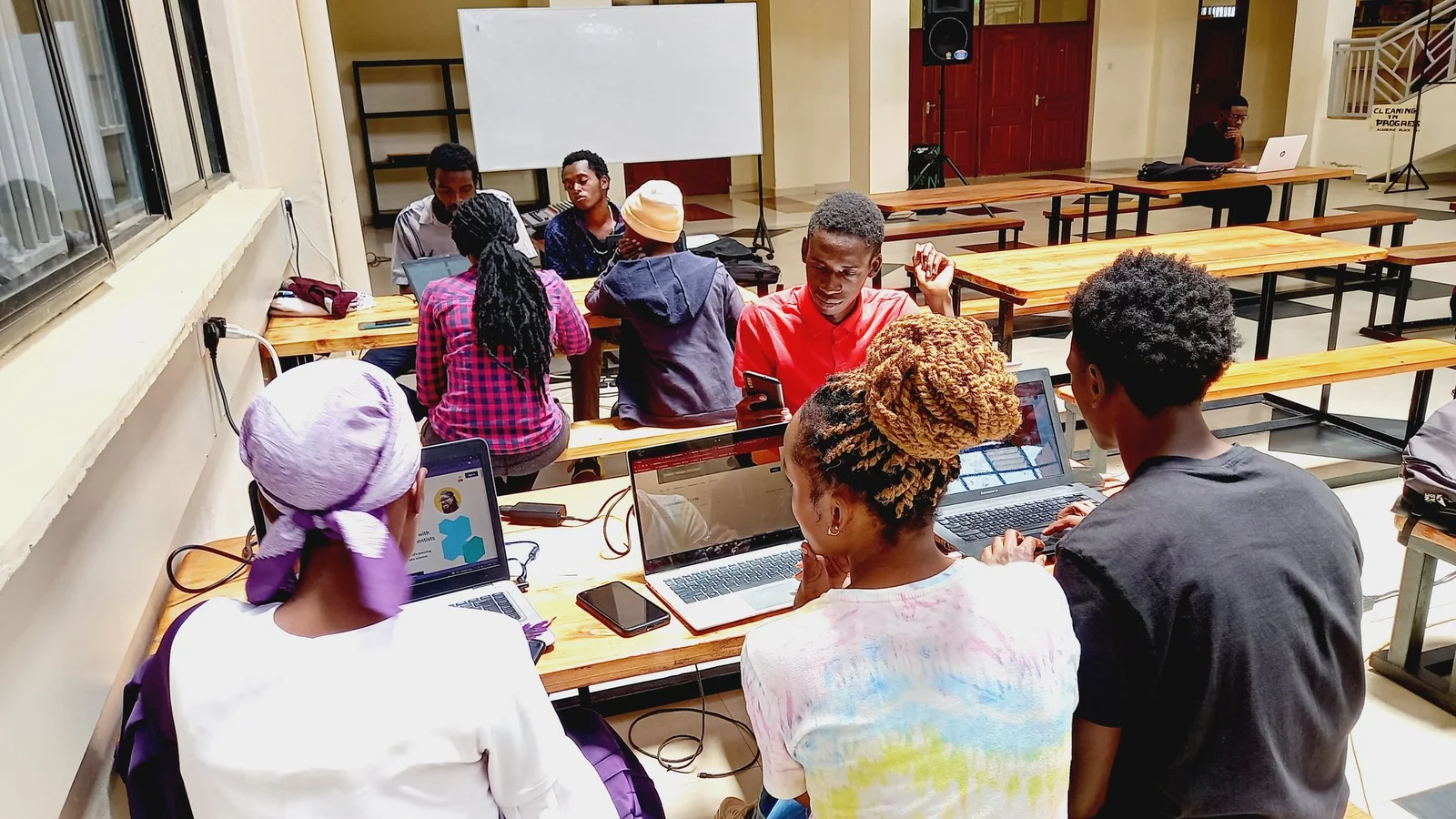
Junior Achievement Africa, with support from the ExxonMobil Foundation, launched the 2026 ExxonMobil Foundation STEM Africa Programme, tagged STEM Africa 2.0, to equip African students aged 14 to 17 with science, technology, engineering, mathematics and artificial intelligence skills. The initiative builds on a previous programme that reached more than 10,000 young people across Angola, Mozambique, Namibia and Nigeria, and now aims to train an additional 4,000 students through structured STEM competitions, innovation camps, mentorship and continental showcases linked to Africa Energy Week Conference.
DECISION HIGHLIGHT
The programme reflects growing institutional recognition that Africa’s future economic competitiveness may depend heavily on early-stage artificial intelligence and digital skills development.
DECISION MEMO
The launch of STEM Africa 2.0 signals increasing alignment between education, workforce preparation and technological transformation within Africa’s development agenda.
By integrating artificial intelligence literacy into secondary school STEM learning, Junior Achievement Africa and the ExxonMobil Foundation are responding to a widening concern that African education systems risk lagging behind global workforce transitions increasingly shaped by automation, data systems and digital productivity tools.
The programme’s structure, combining competitions, mentorship, practical problem-solving and innovation camps, also reflects a broader shift away from theory-heavy educational models toward experiential learning frameworks linked directly to employability and innovation outcomes.
Simi Nwogugu, President and Chief Executive Officer of Junior Achievement Africa, stated: “The future of Africa will be shaped by the ideas, ingenuity, and leadership of its young people. Through STEM Africa 2.0, we are not only strengthening STEM competencies but also opening pathways into artificial intelligence and innovation.”
“This is about ensuring that young people across the continent are prepared to lead, create, and solve problems that matter, both locally and globally,” Nwogugu also said.
The emphasis on artificial intelligence additionally reflects rising awareness that future competitive advantages may increasingly emerge from digital capability ownership rather than resource extraction alone.
Alvin Abraham, President of the ExxonMobil Foundation, stated: “We believe that investing in young people is one of the most powerful ways to drive long-term economic growth and resilience. By supporting STEM Africa 2.0, we are helping to bridge the skills gap and enabling young people to engage with emerging technologies that will define the future of work.”
The initiative’s inclusion framework, particularly its focus on underserved communities and gender participation, further indicates growing pressure on education and technology programmes to address widening digital inequality risks across African societies.
The programme also strengthens the connection between multinational corporate social investment strategies and long-term workforce ecosystem development, especially within sectors linked to energy transition, sustainability and digital innovation.
DATA BOX
- Programme name: STEM Africa 2.0
- Lead institutions: Junior Achievement Africa and ExxonMobil Foundation
- Previous programme reach: more than 10,000 young people
- Countries previously covered: Angola, Mozambique, Namibia and Nigeria
- Additional students targeted in 2026: 4,000
- Target age bracket: 14–17 years
- Core focus areas:
- STEM education
- Artificial intelligence literacy
- Innovation training
- Digital skills development
- Learning structure:
- STEM and AI quizzes
- Zonal competitions
- National innovation camps
- Continental showcase at Africa Energy Week Conference
- Additional priorities: mentorship, inclusion, gender balance, monitoring and evaluation
WHO WINS / WHO LOSES
Winners:
- African students gaining early digital and AI exposure
- Technology and innovation ecosystems requiring skilled talent
- Employers in emerging digital sectors
- Underserved communities benefiting from inclusion-focused education access
Losers:
- Education systems slow to adapt to digital workforce realities
- Economies dependent on low-skill labour competitiveness
- Young populations excluded from technology-driven opportunities
POLICY SIGNALS
The programme signals increasing convergence between education policy, workforce development and digital transformation priorities across Africa. It also reflects growing institutional focus on artificial intelligence readiness as part of long-term economic resilience planning.
INVESTOR SIGNAL
The initiative reinforces the importance of human capital investment within Africa’s technology and innovation narrative. Programmes linking STEM education with employability and digital capability development may improve long-term investor confidence around Africa’s future workforce competitiveness.
RISK RADAR
Key risks include unequal access to digital infrastructure, inconsistent education quality, funding sustainability and the difficulty of scaling practical STEM learning across underserved regions. Long-term impact will also depend on whether educational ecosystems, labour markets and technology infrastructure evolve fast enough to absorb emerging talent pipelines.
Discover more from StakeBridge Media
Subscribe to get the latest posts sent to your email.