

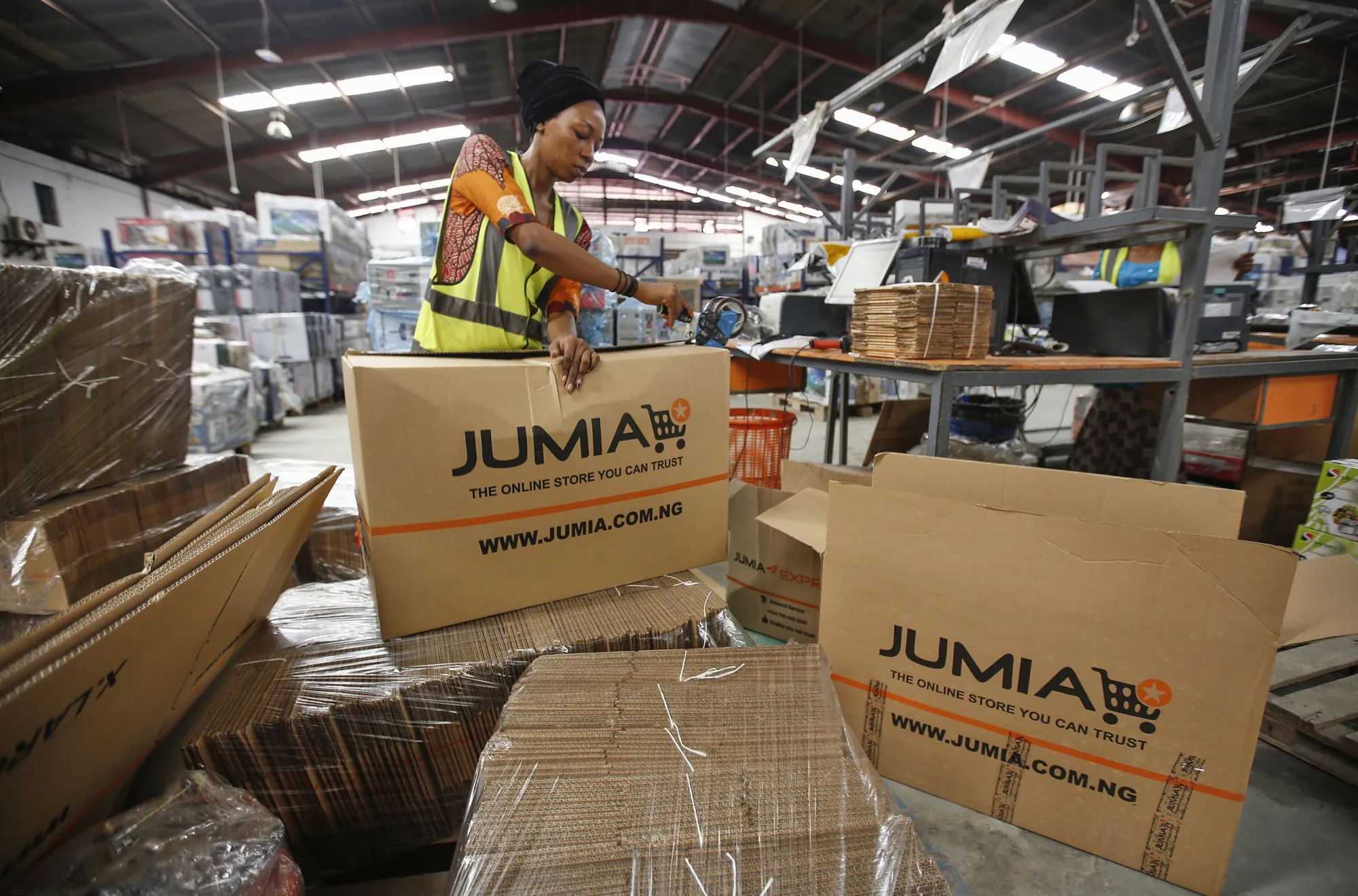
By Olumide Johnson
The International Finance Corporation (IFC), the private-sector arm of the World Bank Group, has committed $25 million in equity to Jumia Technologies AG to strengthen digital commerce infrastructure across its eight African markets. Announced on August 13, 2026, the investment is intended to expand Jumia’s marketplace, logistics and payment capabilities, supporting about 60,000 annual active sellers, 1,800 direct jobs and income opportunities for more than 100,000 independent sales agents.
DECISION HIGHLIGHT
The investment places digital commerce infrastructure within the development-finance agenda, using a private-sector platform to widen market access for small businesses while strengthening the systems through which commerce, logistics and payments operate.
DECISION MEMO
The significance of the IFC investment extends beyond Jumia’s corporate financing. It reflects a development-finance assessment that digital commerce infrastructure can function as an economic intermediary, connecting fragmented African businesses to consumers, logistics networks and payment systems at scale.
Jumia already operates an integrated marketplace, logistics network and payment infrastructure across eight African countries. Its platform connects more than 60,000 sellers with consumers, making the investment relevant not only to e-commerce expansion but also to the capacity of small enterprises to access markets beyond their immediate geographic reach.
Jumia Chief Executive Officer, Francis Dufay, said: “The support of the World Bank Group is a milestone for Jumia and for African e-commerce more broadly. It validates both the discipline we have brought to our business in recent years and the tangible impact our platform has on small businesses, jobs, and consumers across our eight markets.”
Dufay added: “With partners like the IFC, we can accelerate the digital commerce infrastructure Africa needs.”
The investment therefore targets an infrastructure gap rather than merely transaction volumes. Reliable marketplaces, delivery networks and digital payments can reduce the friction between production and consumption, potentially improving sales, productivity and price transparency for smaller businesses.
IFC Director for Equity, Funds and Venture Capital, Farid Fezoua, said: “Jumia demonstrates how pan-African e-commerce platforms can expand economic opportunity at scale. Our investment supports the company’s next phase of growth while contributing to creating jobs, digitising supply chains and distribution channels and mobilising private investment.”
The wider implication is the use of development capital to crowd in commercial activity. The IFC committed a record $71.7 billion to private companies and financial institutions in developing countries in its 2025 financial year. The Jumia transaction places digital commerce alongside broader efforts to use private-sector platforms to address market-access constraints.
However, the investment’s economic impact will depend on whether stronger infrastructure produces sustained growth in seller activity, transaction efficiency, employment and access to consumers. The headline capital commitment is therefore less important than the scale and durability of the economic activity it enables.
DATA BOX
- IFC equity investment: $25 million.
- Jumia markets: 8 African countries.
- Annual active sellers targeted: approximately 60,000.
- Direct jobs supported: approximately 1,800.
- Independent sales agents: more than 100,000.
- IFC 2025 financial-year commitments: $71.7 billion.
- Core infrastructure: marketplace, logistics and payment gateways.
WHO WINS / WHO LOSES
Small businesses and independent sales agents stand to gain from wider market access and stronger digital infrastructure. Consumers could benefit from broader product availability and improved price transparency.
The principal pressure falls on businesses and distribution models unable to compete efficiently as digital marketplaces, logistics and payment systems become more integrated.
POLICY SIGNALS
Development finance is increasingly treating digital commerce as economic infrastructure rather than simply a retail channel. The emphasis is on connecting smaller enterprises to markets, payments and distribution systems capable of supporting wider private-sector participation.
INVESTOR SIGNAL
The transaction reinforces the investment case for scalable platforms that combine commerce, logistics and payments. For investors, the key variables will be seller productivity, transaction growth, infrastructure efficiency, monetisation and the ability to convert digital reach into sustainable cash-generating activity.
RISK RADAR
The principal risks are execution across eight markets, the cost and reliability of logistics and payments infrastructure, and the ability of Jumia’s platform to translate expanded capacity into profitable growth. Development impact will ultimately depend on sustained economic activity rather than the size of the capital injection alone.
Discover more from StakeBridge Media
Subscribe to get the latest posts sent to your email.