

By Johnson Emmanuel
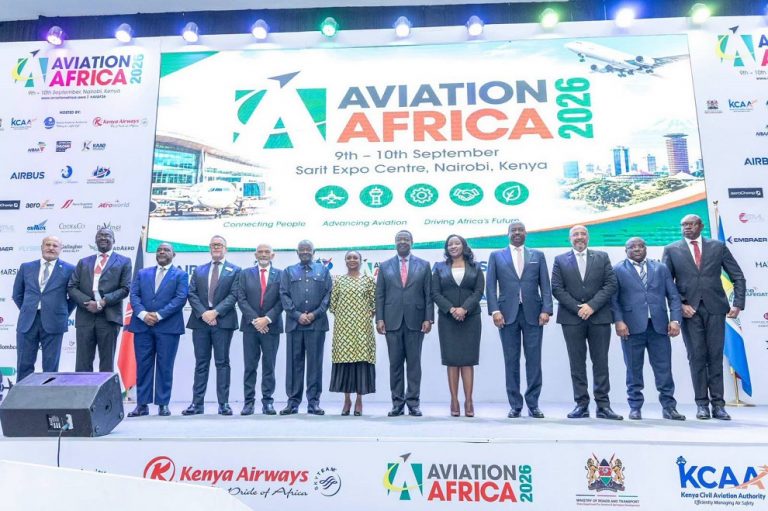
The African Airlines Association (AFRAA) disclosed at a media roundtable in Nairobi, Kenya, that governments globally were holding an estimated $774million in blocked airline funds as of March 2026, with Africa accounting for the largest regional exposure. AFRAA, whose 50 member airlines carry more than 85 percent of international traffic among African carriers, said the constraint is occurring alongside a projected 0.2 percent industry profit margin, high taxes and charges, conflict-driven airspace restrictions and inadequate aircraft and infrastructure access.
DECISION HIGHLIGHT
AFRAA is pressing governments and regional institutions to treat airline liquidity, market liberalisation, infrastructure and fleet financing as interconnected constraints on African aviation competitiveness.
DECISION MEMO
The $774million blocked-funds position exposes a liquidity problem within an industry that is simultaneously being asked to support continental trade, tourism and economic integration. The problem is compounded by a cost structure that leaves African carriers with little capacity to absorb external shocks.
AFRAA Secretary General, Mr Berthé, said: “African aviation is ready to deliver on its promise to connect our economies, move our trade, and carry the growth that this continent’s youth and enterprise are already generating. But readiness is not the same as capacity. Our airlines are being asked to carry that promise on some of the thinnest margins in the world, while absorbing costs, blocked funds and shocks that carriers elsewhere simply do not face.”
The underlying economics are stark. Passenger traffic is projected to rise 21.5 percent to 137.3 million in 2026, yet capacity growth is outpacing demand. Taxes, fees and charges consume 35 to 40 percent of ticket prices, compared with roughly 20 percent globally.
Operational fragmentation adds another layer. Conflict-related closures have created a roughly 4,000-kilometre no-fly corridor across parts of the Sahel, Niger, Mali, Sudan and Libya, forcing longer routes and higher fuel consumption.
AFRAA’s response therefore extends beyond releasing blocked funds. It is seeking aircraft-financing structures with African financial institutions, implementation of the Single African Air Transport Market, expanded intercontinental capacity and greater local maintenance capability.
The strategic objective is to retain more aviation value within Africa while improving the economics required for airlines to expand sustainably.
DATA BOX
- Blocked airline funds globally: $774m
- African airline profit margin forecast: 0.2 percent, 2026
- Passenger traffic: 137.3m, up 21.5 percent
- Taxes, fees and charges: 35-40 percent of African ticket prices
- African share of intercontinental capacity: 37.6 percent
- Global aircraft deliveries received by Africa: 2.0 percent
- Aircraft and airport infrastructure requirement: $25bn-$30bn over 10 years
- Overseas aircraft maintenance spending: $1.8bn annually
- 2025 accident rate: 7.86 per million flights, down from 12.13
WHO WINS / WHO LOSES
Potential winners: Governments that release trapped airline revenues, African financiers, aircraft lessors, maintenance providers and carriers able to expand under improved market access.
Losers: Airlines facing blocked liquidity, high fiscal charges, restricted airspace and limited fleet access bear the immediate costs, while passengers ultimately absorb part of the burden through higher fares.
POLICY SIGNALS
AFRAA is signalling that SAATM commitments have limited economic value without actual market liberalisation. Its agenda also points towards regional financing mechanisms, stronger airspace integration and domestic maintenance capacity as aviation policy priorities.
INVESTOR SIGNAL
The combination of rising passenger demand and extremely thin margins suggests substantial latent market opportunity, but also elevated execution and policy risk. Aircraft finance, maintenance, airport infrastructure and aviation technology could benefit if regulatory and financing constraints ease.
RISK RADAR
The principal risks are continued blockage of airline revenues, excessive taxation, geopolitical airspace disruption, inadequate fleet renewal and weak implementation of SAATM. The central investment question is whether Africa can convert growing traffic into sustainable airline cash flow.
Johnson Emmanuel is a journalist, covering business, economic affairs and issues of significance to Nigeria’s corporate and public sectors.
Discover more from StakeBridge Media
Subscribe to get the latest posts sent to your email.