

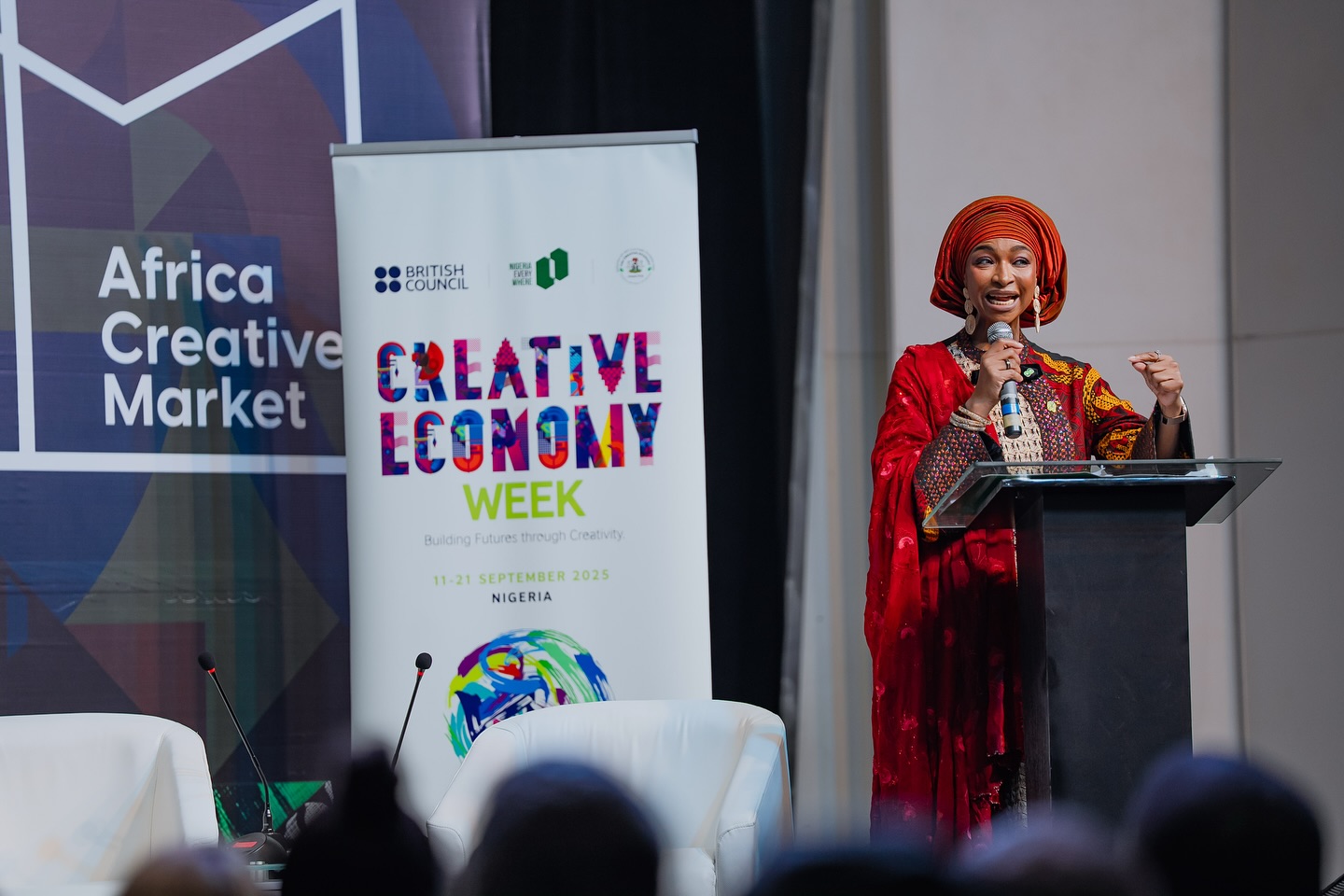
The federal government says it will begin preparations for Nigeria’s 2026 end-of-year festive season, popularly branded as Detty December, as early as March. The disclosure was made by Hannatu Musawa, Minister of Art, Culture and the Creative Economy, during a post-season review of the 2025 festivities on MIC ON, hosted by Seun Okinbaloye.
According to the minister, while the 2025 Detty December delivered strong tourism inflows and spending, it also exposed structural weaknesses that now require early, coordinated government intervention.
DECISION HIGHLIGHT
Decision authority: Federal Government of Nigeria
Lead ministry: Ministry of Art, Culture and the Creative Economy
Policy focus: Detty December 2026 planning
Start timeline: March 2026 planning cycle
Key intervention tool: Federal Executive Council coordination paper
Core objective: Sustain tourism gains while fixing capacity and pricing failures
DECISION MEMO
Beginning Detty December planning in March is less a celebratory signal than a policy admission. Nigeria’s festive economy has outgrown its informal coordination model, and the cracks are becoming too visible to ignore.
Musawa’s review of the 2025 season was notably candid. “We are doing an interrogation of the 2025 Detty December. I would say more positives than the negatives,” she said, before identifying the real pressure points. “The lack of accommodation and overpricing of the vendors… is the major issue on the table that we are looking at.”
The success of Detty December has created its own constraint. Lagos now commands global recognition as a December destination, but demand has overtaken supply. Hotel capacity, transport systems, pricing discipline, and visitor experience are lagging the brand Nigeria is exporting. What began as a cultural movement is now an economic asset facing classic infrastructure and regulation bottlenecks.
Musawa’s insistence on an early push reflects the need for inter-ministerial coordination that has so far been reactive rather than strategic. “The paper that is going to go out to the Federal Executive Council… is something that is going to start in March,” she said, underscoring that Detty December is no longer a private-sector-led season the government merely observes.
The policy ambition goes beyond Lagos. While acknowledging that “when you talk about December now anywhere in the world, Lagos is really the choice destination,” Musawa argued for geographic diversification. Calabar, Enugu, Plateau, and other locations are being positioned as secondary nodes to reduce pressure on Lagos and spread tourism revenue more evenly.
Yet expansion introduces its own risk. Without accommodation, transport links, and security infrastructure, decentralisation could dilute rather than deepen the experience. The minister’s call for more five-star and upper-class hotels highlights the scale of the gap, not its immediacy.
More sensitive is the issue of pricing. Musawa was explicit that unchecked vendor behaviour could erode Nigeria’s competitiveness. “The government has to come in to bring some sanity in terms of the pricing,” she said, warning that price gouging threatens to undo the gains of destination branding faster than poor marketing ever could.
DATA BOX
Planning start for Detty December 2026: March
Primary pressure points identified:
- Accommodation shortages
- Vendor overpricing
- Traffic congestion
Policy tools proposed:
- FEC coordination framework
- Creative sector endowment fund
- Hotel and infrastructure expansion
Key hub: Lagos
Proposed expansion zones: Calabar, Enugu, Plateau, South East corridors
WHO WINS / WHO LOSES
Creative industry players, event organisers, airlines, hospitality firms, and informal service providers stand to gain from earlier planning, improved funding, and stronger coordination.
Losers include consumers and tourists if pricing excesses persist. Smaller cities risk underdelivering on experience if expansion outpaces infrastructure readiness.
POLICY SIGNALS
The government is reclassifying Detty December from a cultural phenomenon to an economic program. Early planning, FEC involvement, and funding mechanisms signal institutionalisation of the festive economy.
At the same time, the language around pricing suggests a shift toward soft regulation in sectors previously left to market forces.
INVESTOR SIGNAL
For investors, the signal is clear. December tourism is no longer episodic; it is being positioned as a predictable annual economic cycle. Opportunities lie in hospitality, transport, venue development, and destination services, particularly outside Lagos.
However, pricing controls and regulatory intervention remain a risk factor for operators banking solely on peak-season margins.
RISK RADAR
Key risks include infrastructure lag, regulatory overreach on pricing, and reputational damage if visitor experience deteriorates. There is also the risk that early planning becomes bureaucratic rather than execution-driven.
Ultimately, starting Detty December planning in March is a recognition that Nigeria’s festive economy has matured. The real test is whether government coordination can scale supply and discipline pricing without dulling the spontaneity that made the season attractive in the first place.
Discover more from StakeBridge Media
Subscribe to get the latest posts sent to your email.