

By Jeremiah Obeche
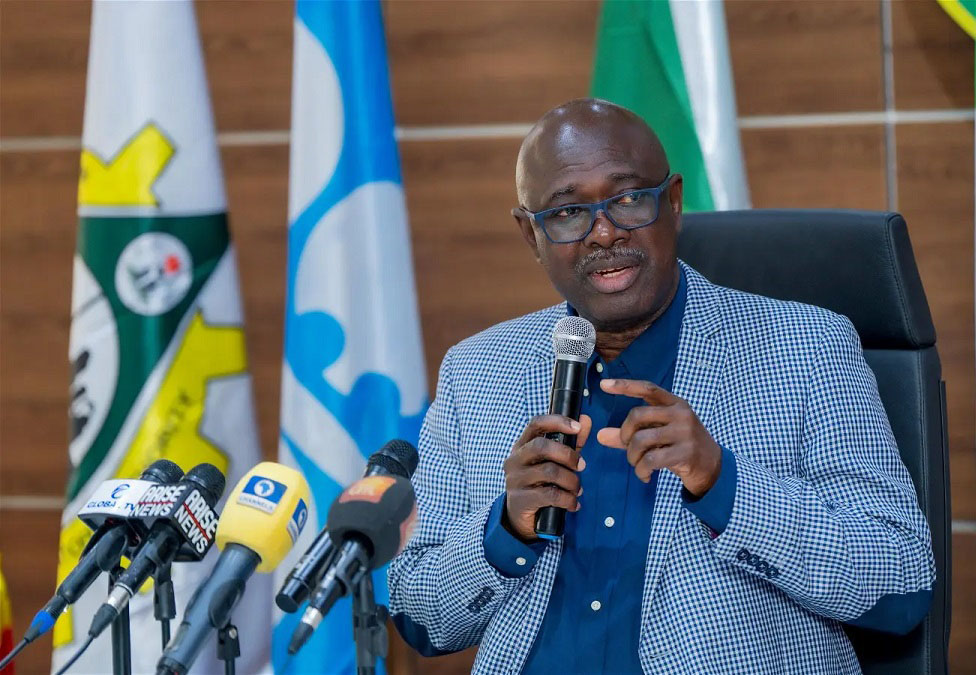
Nigeria and Senegal have recently initiated high-level bilateral engagement focused on deepening cooperation across the energy value chain. Senegal’s Minister of Energy, Birame Soulèye Diop, alongside executives from Petrosen, engaged with Nigeria’s Minister of State for Petroleum Resources, Dr. Heineken Lokpobiri, and the Nigerian National Petroleum Company (NNPC) Limited in Abuja.
The engagement centres on collaboration in refining, gas monetisation, upstream investment, and institutional development, reflecting a broader shift towards intra-African energy cooperation.
DECISION HIGHLIGHT
Nigeria and Senegal are repositioning from competitive hydrocarbon producers to collaborative partners, leveraging complementary assets to drive regional energy integration and industrial growth.
DECISION MEMO
The bilateral engagement reflects a structural shift in Africa’s energy strategy, where scale constraints, financing pressures, and infrastructure deficits are driving cross-border collaboration. Rather than competing for capital and market share, Nigeria and Senegal are aligning capabilities across refining, gas, and upstream development.
Nigeria’s refining expansion, anchored by large-scale domestic capacity, presents a downstream integration opportunity for Senegal, which remains reliant on imports. Conversely, Senegal’s rapid progress in liquefied natural gas development introduces complementary expertise to Nigeria’s gas monetisation agenda.
The engagement suggests a move towards shared value chains, where refining, gas processing, and distribution are regionally optimised rather than nationally siloed. This aligns with broader continental frameworks promoting intra-African trade and energy security.
Dr. Lokpobiri, and Diop are advancing a cooperation model that integrates policy alignment with commercial collaboration. The involvement of the NNPC and Petrosen indicates that the partnership is being structured at both governmental and operational levels.
The framework also intersects with emerging continental financing mechanisms, particularly the Africa Energy Bank, suggesting that capital mobilisation is being embedded into the partnership design.
However, the effectiveness of this collaboration will depend on execution clarity, particularly in structuring joint ventures, aligning regulatory regimes, and ensuring that shared projects are commercially viable. Without these, the partnership risks remaining declarative rather than transformative.
DATA BOX
- Nigeria upstream target: $10 billion investment
- Nigeria production target: 2 million barrels per day
- Nigeria upstream investment ambition: $30 billion by 2030
- Senegal production: ~100,000 barrels per day (Sangomar)
- Senegal output (2025): 36.1 million barrels
- Exploration campaign (Senegal): $100 million
- Nigeria gas initiatives: $2 billion
WHO WINS / WHO LOSES
Nigeria strengthens its position as a regional energy hub, leveraging scale and infrastructure.
Senegal gains access to refining capacity, technical expertise, and expanded market integration.
Private investors benefit from larger, cross-border project pipelines with potential risk-sharing structures.
However, standalone national operators may face competitive pressure as regional integration reshapes market dynamics.
POLICY SIGNALS
The partnership signals a transition from resource nationalism to regional coordination in Africa’s energy sector.
It reflects policy alignment with continental initiatives promoting intra-African trade, energy security, and industrialisation.
There is also a clear shift towards integrating financing mechanisms, such as the Africa Energy Bank, into project development frameworks.
INVESTOR SIGNAL
The collaboration provides a positive signal for investors seeking scale and diversification in African energy markets.
Cross-border partnerships may reduce project risk through shared infrastructure and aligned policy frameworks.
However, investor confidence will depend on clarity in governance structures, contract enforcement, and revenue-sharing mechanisms.
RISK RADAR
Execution risk remains high, particularly in coordinating joint projects across jurisdictions.
Regulatory misalignment risk persists, given differing national frameworks and approval processes.
Financing risk exists if capital mobilisation mechanisms do not match project timelines.
Market risk may arise if global energy demand shifts or pricing volatility affects project viability.
There is also coordination risk, as multi-actor partnerships require sustained institutional alignment to deliver outcomes.
Discover more from StakeBridge Media
Subscribe to get the latest posts sent to your email.