

By Johnson Emmanuel
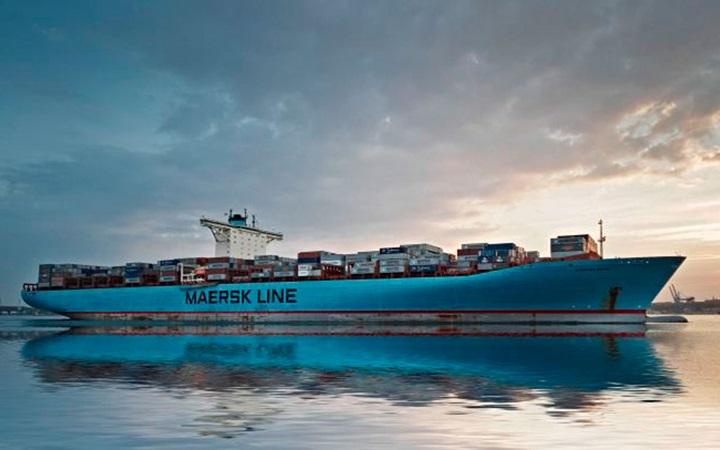
A.P. Moller–Maersk, a global container shipping operator, announced recently an immediate suspension of new cargo bookings to and from the Port of Berbera in Somaliland, citing scheduling changes. While existing shipments will proceed, the decision disrupts a key logistics corridor linking Berbera to Ethiopia’s import-dependent economy. Maersk stated it will “temporarily suspend acceptance of new bookings” while maintaining services through Djibouti, Mogadishu, and Mombasa.
DECISION HIGHLIGHT
Maersk has withdrawn incremental capacity from Berbera, redirecting cargo flows to alternative regional ports and altering trade routing dynamics.
DECISION MEMO
Maersk’s suspension introduces a supply-side shock to a corridor designed to reduce Ethiopia’s dependence on Djibouti. The Berbera route had emerged as a diversification channel, easing congestion and providing optionality within the Horn of Africa’s logistics network. Its disruption reverses part of that diversification.
The company’s reference to “scheduling changes” indicates operational recalibration rather than structural exit. However, even temporary withdrawal of booking capacity has immediate consequences in a system characterised by limited redundancy. Freight flows are likely to revert to Djibouti and Mombasa, both of which already operate under capacity constraints.
For Ethiopia, the implications are direct. As a landlocked economy with high import dependency, any disruption to port access translates into increased logistics costs and extended transit times. The corridor’s role in handling fuel, consumer goods, and construction materials makes it systemically important.
Berbera’s positioning as an emerging regional hub is also affected. Reduced vessel calls weaken throughput momentum and may slow investment confidence in associated infrastructure. The suspension therefore impacts not only current trade flows but also medium-term positioning of Somaliland within regional logistics networks.
Maersk’s assurance of continued service through alternative ports provides partial mitigation, but substitution is not frictionless. Infrastructure bottlenecks, inland transport constraints, and port congestion limit the speed and efficiency of rerouting.
The broader context of instability in Red Sea and Gulf of Aden shipping lanes adds an external risk layer. Routing decisions are increasingly influenced by security and operational considerations, making regional logistics systems more sensitive to carrier-level adjustments.
Overall, the suspension highlights the fragility of emerging trade corridors and the continued dominance of established gateways despite diversification efforts.
DATA BOX
- Operator: A.P. Moller–Maersk
- Action: Suspension of new bookings to/from Berbera
- Effective: April 2026, immediate
- Affected corridor: Berbera–Ethiopia inland trade route
- Unaffected: Existing shipments
- Alternative routes: Djibouti, Mogadishu, Mombasa
- Expected impacts:
- Increased freight costs
- Longer transit times
- Cargo diversion to congested ports
- Structural context: Ethiopia remains heavily reliant on coastal gateways
WHO WINS / WHO LOSES
Winners are alternative ports such as Djibouti and Mombasa through increased cargo volumes; competing carriers may capture displaced demand. Losers are Ethiopia’s import supply chain facing higher costs and delays, and Berbera port experiencing reduced throughput.
POLICY SIGNALS
The development underscores the need for resilient, multi-route logistics strategies in the Horn of Africa, with reduced reliance on single corridors.
INVESTOR SIGNAL
The disruption highlights both the opportunity and risk in emerging logistics hubs; infrastructure investments in diversified corridors remain viable but exposed to carrier behaviour and geopolitical factors.
RISK RADAR
Key risks include sustained congestion at alternative ports, prolonged cost inflation in regional trade, underutilisation of Berbera infrastructure, and continued exposure to shipping route instability in the Red Sea and Gulf of Aden.
Discover more from StakeBridge Media
Subscribe to get the latest posts sent to your email.