

By Olumide Johnson
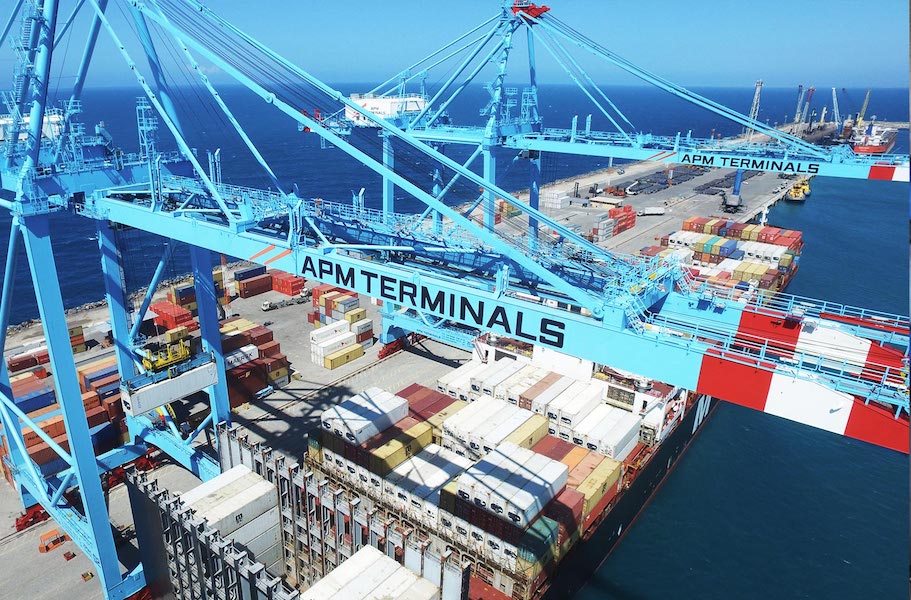
Ardova Plc recently partnered with APM Terminals Apapa at the Apapa Port, Lagos, to deploy an automated lubricant management system, the Modern Pulse Central Lubrication Dispensing System developed with Shell, aimed at improving equipment maintenance, reducing downtime, and enhancing operational efficiency at Nigeria’s busiest container terminal. The system introduces a closed-loop digital network for real-time monitoring and distribution of lubricants across heavy-duty assets such as cranes and reach stackers, with Ardova stating the initiative will “improve reliability and reduce operational downtime.”
DECISION HIGHLIGHT
The adoption of automated lubrication technology replaces manual maintenance processes with data-driven control systems to optimise port equipment performance.
DECISION MEMO
The Ardova Plc and APM Terminals Apapa collaboration reflects a targeted operational intervention rather than a broad infrastructure upgrade. By focusing on lubrication management, the partners are addressing a specific but critical inefficiency within port operations, equipment reliability.
The introduction of the Modern Pulse system signals a transition from manual, error-prone maintenance routines to digitally controlled processes. This shift is operationally significant. Lubrication, while often treated as a routine function, directly influences equipment lifespan, servicing intervals, and downtime frequency. Automating this layer introduces consistency and traceability into maintenance cycles.
Ardova Plc’s role extends beyond supply into systems integration, indicating a move towards value-added service provision within the downstream petroleum segment. For APM Terminals Apapa, the benefit is primarily throughput stability. Reduced downtime in cranes and handling equipment translates into improved vessel turnaround times and cargo processing efficiency.
The involvement of Shell introduces technical standardisation, aligning the system with global best practices in industrial lubrication management. This triangulated partnership suggests an attempt to localise international operational standards within Nigeria’s port environment.
The broader implication is incremental modernisation. Rather than large-scale capital expenditure, the initiative demonstrates how targeted technology deployment can yield measurable efficiency gains. However, its impact remains bounded. Lubrication optimisation alone cannot resolve systemic port congestion or logistics bottlenecks beyond terminal operations.
The project aligns with the emerging “smart port” model, where digital systems are layered onto existing infrastructure to improve performance metrics without full-scale physical expansion. Its success will depend on consistency of use, data integrity, and integration with wider port management systems.
DATA BOX
- Location: Apapa Port, Lagos
- Partners: Ardova Plc, APM Terminals Apapa, Shell
- Technology: Modern Pulse Central Lubrication Dispensing System
- Function: Automated, closed-loop lubricant distribution and monitoring
- Target assets: Cranes, reach stackers, heavy-duty port equipment
- Reported outcomes:
- Reduced lubricant losses
- Improved equipment uptime
- Faster maintenance turnaround
- Enhanced workplace safety
- Strategic context: Transition towards “smart port” operations
WHO WINS / WHO LOSES
Winners are APM Terminals Apapa through improved operational efficiency, Ardova Plc through expanded service integration, and port users benefiting from potentially faster cargo handling. Manual maintenance processes and informal inventory practices lose relevance.
POLICY SIGNALS
The initiative reflects a gradual shift within Nigeria’s maritime sector towards technology-driven efficiency improvements without immediate reliance on large-scale public infrastructure expansion.
INVESTOR SIGNAL
The partnership highlights opportunities in industrial automation, maintenance technologies, and service-based energy solutions within port and logistics ecosystems.
RISK RADAR
Key risks include limited scalability beyond maintenance functions, dependence on consistent system adoption, and minimal impact on broader structural constraints such as port congestion and external logistics inefficiencies.
Discover more from StakeBridge Media
Subscribe to get the latest posts sent to your email.