

By Kingsley Ani
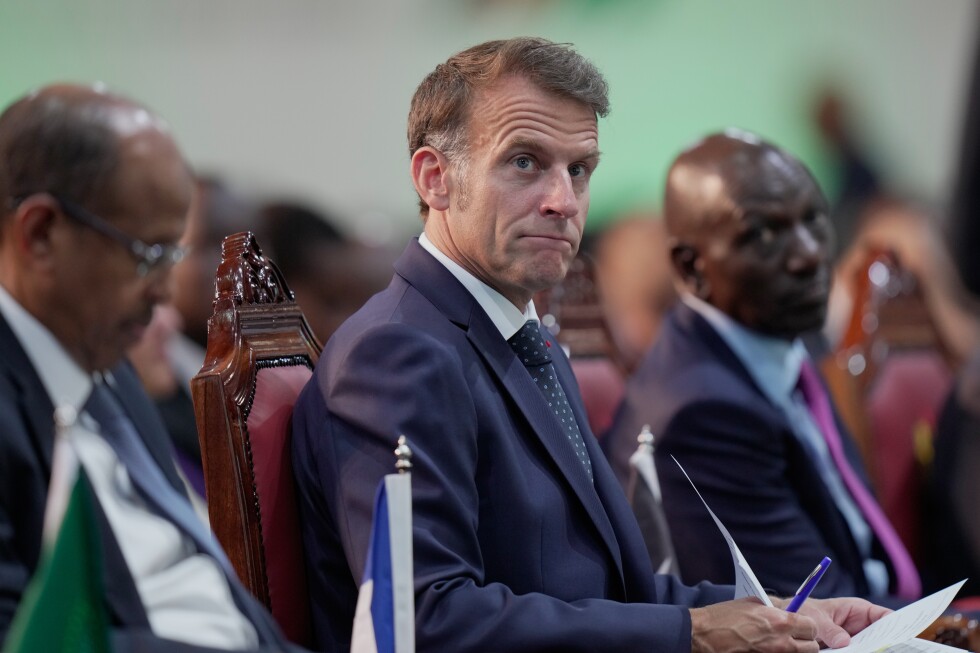
French President, Emmanuel Macron, recently announced at the Africa Forward Summit in Nairobi that the France-Africa Summit mobilised €23 billion in investment commitments aimed at deepening commercial and investment relations across Africa. According to him, the commitments comprise €14 billion from French companies and €9 billion from African entrepreneurs and investors. The summit convened more than 30 African heads of state and about 7,000 delegates, including corporate executives, policymakers and investors, amid intensifying global competition for African infrastructure, energy, manufacturing, technology and critical mineral opportunities.
DECISION HIGHLIGHT
The summit reflects France’s strategic attempt to reposition its African engagement model from state-centric influence toward commercially driven partnership diplomacy.
DECISION MEMO
The €23 billion mobilisation signals France’s effort to recalibrate its economic and geopolitical relevance in Africa at a time when traditional influence structures are increasingly contested by China, Gulf states and the United States.
Beyond the headline commitments, the summit underscores a broader transition in how European powers are approaching African markets. Rather than relying primarily on political alliances or development financing, France appears to be shifting toward private-sector-led capital engagement anchored on infrastructure, industrial investment and entrepreneurship partnerships.
Macron described the commitments as “a big first,” framing the summit as evidence of evolving economic alignment between French and African commercial actors.
His statement that “this is not a top-down agenda from Africa to Europe” and “it’s an equal partnership” reflects growing recognition within European diplomacy that transactional parity and co-investment narratives are becoming increasingly important in African geopolitical engagement.
The scale of African-origin commitments, €9 billion from African entrepreneurs and investors, also suggests that intra-African capital participation is becoming a more visible component of international investment platforms involving the continent.
The Nairobi summit further illustrates how Africa’s expanding demographic scale, resource base and infrastructure deficits are intensifying strategic competition among global powers seeking long-term commercial positioning across emerging sectors tied to energy transition, logistics, digital infrastructure and industrial supply chains.
DATA BOX
- Total investment commitments announced: €23 billion
- Commitments from French companies: €14 billion
- Commitments from African investors and entrepreneurs: €9 billion
- Summit location: Nairobi, Kenya
- African heads of state in attendance: more than 30
- Total delegates: approximately 7,000
- Core investment sectors referenced: infrastructure, energy, technology, manufacturing, critical minerals
- Key geopolitical competitors in Africa: France, China, United States, Gulf states
WHO WINS / WHO LOSES
Winners:
- African infrastructure and industrial sectors seeking long-term capital
- French corporations expanding frontier market exposure
- African entrepreneurs participating in cross-border investment structures
- Governments pursuing diversified external investment partnerships
Losers:
- Traditional aid-dependent engagement models
- Competitors lacking strong private-sector financing platforms
- Economies unable to provide stable investment frameworks
POLICY SIGNALS
The summit signals deeper integration of commercial diplomacy into France’s Africa strategy. It also reflects broader international movement toward investment-led geopolitical engagement centred on infrastructure, industrialisation and strategic resource access.
INVESTOR SIGNAL
The scale of commitments reinforces perceptions that Africa remains a priority long-term growth frontier for institutional and corporate capital despite geopolitical and macroeconomic risks. Increased African co-investment participation may also improve confidence around local market alignment and project ownership structures.
RISK RADAR
Execution risks remain significant across African investment markets, particularly around political stability, regulatory consistency, currency volatility, debt sustainability and project governance. Intensifying geopolitical competition may also complicate alignment between commercial objectives and sovereign policy priorities across participating African states.
Discover more from StakeBridge Media
Subscribe to get the latest posts sent to your email.