

By Kingsley Ani
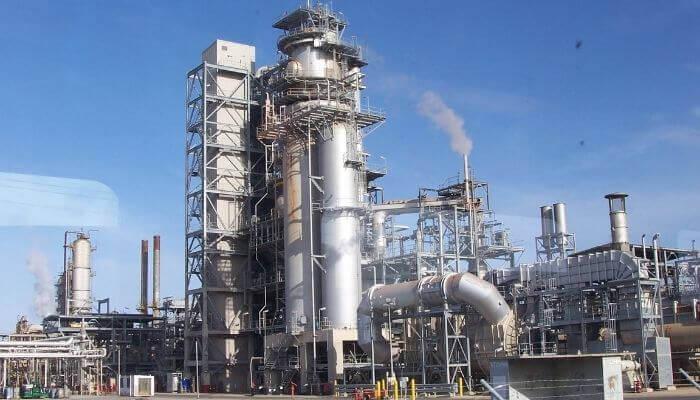
The Dangote Petroleum Refinery is expanding its 650,000-barrel-per-day facility in Nigeria by deploying Honeywell International Inc. process technology to produce 400,000 metric tonnes of Linear Alkylbenzene annually, targeting import substitution in detergent inputs and integrating into higher-margin petrochemical value chains.
DECISION HIGHLIGHT
The refinery is shifting from fuel production to downstream petrochemical integration, leveraging technology partnerships to capture value in import-dependent industrial inputs.
DECISION MEMO
The refinery is executing a vertical integration strategy that extends beyond refining into petrochemicals, where margins and value retention are structurally higher. By introducing Linear Alkylbenzene production, the refinery is repositioning itself within the chemicals value chain, targeting a segment historically dominated by imports.
The partnership with Honeywell International Inc. introduces process efficiency and technical credibility, reducing execution risk associated with complex petrochemical conversion. This aligns with global refinery trends, where integrated complexes diversify revenue streams beyond fuels.
The move also reflects a substitution strategy aimed at domestic industrial inputs. Linear Alkylbenzene, a core feedstock for detergents, represents a recurring demand segment tied to consumer goods. By localising production, the refinery potentially compresses import bills while stabilising supply chains for manufacturers.
Parallel expansion into polypropylene, scaled towards 2.4 million metric tonnes annually, and fertiliser production indicates a broader portfolio diversification. This suggests a deliberate pivot towards a multi-product industrial complex, rather than a single-stream refining operation.
However, the transition introduces execution complexity, requiring sustained feedstock efficiency, technical uptime, and market absorption. The ability to competitively price outputs against imports will determine the extent of domestic substitution and export viability.
DATA BOX
- Refining capacity: 650,000 barrels per day
- Linear Alkylbenzene output: 400,000 metric tonnes annually
- Technology provider: Honeywell International Inc.
- Polypropylene capacity target: 2.4 million metric tonnes annually
- Strategic focus: Petrochemical integration, import substitution, value chain expansion
- Market target: Detergent and cleaning product manufacturers
WHO WINS / WHO LOSES
The Dangote Petroleum Refinery gains expanded revenue streams and margin diversification. Domestic manufacturers benefit from local input supply and reduced import dependence. Importers of petrochemical inputs face displacement risk. Consumers may benefit indirectly from stabilised supply chains.
POLICY SIGNALS
The expansion aligns with industrial policy objectives around import substitution and domestic value addition. It reinforces a shift towards integrated industrial production within Nigeria’s hydrocarbons sector.
INVESTOR SIGNAL
The strategy signals a move towards higher-margin, diversified operations, enhancing long-term asset value. Investors are likely to view petrochemical integration as a hedge against volatility in fuel markets.
RISK RADAR
Execution risk is elevated due to technical and operational complexity. Market risk depends on domestic demand absorption and pricing competitiveness. Supply chain risk persists around feedstock consistency. Global price competition may constrain export margins.
Discover more from StakeBridge Media
Subscribe to get the latest posts sent to your email.