

By Hannah Yemisi
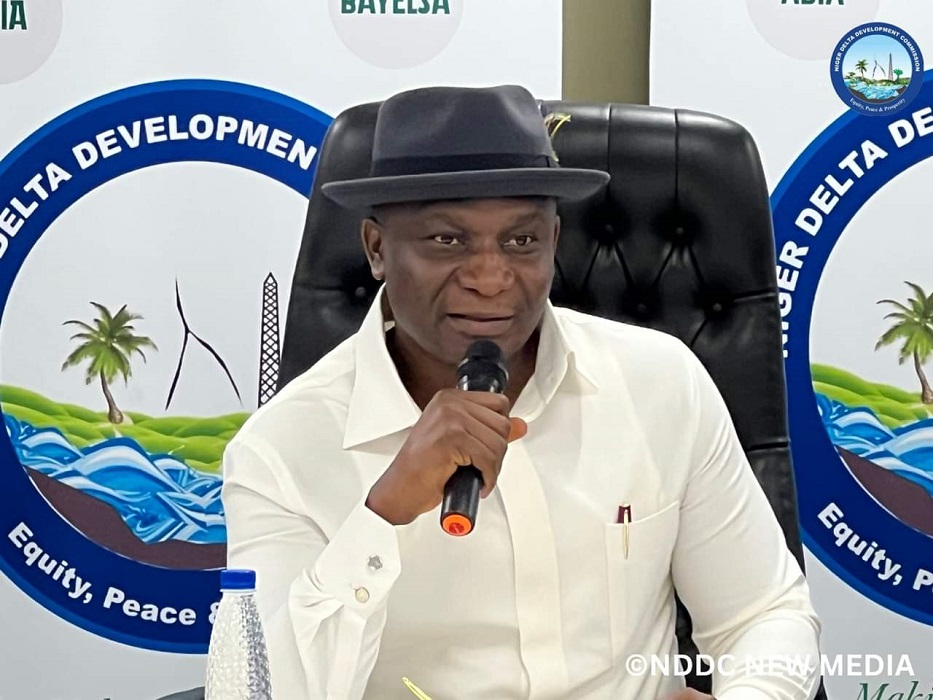
The Managing Director of the Niger Delta Development Commission (NDDC), Dr. Samuel Ogbuku, has stated that ongoing institutional reforms and digitisation initiatives within the commission are designed to improve operational efficiency, transparency and service delivery across the Niger Delta region.
According to the recent statement issued by Director of Corporate Affairs, Mrs. Seledi Thompson-Wakama, Ogbuku made the remarks during a visit to the commission’s office in Yenagoa.
He said that the reforms formed part of broader management efforts aimed at repositioning the commission and modernising internal operations.
“The reforms will streamline workflow processes and eliminate bureaucratic bottlenecks affecting service delivery,” he stated.
“The digitisation programme will promote transparency, accountability and operational efficiency within the commission,” he added.
Ogbuku also urged staff members to support the reform agenda, stressing that workforce cooperation remained central to achieving sustainable development outcomes within the region.
DECISION HIGHLIGHT
The NDDC is intensifying internal reforms and digital transformation initiatives to modernise administrative systems, improve institutional accountability and strengthen project delivery capacity.
The reforms also signal growing emphasis on governance restructuring within regional development institutions.
DECISION MEMO STORY
The latest reform push within the NDDC reflects a broader institutional transition increasingly taking place across public sector agencies in Nigeria, where digital transformation and administrative restructuring are becoming central tools for improving governance performance and operational credibility.
For years, development intervention agencies have faced persistent criticism over bureaucratic delays, weak project execution, transparency concerns and inefficient service delivery systems.
The NDDC’s digitisation initiative appears designed to address some of those structural weaknesses by reducing manual administrative processes and improving workflow coordination.
According to Ogbuku, the reforms are intended to eliminate bureaucratic bottlenecks affecting operational responsiveness.
The emphasis on digitisation is particularly significant because it suggests movement toward more data-driven and process-oriented institutional management structures within the commission.
Digital systems potentially improve project tracking, documentation, workflow monitoring and administrative accountability while reducing discretionary inefficiencies commonly associated with paper-based operations.
Equally important is the governance dimension of the reform effort.
By linking digitisation directly to transparency and accountability objectives, the NDDC is attempting to strengthen institutional legitimacy within a region where public development agencies frequently operate under intense scrutiny over project execution and resource utilisation.
The initiative also reflects wider public sector modernisation trends across Nigeria, where government institutions are increasingly adopting technology-driven administrative systems to improve efficiency, reduce delays and strengthen public confidence.
Ogbuku’s emphasis on staff participation further highlights the operational reality that institutional reform outcomes often depend not only on technology deployment, but also on workforce adaptation and internal organisational alignment.
“The commitment of members of staff remains central to our drive towards delivering sustainable development projects and improved living standards for the people,” he also stated.
Support expressed by Director of the NDDC Bayelsa Office, Mr. Godknows Alamieyeseigha, also suggests attempts to build internal consensus around the reform process.
For the NDDC, the broader implication is that operational credibility and developmental impact are increasingly being linked to institutional efficiency, transparency systems and governance modernisation rather than project spending alone.
DATA BOX
- Institution: Niger Delta Development Commission
- Reform Focus Areas:
- Digitisation
- Workflow streamlining
- Transparency enhancement
- Administrative efficiency
- Institutional modernisation
- Event Location: Yenagoa
- Key Governance Objectives:
- Eliminate bureaucratic bottlenecks
- Improve accountability
- Strengthen service delivery
- Enhance staff engagement
- Key Officials Referenced:
- Dr. Samuel Ogbuku
- Mrs. Seledi Thompson-Wakama
- Mr. Godknows Alamieyeseigha
- Strategic Outcome Sought:
- Sustainable development project delivery
- Improved living standards in the Niger Delta region
WHO WINS / WHO LOSES
Potential Winners:
- Communities benefiting from improved project delivery
- NDDC administrative systems and operational processes
- Staff adapting to digital workflow systems
- Contractors operating within clearer governance frameworks
Potential Losers:
- Inefficient manual administrative processes
- Internal bottlenecks slowing project implementation
- Actors benefiting from weak transparency systems
- Legacy operational structures resistant to reform
POLICY SIGNALS
The reforms signal increasing government focus on institutional efficiency and governance modernisation within regional intervention agencies.
The digitisation drive also reflects broader public sector movement toward technology-enabled accountability and administrative transparency.
The emphasis on workflow restructuring suggests growing recognition that operational governance reforms are central to development effectiveness.
INVESTOR SIGNAL
For development partners and institutional stakeholders, the reforms may improve confidence in the NDDC’s operational systems and project execution capacity.
Digitisation and administrative modernisation could also strengthen monitoring standards and reduce governance-related inefficiencies over time.
However, long-term credibility will depend on implementation consistency and measurable operational improvements.
RISK RADAR
- Resistance to internal organisational change
- Weak implementation of digital systems
- Capacity gaps in workforce adaptation
- Technology infrastructure limitations
- Institutional continuity risks
- Persistent governance and accountability concerns
- Delays in translating reforms into measurable project outcomes
Discover more from StakeBridge Media
Subscribe to get the latest posts sent to your email.