

By Ayo Susan
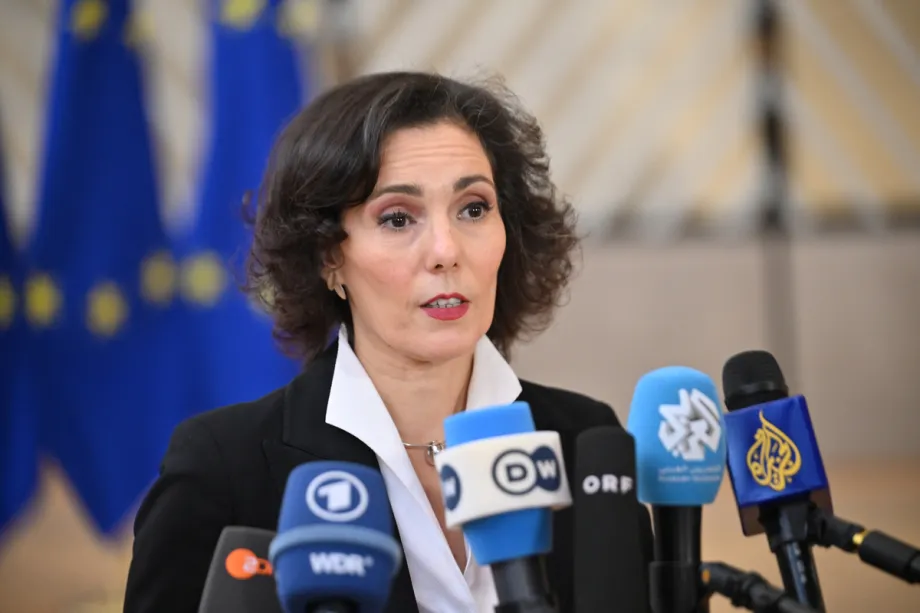
The European Commissioner for Equality, Preparedness and Crisis Management, Hadja Lahbib, recently announced that the European Commission committed €235 million (about $256 million) in humanitarian funding for West and Central Africa, targeting conflict-affected and food-insecure populations across the Central Sahel, Nigeria, Chad, Cameroon, and the Central African Republic. The intervention channels resources into emergency food aid, health, nutrition, shelter, water and sanitation, and education services. Then Lahbib stated that the region faces “a storm of humanitarian crises” driven by conflict, poverty, and climate shocks.
DECISION HIGHLIGHT
The European Commission has scaled humanitarian financing to address multi-country crises, prioritising food security, displacement response, and basic services delivery.
DECISION MEMO
The €235 million allocation reflects a response to converging humanitarian pressures rather than a singular crisis. Conflict, climate variability, and economic fragility are interacting to produce sustained displacement and acute food insecurity across West and Central Africa.
Lahbib’s characterisation of a “storm of humanitarian crises” captures the systemic nature of the challenge. The Central Sahel, receiving €75 million, remains the focal point, with over 12.4 million people requiring assistance. This concentration of funding indicates prioritisation of regions where conflict and governance breakdown are most acute.
Nigeria’s allocation of €33 million highlights the scale of domestic food insecurity within a large economy. With nearly 35 million people requiring emergency food assistance and 6.4 million children acutely malnourished, the intervention addresses both immediate survival needs and long-term human capital risks.
Chad’s funding reflects spillover effects from the Sudan conflict, with over 919,000 refugees and 390,000 returnees. This underscores the regional transmission of crises, where instability in one country imposes humanitarian and fiscal burdens on neighbouring states.
The distribution of funds across multiple countries and sectors indicates a multi-layered response strategy, combining emergency relief with resilience-building measures such as disaster preparedness and support for host communities. However, the scale of funding remains modest relative to the magnitude of need.
The broader implication is that humanitarian financing is increasingly functioning as a stabilisation tool in regions where development frameworks are constrained by insecurity. The European Commission’s intervention signals continued external reliance in addressing systemic vulnerabilities.
DATA BOX
- Total funding: €235 million ($256 million)
- Central Sahel: €75 million; 12.4 million people in need
- Nigeria: €33 million; 35 million people need food assistance; 6.4 million children malnourished
- Chad: €72 million; over 919,000 refugees; 390,000 returnees
- Cameroon: €16.6 million; nearly 3 million people in need
- Central African Republic: €22 million; influx of refugees and returnees
- Mauritania: €4.8 million; over 400,000 refugees and asylum seekers
- Coastal West Africa: €6 million
- Regional initiatives: €6.4 million
- Intervention areas: Food aid, health, nutrition, shelter, water and sanitation, education
WHO WINS / WHO LOSES
Winners are vulnerable populations receiving life-saving assistance and host communities benefiting from support services; governments gain fiscal relief. The primary losers are regions where funding remains insufficient relative to escalating needs.
POLICY SIGNALS
The European Union is signalling sustained humanitarian engagement in Africa, with emphasis on multi-sectoral interventions and regional crisis management.
INVESTOR SIGNAL
The scale of humanitarian need underscores persistent instability risks in affected regions, limiting near-term investment attractiveness while highlighting long-term opportunities in resilience and infrastructure.
RISK RADAR
Key risks include funding gaps relative to demand, prolonged conflict dynamics, climate shocks intensifying food insecurity, and dependency on external aid for basic service delivery.
Discover more from StakeBridge Media
Subscribe to get the latest posts sent to your email.