

By Johnson Emmanuel
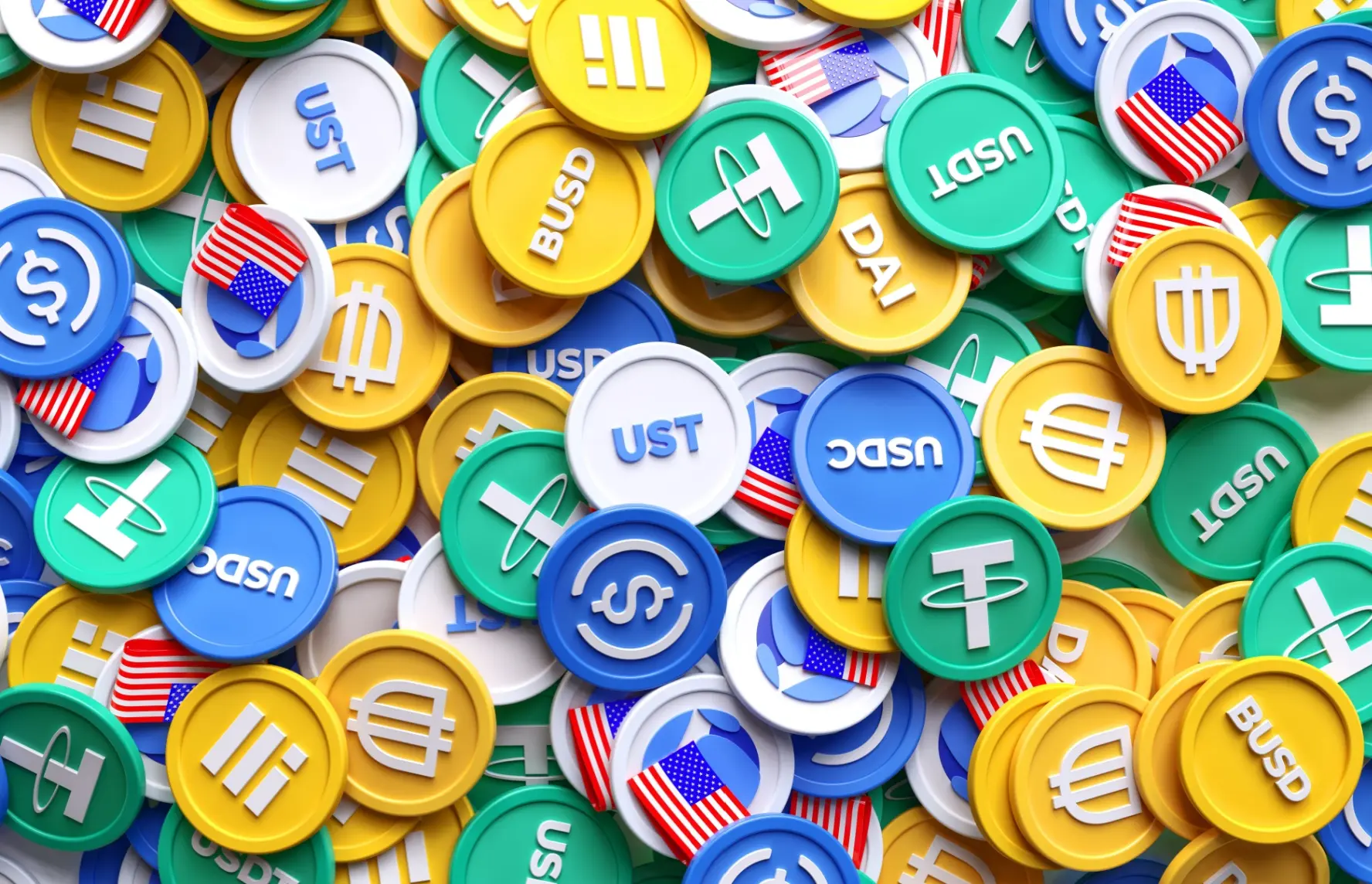
Nigeria’s adoption of USDT (Tether) and other dollar-pegged stablecoins accelerated in 2026, reinforcing the country’s position as Africa’s largest stablecoin market amid rising demand for digital dollar alternatives and cross-border payment tools.
Google Trends data ranked Nigeria sixth globally and highest in Africa in annual USDT-related search interest. Industry surveys by BVNK, Artemis, Coinbase and YouGov further showed that stablecoin ownership and future purchase intentions remain strongest in Nigeria and South Africa.
According to the Stablecoin Utility Report 2026, Africa recorded the highest stablecoin ownership globally at 79 percent and the strongest intention to purchase stablecoins at 76 percent. In Nigeria, 95 percent of respondents said they preferred receiving payment in stablecoins rather than naira.
Yellow Card estimated Nigeria’s stablecoin transaction value at $22 billion over the last year, accounting for 43 percent of all cryptocurrency transactions in Sub-Saharan Africa. Hashed Emergent also reported that stablecoin deposits in Nigeria increased by 9,000 percent between 2018 and 2025, while the country recorded the world’s highest 24-hour stablecoin peer-to-peer transfer volume on centralised exchanges in 2025 at $48.2 million.
The Bank for International Settlements, however, warned that rising stablecoin adoption could contribute to de facto dollarisation and weaken the monetary sovereignty of the Central Bank of Nigeria.
DECISION HIGHLIGHT
Nigeria’s accelerating stablecoin adoption reflects growing public reliance on digital dollar instruments as parallel financial infrastructure amid currency instability, foreign exchange constraints and rising cross-border transaction demand.
DECISION MEMO
The rapid expansion of USDT and stablecoin usage in Nigeria reflects a structural shift in how individuals and businesses increasingly interact with money, savings and international transactions.
At the centre of this transition is confidence erosion within the local currency environment. Stablecoins are no longer functioning primarily as speculative crypto assets, but as practical financial instruments used for value preservation, remittances, business settlements and cross-border payments.
The preference for stablecoins over naira among 95 percent of surveyed Nigerian respondents reveals the extent to which digital dollarisation is becoming embedded within retail financial behaviour. In practical terms, many users now treat dollar-pegged digital assets as transactional savings instruments rather than temporary trading tools.
The trend also exposes the widening gap between formal foreign exchange access channels and real business demand. Small and medium-sized enterprises increasingly use USDT for international transactions because official banking channels remain constrained, costly or operationally slow for many users.
Nigeria’s dominance within Africa’s stablecoin ecosystem further reflects broader demographic and technological factors. A young digital-native population, expanding fintech infrastructure and deep peer-to-peer transaction culture have combined to accelerate adoption rates faster than in many traditional banking systems.
However, the Bank for International Settlements warning highlights the macroeconomic tension embedded in this transition. As stablecoins increasingly substitute for local currency usage, monetary authorities face potential erosion of policy transmission effectiveness, exchange rate control and domestic liquidity management.
The development also carries implications for Nigeria’s financial sector architecture. Traditional banks, remittance operators and payment processors may face increasing competitive pressure from decentralised dollar-based transaction systems operating outside conventional monetary channels.
At the same time, the growth in Nigerian Web3 funding and stablecoin transaction volumes indicates that digital asset infrastructure is gradually evolving into a broader financial technology ecosystem rather than an isolated cryptocurrency market.
Overall, Nigeria’s stablecoin surge reflects a convergence of inflation hedging, digital finance adoption and structural foreign exchange demand within an economy undergoing monetary adjustment pressures.
DATA BOX
- Nigeria’s global USDT interest ranking: sixth globally, highest in Africa
• Africa stablecoin ownership rate: 79 percent
• Africa forward intent to purchase stablecoins: 76 percent
• Nigerian respondents preferring stablecoin salaries over naira: 95 percent
• Nigeria stablecoin transaction value: $22 billion annually
• Nigeria share of Sub-Saharan African crypto transactions: 43 percent
• Stablecoin deposit growth in Nigeria between 2018 and 2025: 9,000 percent
• Nigeria’s highest 24-hour stablecoin peer-to-peer transfer volume in 2025: $48.2 million
• Nigerian Web3 funding raised in 2025: $43 million
• Nigerian Web3 funding raised in 2024: $20 million
WHO WINS / WHO LOSES
Winners:
• Small and medium-sized enterprises conducting cross-border transactions
• Fintech and Web3 infrastructure providers
• Nigerians seeking inflation hedging and digital dollar exposure
• Remittance recipients avoiding high conversion and transfer costs
• Peer-to-peer payment ecosystems and decentralised finance platforms
Losers:
• Traditional foreign exchange channels facing disintermediation pressure
• Conventional remittance operators with higher transaction costs
• Monetary authorities confronting reduced policy transmission control
• Local currency savings exposed to dollar substitution behaviour
POLICY SIGNALS
- Rising pressure for stablecoin and digital asset regulation
• Increasing competition between decentralised finance and traditional banking systems
• Continued foreign exchange market access challenges
• Stronger demand for digital payment interoperability frameworks
• Growing importance of fintech infrastructure within monetary ecosystems
INVESTOR SIGNAL
Nigeria’s stablecoin growth reinforces the country’s position as one of Africa’s most active digital finance markets, creating long-term opportunities in fintech infrastructure, blockchain payments, remittance technology and digital asset custody services.
However, regulatory uncertainty remains a major variable. Investors are likely to monitor how Nigerian authorities balance innovation support with concerns around monetary sovereignty, capital flows and financial system oversight.
RISK RADAR
- De facto dollarisation weakening naira demand
• Reduced monetary policy effectiveness
• Regulatory uncertainty around stablecoins and digital assets
• Exposure to global crypto market volatility
• Cybersecurity and digital fraud risks
• Informal capital movement outside regulated financial channels
• Dependence on foreign-denominated digital assets during domestic currency instability
Discover more from StakeBridge Media
Subscribe to get the latest posts sent to your email.