

By Ayo Susan
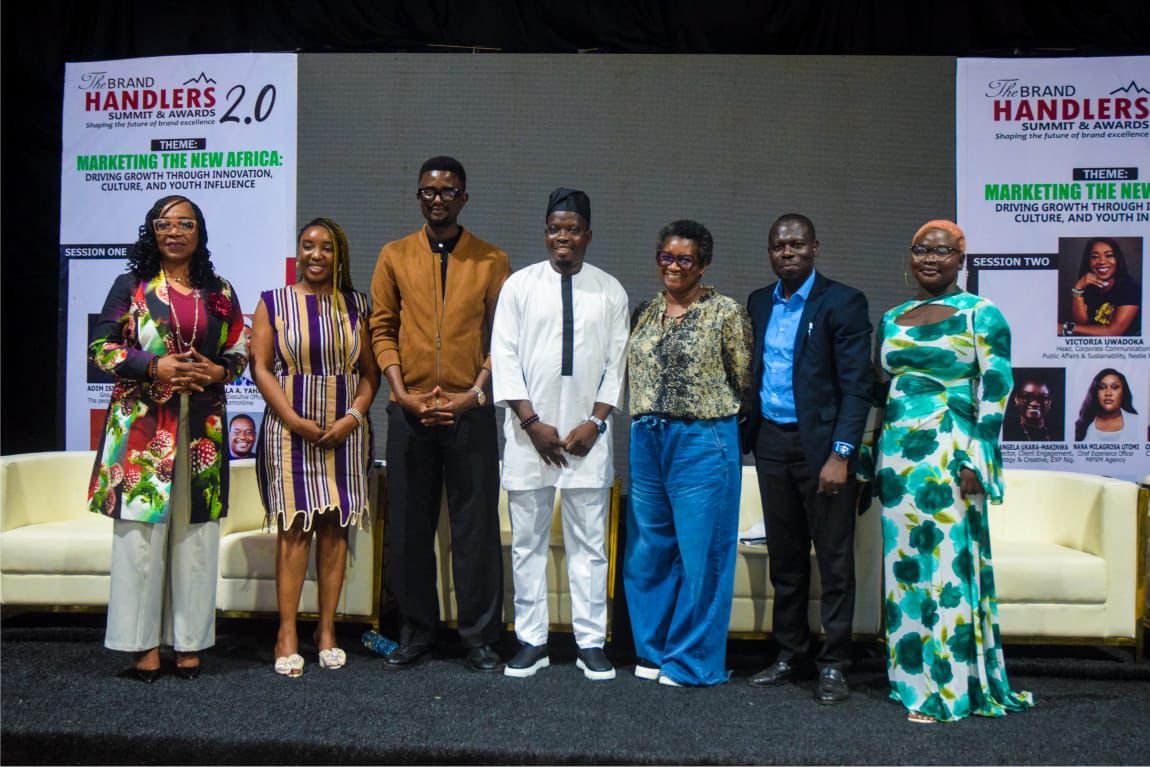
The Managing Director of Outori Limited, Wole Olagundoye, and Victoria Uwadoka, Head of Corporate Communications, Public Affairs and Sustainability at Nestlé Nigeria Plc, have challenged African businesses to reposition the continent as a global centre of marketing innovation by leveraging culture, artificial intelligence, data and youth influence. Speaking recently at the Brand Handlers Summit & Awards 2026 at the Sheba Centre in Lagos, both executives said that Africa’s demographic advantage, digital adoption and cultural relevance are reshaping global brand strategy. Olagundoye projected that the next generation of global marketing ideas could emerge from African cities, while Uwadoka emphasised that scaling African brands would depend on combining creativity with data-driven intelligence and artificial intelligence.
DECISION HIGHLIGHT
The summit reframed Africa’s competitive advantage from low-cost consumer markets to innovation-led brand creation, positioning culture, artificial intelligence and youth demographics as strategic economic assets capable of driving continental and global business growth.
DECISION MEMO
The discussions reflected an important shift in Africa’s branding narrative. Rather than viewing the continent as a destination for imported marketing models, speakers argued that Africa is becoming a source of original consumer trends, cultural influence and commercial innovation.
Opening the summit, Olagundoye argued that the next global marketing playbook may emerge from Lagos, Nairobi and Accra rather than traditional centres such as New York or London.
With almost 70 percent of Sub-Saharan Africa’s population below the age of 30, he described the continent as one of the world’s most dynamic consumer markets.
“Today’s African consumer is expressive, connected, community-driven, experience-seeking, and deeply conscious of cultural relevance. Africa is no longer following global trends but creating them.”
He warned that brands relying on imported Western campaigns without adapting them to African realities risk losing relevance. He argued that marketing is evolving from interruption towards participation and co-creation.
“Consumers do not want to be talked at; they want to be invited into the story.”
He further identified African music, fashion, creator-led commerce and digital communities as commercial assets capable of strengthening global brand relevance.
Expanding the conversation, Uwadoka argued that Africa’s challenge is no longer creativity but scalability.
“What we often struggle with is transforming great local brands into brands that can travel, compete and win across borders.”
According to Uwadoka, future competitive advantage will increasingly depend on three interconnected growth drivers: data, artificial intelligence and creativity.
“In an increasingly competitive marketplace, scale is no longer determined solely by financial resources but by intelligence. Brands that learn fastest, understand consumers deepest and make decisions based on evidence rather than assumptions are emerging as global winners.”
Using Netflix as an example, she demonstrated how consumer insights can reduce commercial risk while strengthening creativity.
Uwadoka also described artificial intelligence as an immediate business requirement rather than a future possibility.
“The question is no longer whether organisations will adopt AI; the question is whether they will adopt it fast enough.”
Despite advocating technology, she maintained that creativity remains the defining differentiator, urging African brands to convert growing global interest in the continent’s music, fashion, cuisine and film into enduring commercial value through authentic storytelling.
Collectively, the presentations suggest that Africa’s next competitive advantage may lie less in production costs than in combining cultural authenticity with technology, consumer intelligence and creative innovation.
DATA BOX
- Event: Brand Handlers Summit & Awards 2026.
- Venue: Sheba Centre, Lagos.
- Theme: ‘Marketing the New Africa: Driving Growth Through Innovation, Culture and Youth Influence.’
- Lead speakers:
- Wole Olagundoye, Managing Director, Outori Limited.
- Victoria Uwadoka, Head of Corporate Communications, Public Affairs and Sustainability, Nestlé Nigeria Plc.
- Key growth drivers identified:
- Culture.
- Artificial intelligence.
- Data analytics.
- Creativity.
- Youth influence.
- Demographic indicator:
- Nearly 70 percent of Sub-Saharan Africa’s population is under 30 years.
WHO WINS / WHO LOSES
Winners
- African brands embracing cultural authenticity.
- Creator economy participants.
- Artificial intelligence and marketing technology providers.
- Young entrepreneurs and digital creators.
- Businesses using data-driven decision-making.
Potential Losers
- Brands relying on imported marketing strategies without local adaptation.
- Organisations delaying artificial intelligence adoption.
- Businesses disconnected from evolving consumer behaviour.
POLICY SIGNALS
The summit reinforced the growing importance of the creative economy and digital innovation as drivers of economic diversification. It also highlighted the need for policies supporting artificial intelligence adoption, digital infrastructure, intellectual property protection and creator-led entrepreneurship as Africa strengthens its position in global commerce.
INVESTOR SIGNAL
The discussions strengthen the investment case for Africa’s expanding creative and digital economy. As consumer markets become younger, more connected and culturally influential, opportunities are increasing across marketing technology, artificial intelligence, digital media, creator platforms, advertising, entertainment, e-commerce and data analytics. Businesses capable of integrating technology with authentic African storytelling are likely to enjoy stronger long-term competitive positioning.
RISK RADAR
Africa’s creative advantage alone will not guarantee global competitiveness. Scaling brands across borders will require sustained investment in digital infrastructure, artificial intelligence capabilities, consumer data systems, intellectual property protection and talent development. Delayed adoption of emerging technologies or continued dependence on imported business models could weaken the continent’s ability to convert cultural influence into lasting commercial leadership.
Discover more from StakeBridge Media
Subscribe to get the latest posts sent to your email.