

By Ovio Peters
The Nigerian Film Corporation (NFC) and the Deutsche Gesellschaft für Internationale Zusammenarbeit (GIZ), through the Skills Development for Youth Employment II programme, on August 6, 2026, convened filmmakers, industry associations, government agencies, training institutions and development partners in Jos, Plateau State, to address women’s underrepresentation in technical filmmaking roles. The initiative is to deploy targeted training, mentorship, technical skills transfer and monetisation opportunities, informed by an ongoing mapping of Nigeria’s film industry and identification of barriers to female participation.
DECISION HIGHLIGHT
The NFC-GIZ intervention reframes women’s participation in filmmaking as an industry-capacity issue, linking technical inclusion to production quality, employment, national storytelling and Nollywood’s competitiveness.
DECISION MEMO
The significance of the NFC-GIZ initiative lies less in its inclusion narrative than in where it identifies the industry gap: behind the camera.
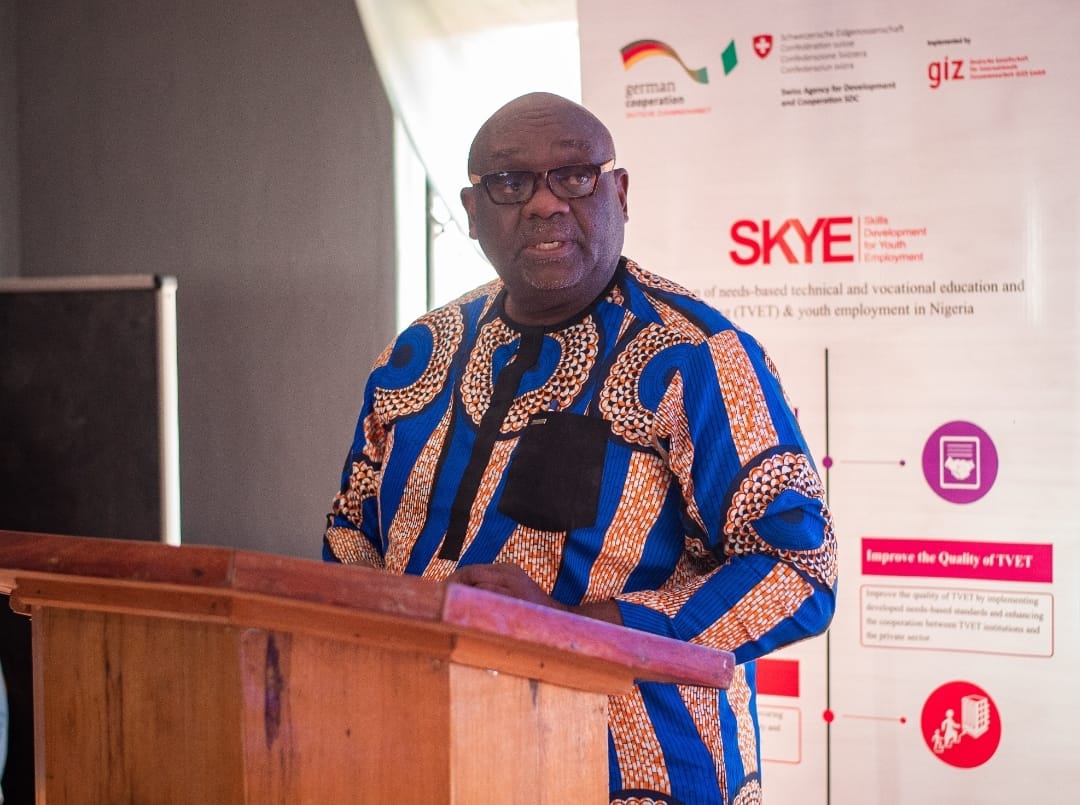
Mr. Ali Nuhu, Managing Director and Chief Executive of the NFC, represented by Brian Etuk, Director of Public Affairs, stated that women remain significantly underrepresented in technical roles because of barriers including inadequate training and mentorship. “We cannot tell the complete story of Nigeria if women are missing from behind the camera,” he said.
Nuhu linked participation directly to production standards, arguing that “equitable access to technical roles is not just an inclusion, but about excellence”. He said the next generation of Nigerian stories would have “better craft, wider domestic and global resonation” if women were deliberately brought into technical roles. With greater female participation, he added, “we will move from just telling stories to shaping national identity and securing Nigeria’s identity through film”.
The argument therefore extends beyond representation. The intervention is targeting the production infrastructure of Nollywood, where technical skills, access to equipment and professional networks determine the quality and commercial viability of film output.
Iroseyike Raphael Okodugha, Vocational Training and Labour Market Advisor at GIZ, described the Jos engagement as “about turning conversations into action”. He said, “by investing in skills development, mentorship and monetization opportunities for women in film technology, we are investing in the quality of Nigeria’s national narratives”.
The institutional breadth of the engagement gives the strategy a potentially wider implementation base. Participants included Professor Pomak Tengya, Rector of the National Film Institute (NFI); Ephraim Danques, Director General of the Arts, Culture and Creative Economy Agency and Special Adviser to the Governor of Plateau State; Nene Dung of the Plateau State Gender and Equal Opportunities Commission; and Jenifer Turay of the Plateau State Microfinance Development Agency.
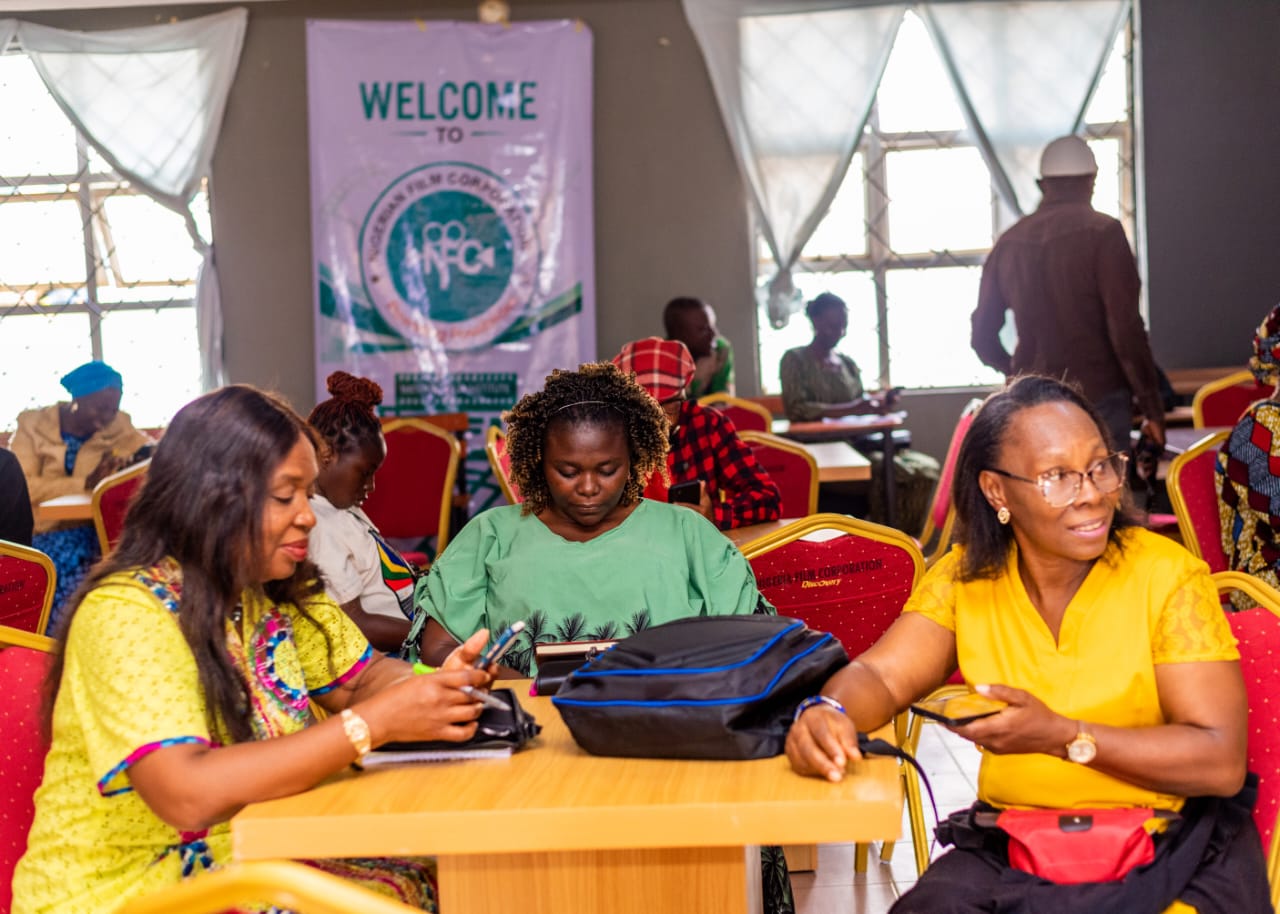
NFC and GIZ are developing targeted skills, mentorship and monetisation opportunities to increase women’s participation in technical filmmaking and strengthen Nollywood’s creative workforce.
The engagement was jointly facilitated by Stella Yusuf Dimlong, GIZ-SKYE Coordinator in Plateau State and Vocational Training and Labour Market Advisor; Brenda Fashugba, Lead Consultant for the GIZ-SKYE Female Labour Force Participation in Filmmaking project; and Fulfillment Nwaturuocha, GIZ-FLFP Consultant.
Joy Ramnap, Information Commissioner of Plateau State, overseeing the Ministry of Arts, Culture and Tourism, pledged the state government’s commitment to sustaining advocacy for inclusive opportunities for women across sectors.
The next stage is consequently more consequential than the stakeholder engagement itself. The NFC-GIZ initiative plans to translate findings from its ongoing national film-industry survey, including Plateau State, into targeted interventions through industry mapping, identification of constraints and co-creation of sustainable solutions.
DATA BOX
- Engagement: August 6, 2026, Jos, Plateau State.
- Lead institutions: NFC and GIZ.
- Technical focus: cinematography/DOP, editing, sound engineering, production design and related roles.
- Intervention: training, retraining, mentorship, technical skills transfer, funding and monetisation opportunities.
- Evidence mechanism: ongoing national film-industry survey and mapping.
- Implementation approach: identification of barriers and co-creation of sustainable solutions.
- State participation: Plateau State government and relevant gender, creative-economy and microfinance institutions.
WHO WINS / WHO LOSES
Who wins: Women seeking technical careers, filmmakers requiring a broader skilled workforce, and Nollywood if the programme improves production quality and employment pathways.
Who loses: Structural barriers restricting women’s access to technical training, professional networks, financing and production opportunities.
POLICY SIGNALS
The initiative signals a shift towards treating creative-economy inclusion as a skills, labour-market and industrial-capacity issue. The participation of federal, state, training, gender and development institutions could provide a broader implementation architecture.
INVESTOR SIGNAL
A deeper technical talent pool can strengthen the underlying production infrastructure available to creative-economy investors. The investment relevance will increase if training outcomes translate into employment, production credits, monetisation and commercially sustainable film enterprises.
RISK RADAR
The principal risk is a training-to-employment gap. Without equipment access, financing, professional placement and sustained production opportunities, increased female technical training may not materially change the industry’s economic structure. The ongoing industry mapping will therefore be important in determining whether the initiative produces measurable labour-market outcomes rather than only participation gains.
Discover more from StakeBridge Media
Subscribe to get the latest posts sent to your email.