

By Olumide Johnson
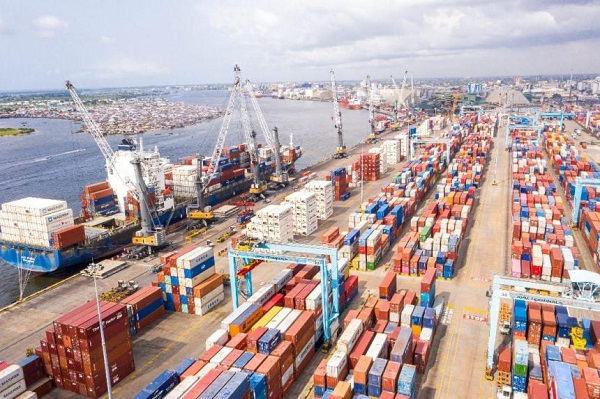
The Nigerian Ports Authority (NPA) is targeting non-oil export bottlenecks through inland dry port integration, dedicated Export Processing Terminals and improved cargo processing. Managing Director and Chief Executive Officer of the NPA, Dr. Abubakar Dantsoho, announced the measures at the 21st Abuja International Trade Fair, organised by the Abuja Chamber of Commerce and Industry (ACCI) from 25 September to 6 October. The federal government’s approval transferring inland dry port management and development functions to the NPA is intended to bring clearance and documentation closer to exporters in northern and central Nigeria. Director-General (DG) of ACCI, Agabaidu Jideani, called for stronger collaboration between the authority and the organised private sector.
DECISION HIGHLIGHT
The NPA is positioning port infrastructure and inland logistics as instruments for reducing export friction, improving market access and supporting foreign exchange earnings beyond oil.
DECISION MEMO
The NPA’s measures address a structural disadvantage facing inland exporters: the need to transport commodities to coastal ports before completing essential export procedures. Bringing inland dry ports under the authority’s operational purview could reduce logistical duplication, improve access to documentation and make export participation more commercially viable for businesses distant from seaports.
Dantsoho said that the change would benefit exporters in Abuja and other parts of northern and central Nigeria.
“By bringing Inland Dry Ports under the operational purview of the NPA, exporters in northern and central Nigeria, including right here in Abuja, no longer need to move raw commodities to coastal ports before undergoing port clearance and documentation,” he said.
Dedicated Export Processing Terminals provide a complementary intervention by consolidating sorting, packaging, quality certification and customs documentation before cargo reaches port terminals. The NPA says these measures are supporting exports of agricultural commodities and solid minerals, including cocoa, sesame seeds, cashew nuts and hibiscus.
Dantsoho argued that trade resilience requires efficient infrastructure, predictable fiscal frameworks and seamless supply chains. He urged entrepreneurs to participate more actively in export trade, saying, “To our prospective businessmen and entrepreneurs, now is the time to embrace export trade.”
These interventions strengthen the NPA’s role beyond seaport administration towards coordinating a broader export-logistics network. Their economic value, however, will depend on measurable reductions in clearance times, transport costs and cargo delays, as well as improved reliability for international buyers.
Jideani reinforced the importance of public-private collaboration, noting: “The efficiency, accessibility and competitiveness of Nigeria’s ports have direct implications for importers, exporters, manufacturers, distributors, logistics operators, retailers and numerous other businesses across our sectoral groups.”
He described the trade fair as “not merely as an exhibition opportunity, but as an important platform for dialogue, stakeholder engagement and partnership.” ACCI offered to support cooperation through policy dialogues, business forums, sensitisation and capacity-building programmes.
DATA BOX
- Institution: Nigerian Ports Authority.
- Policy mechanism: Inland dry port management and development functions transferred to the NPA, following Federal Government approval.
- Export intervention: Dedicated Export Processing Terminals.
- Target sectors: Agriculture, manufacturing, processing and solid minerals.
- Named export commodities: Cocoa, sesame seeds, cashew nuts and hibiscus.
- Event: 21st Abuja International Trade Fair, held from 25 September to 6 October.
- Reported outcomes: Increased export activity in selected commodities; no quantified savings or foreign exchange gains provided.
WHO WINS / WHO LOSES
Potential winners: Inland exporters, agricultural producers, solid-mineral businesses, manufacturers, logistics operators and international buyers benefiting from more predictable cargo processing.
Potential losers: Exporters and intermediaries dependent on inefficient procedures, avoidable transport costs and fragmented documentation processes.
POLICY SIGNALS
The NPA’s approach links port administration with inland trade facilitation. ACCI’s proposed collaboration offers a channel for identifying operational constraints and communicating procedures to businesses.
INVESTOR SIGNAL
More accessible inland export infrastructure could improve the viability of investments in agro-processing, solid minerals, manufacturing and logistics. Investors should look for evidence of lower costs, faster clearance and reliable export schedules.
RISK RADAR
The material provides no quantified data on processing times, export volumes, cost reductions or foreign exchange earnings attributable to the interventions. Effective implementation, coordination among relevant agencies and consistent service standards will determine whether the reforms deliver their intended benefits.
Olumide Johnson is a journalist, reporting on energy, maritime, business, and developments shaping Nigeria’s economy.
Discover more from StakeBridge Media
Subscribe to get the latest posts sent to your email.