

By Olumide Johnson
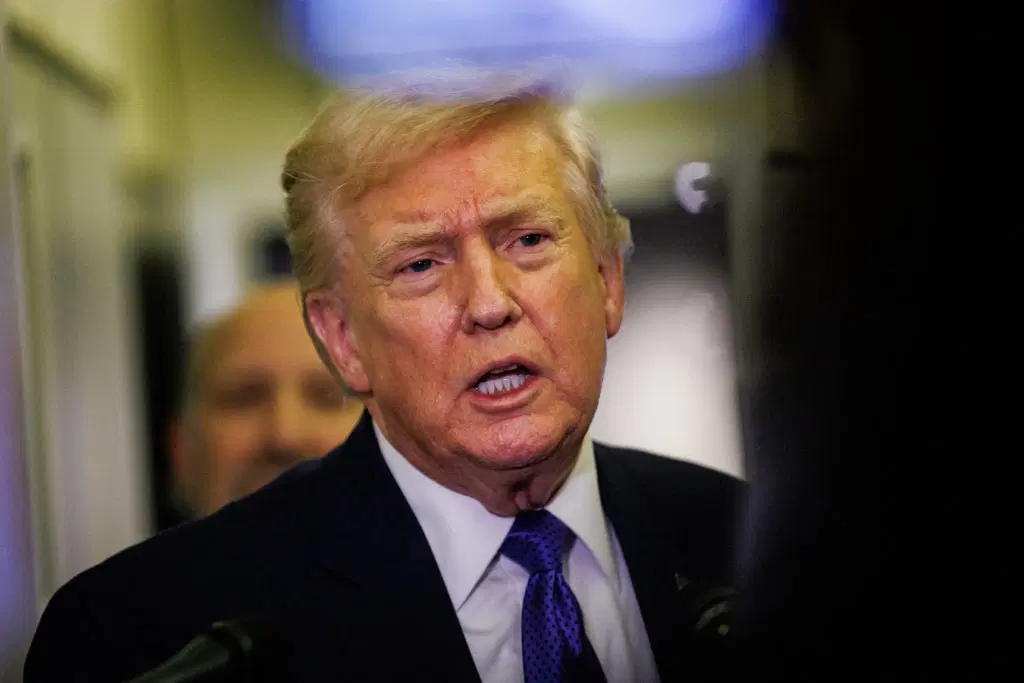
The suggestion by the United States (US) President, Donald Trump, that the latest US attacks against Iran may be short-lived recently triggered a reversal in the immediate market shock. Oil prices fell by more than one percent, US and Japanese 10-year government bond yields eased, while the three major US equity indexes and several Asian markets advanced. The move followed heightened tensions around the Strait of Hormuz, where US strikes had pushed crude prices sharply higher amid fears of an extended conflict, renewed inflation and tighter monetary policy.
DECISION HIGHLIGHT
The immediate market decision was not that geopolitical risk had disappeared, but that the probability of a prolonged oil-supply shock had temporarily declined.
DECISION MEMO
The significance of Trump’s intervention lies in its effect on the market’s risk premium. His assessment that the bombing campaign would not last “too long” offered investors an alternative to the worst-case scenario of sustained disruption around the Strait of Hormuz, a critical energy corridor.
That repricing was reinforced by softer US economic data. Private-sector employment growth and job openings came in below expectations, reducing pressure on the Federal Reserve to respond to an oil-driven inflation shock with higher borrowing costs.
Stephen Innes of Quintex Intel captured the mechanism: “Treasury yields eased, and stocks could finally breathe.” His broader interpretation was that investors were not celebrating weaker growth, but recognising that softer data could reduce the prospect of further monetary tightening.
The market rally is therefore better understood as a relief trade than a definitive return to risk-on conditions. Trump’s comments have reduced immediate inflation fears, but they have not removed the geopolitical uncertainty underpinning oil prices.
The bond market remains particularly sensitive to this tension. Lower Treasury yields suggest reduced expectations of an aggressive Federal Reserve response, while the simultaneous decline in Japanese government bond yields reflects a wider easing in global rate pressure.
The yen presents a separate monetary-policy risk. Its movement towards 158.22 per dollar after briefly trading above 160 has revived speculation of further Japanese intervention. That pressure is compounded by signals that the Bank of Japan could deliver a larger-than-expected rate increase.
Markets therefore remain caught between two opposing forces: weaker economic data that can support bonds and equities, and geopolitical developments that can quickly revive inflation through energy prices.
DATA BOX
- More than 1 percent: Fall in Brent and West Texas Intermediate after the latest rally.
- 10 percent: Maximum crude-price surge following the initial escalation.
- 18 million barrels: Crude reportedly carried by 40 commercial vessels through the Strait of Hormuz.
- One-fifth: Approximate share of global oil and gas transiting the waterway.
- 158.22: Yen per US dollar after its Wednesday strengthening.
- 160+: Yen per dollar level reached earlier in the day.
- September 16: Scheduled Federal Reserve rate decision.
- Friday: US non-farm payrolls release.
- Next week: Consumer Price Index release.
WHO WINS / WHO LOSES
WHO WINS: Equities, government bonds and other rate-sensitive assets benefit from reduced expectations of prolonged oil inflation and tighter monetary policy.
WHO LOSES: Energy consumers remain exposed to renewed crude-price volatility, while investors positioned for persistent inflation face a less favourable immediate backdrop.
POLICY SIGNALS
The episode reinforces the dependence of monetary policy on geopolitical developments. A prolonged energy shock could force central banks to balance inflation control against weakening economic activity.
For Japan, currency intervention and the prospect of higher interest rates remain central to managing yen volatility.
INVESTOR SIGNAL
The immediate opportunity is in assets benefiting from falling yields and reduced geopolitical risk premiums. However, the evidence supports caution rather than a broad risk repricing. Oil, US employment data, inflation and central-bank signals remain the principal market transmission channels.
RISK RADAR
The dominant risk remains a renewed escalation around the Strait of Hormuz. Any sustained disruption could reverse the decline in crude prices, revive inflation expectations and restore pressure on central banks to tighten policy.
As Innes put it, “the geopolitical pot is still simmering.”
Discover more from StakeBridge Media
Subscribe to get the latest posts sent to your email.