

By Olumide Johnson
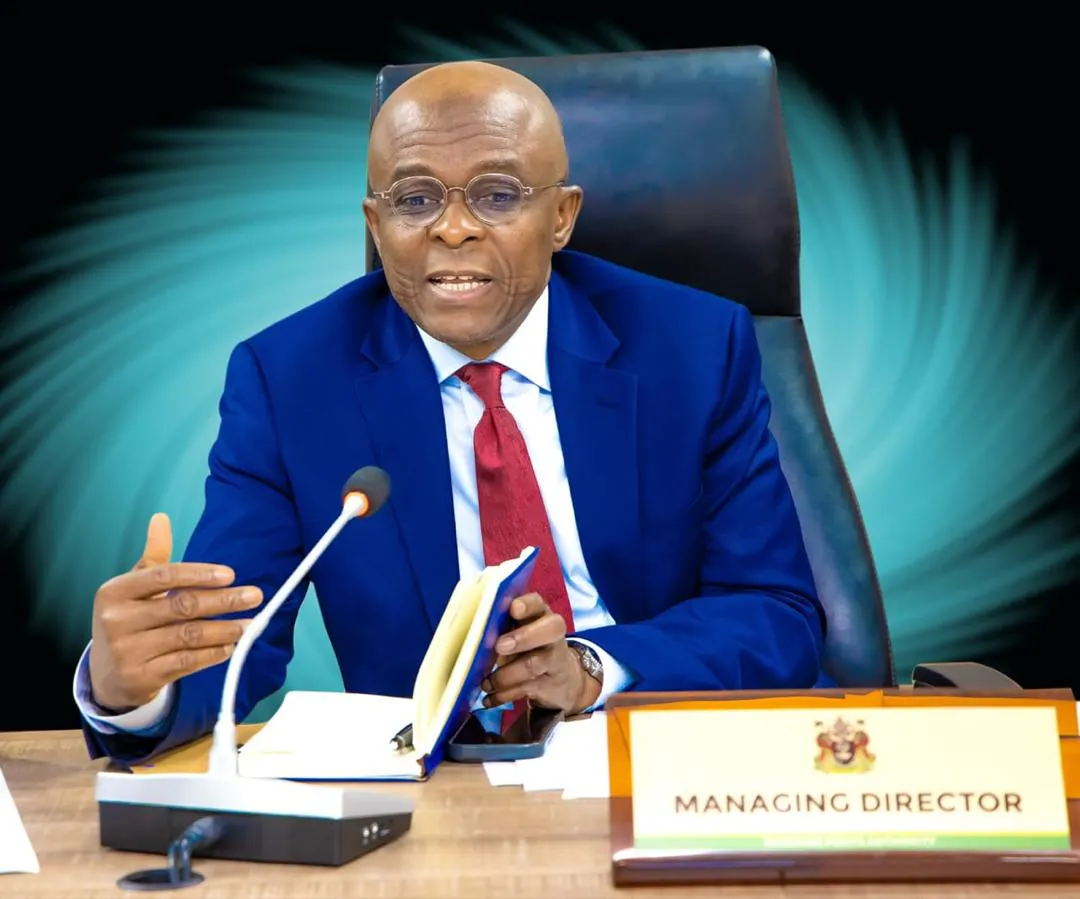
The Nigerian Ports Authority (NPA), led by Dr. Abubakar Dantsoho, is strengthening its institutional role across Nigeria’s maritime logistics chain through three linked developments: collaboration with the Nigerian Ports Economic Regulatory Agency (NPERA) on Inland Dry Ports, continued engagement with the Association of Nigerian Licensed Customs Agents (ANLCA) on port modernisation, and participation in the Maritime Correspondents’ Organisation of Nigeria (MARCON) conference on sustainable fisheries in Lagos on September 30, 2026. The initiatives connect port infrastructure, regulation, cargo distribution, customs operations, digitalisation and fisheries logistics.
DECISION HIGHLIGHT
The common denominator is coordination. NPA’s engagement with regulators, customs brokers, logistics operators and fisheries stakeholders increasingly positions port infrastructure as an economic platform rather than merely a cargo-handling facility. Its role in the Inland Dry Port transition is particularly important because extending efficient maritime logistics into the hinterland depends on clear institutional interfaces.
DECISION MEMO
The NPA’s engagement with NPERA offers a useful illustration of how maritime reform can move from legislation to operational coordination.
At the NPA Corporate Headquarters in Lagos, Dr Dantsoho received Dr Pius Akutah, Director-General and Chief Executive Officer NPERA, following a meeting convened at the instance of Dr Adegboyega Oyetola, Minister of Marine and Blue Economy.
The significance is not simply the transition from the former Nigerian Shippers’ Council to NPERA. It is the opportunity to clarify institutional responsibilities around Inland Dry Ports and make cargo movement from seaports to the hinterland more seamless.
Dantsoho congratulated Akutah on the enactment of the legislation establishing the expanded regulatory mandate and reaffirmed NPA’s willingness to support NPERA. The message is important: regulatory reform becomes economically meaningful only when the institutions responsible for infrastructure and regulation operate with sufficient coordination.
Akutah captured the infrastructure dimension directly: “The NPA remains a cornerstone in ensuring our Inland Dry Ports function as effective centres for cargo transit and distribution to the hinterlands.”
That recognition places NPA infrastructure at the centre of a wider logistics architecture. Effective Inland Dry Ports can reduce pressure on seaports, bring cargo closer to consuming and producing regions, and strengthen the commercial reach of Nigeria’s maritime system.
The same institutional logic is visible in NPA’s relationship with ANLCA. Marking the association’s 72nd anniversary, Dantsoho described it as a key component of the logistics chain and international trade facilitation.
“Since your establishment in 1954, ANLCA has remained a cornerstone of Nigeria’s maritime logistics chain. Reaching over seven decades of continuous service is a testament to the resilience, professionalism, and enduring relevance of your association in facilitating international trade and driving national economic growth.”
He stated: “The NPA deeply values the strategic relationship, constructive engagement, and mutual cooperation our organisations have cultivated over the years.”
More importantly, NPA reaffirmed its commitment to modernising port infrastructure, enhancing digital port operations and maintaining an enabling environment for customs brokers and freight logistics providers.
The fisheries conversation extends that logic beyond conventional port commerce. At the MARCON conference, Dantsoho joins Ruth Olusanya, Commissioner, Lagos State Ministry of Agriculture and Food Systems; Akutah; Dr Dayo Mobereola, Director-General, Nigerian Maritime Administration and Safety Agency (NIMASA); Akanbi Williams, Director, International Ocean Institute-Nigeria Centre; Dr Paul Onuoha, Provost, Federal College of Fisheries and Marine Technology; Francis Bunu Abi, President-General, Maritime Workers Union of Nigeria; and Benedicta Okonkwo, President, Nigerian Trawlers Owners Association.
Paul Ogbuokiri, Chairman of the Conference Planning Committee, said that the conference is designed to bring regulators, operators, researchers, training institutions and labour representatives into one conversation covering production, logistics, regulation, human capital and market development.
For NPA, this wider engagement reinforces a central proposition: efficient ports are not isolated maritime assets. They are transmission channels through which trade, industrial production, food systems and regional commerce reach the wider economy.
DATA BOX
- NPA-NPERA engagement: Inland Dry Port management and regulation.
- NPERA: expanded mandate following rebranding of the former Nigerian Shippers’ Council.
- ANLCA: 72nd anniversary, established in 1954.
- MARCON conference: September 30, 2026, Lagos.
- Fisheries focus: infrastructure, regulation, industrial production, research, skills, human capital and logistics.
- NPA priorities: port infrastructure modernisation and digital port operations.
WHO WINS / WHO LOSES
Cargo owners, customs brokers, freight operators and hinterland businesses stand to benefit from more coordinated port and logistics systems. Fisheries producers also benefit from stronger connections between production, maritime infrastructure and markets.
The principal risk is fragmentation, where institutional responsibilities or disconnected infrastructure prevent reforms from translating into faster and more predictable cargo movement.
POLICY SIGNALS
The emerging maritime policy direction favours integrated logistics: seaports linked to Inland Dry Ports, regulators working with infrastructure providers, customs operators incorporated into port modernisation, and fisheries development connected to maritime logistics.
INVESTOR SIGNAL
For investors, the important consideration is whether these institutional relationships translate into shorter cargo cycles, stronger hinterland connectivity, better digital processes and more predictable logistics costs. NPA’s infrastructure role makes execution particularly important.
RISK RADAR
The transition to NPERA, Inland Dry Port coordination, digital port modernisation and fisheries logistics all require sustained inter-agency execution. Infrastructure gaps, regulatory overlaps, weak last-mile connectivity and inadequate skills could dilute the economic benefits unless coordination remains continuous.
Olumide Johnson is a journalist, reporting on energy, maritime, business, and developments shaping Nigeria’s economy.
Discover more from StakeBridge Media
Subscribe to get the latest posts sent to your email.