

By Enam Obiosio
We often speak about African economic integration as though it begins and ends with trade agreements, infrastructure corridors and political commitments. I believe the more difficult and potentially more consequential frontier is capital. If African businesses increasingly operate across borders, then we should also be asking why their access to capital should remain largely confined to the markets where they were originally established.
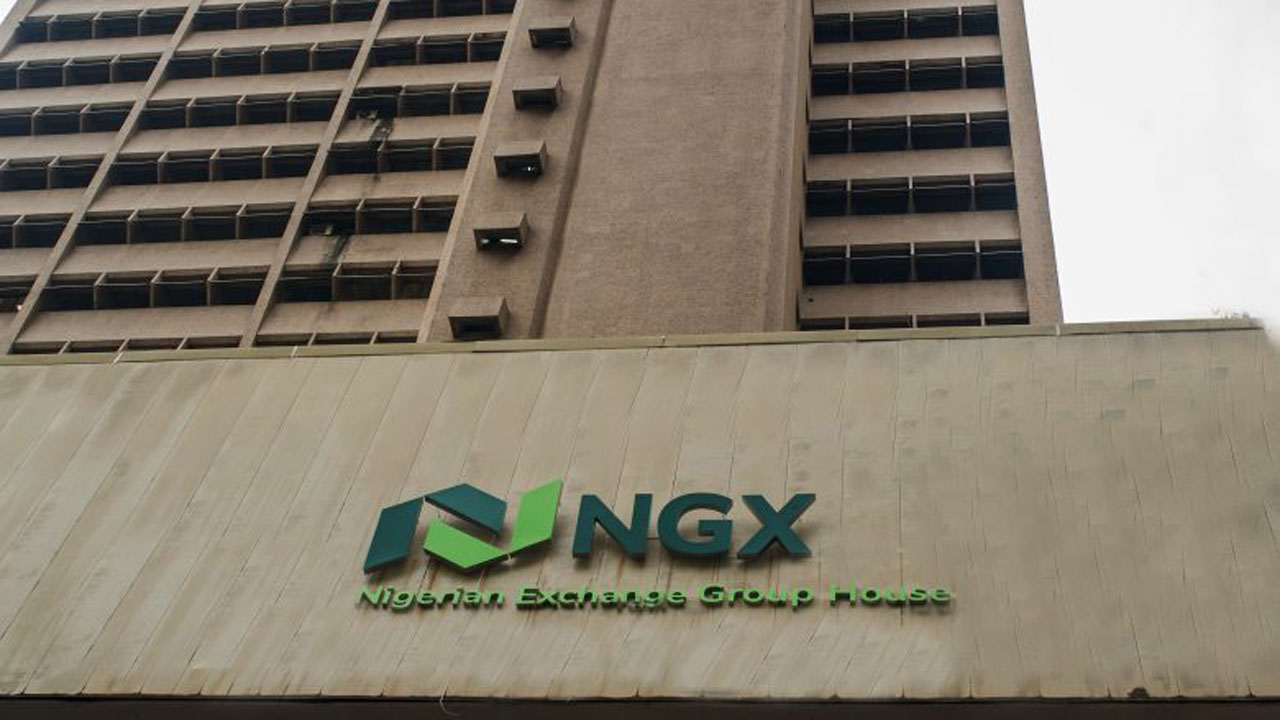
That question is at the heart of the emerging collaboration between Nigerian Exchange Group (NGX Group) and the Nairobi Securities Exchange (NSE). When Nigerian and Kenyan capital-market stakeholders met in Nairobi, the discussion was not simply about strengthening relations between two exchanges. We were looking at a practical question: how do we make African capital markets work more closely together so that companies can access investors beyond their home markets?
The setting was particularly relevant. The engagement took place at a Dangote Petroleum Refinery IPO High-Level Investor Engagement hosted by the Nairobi Securities Exchange. Aliko Dangote, President and Chief Executive of Dangote Industries Limited, used the occasion to recognise the roles of Umaru Kwairanga, Group Chairman of NGX Group, and Temi Popoola, Group Managing Director and Chief Executive Officer of NGX Group, in advancing collaboration among African capital-market institutions.
For us, the more important part of Dangote’s intervention was the proposition that African companies should not necessarily have to choose between their domestic market and other African markets when seeking capital. If a company has operations, customers, assets or growth opportunities across several African countries, we should be creating a capital-market architecture that allows it to engage investors across those markets.
The proposed Dangote refinery in Mokowe, Lamu, provides a useful illustration. A project designed to serve the East African market naturally raises questions about where its capital should come from and how investors across the region should participate. We can therefore see how a cross-border business opportunity can expose the limitations of capital markets that remain predominantly national in orientation.
NGX Group’s April meeting in Lagos, which brought leaders of major African exchanges together to discuss cross-border market connectivity, provided an important foundation for the Nairobi engagement. We should view the Kenya initiative as part of that wider process rather than as an isolated relationship between two exchanges.
Popoola captured this broader ambition clearly: “When we began this engagement, our objective was continental: to bring African exchanges together and explore how we can create stronger connections between African capital markets.
“Kenya represents an important first step in translating that ambition into practical collaboration. We see this engagement with the Nairobi Securities Exchange as a model that can be strengthened and potentially replicated across other markets on the continent.”
I find the word “continental” particularly important. It changes the interpretation of the engagement. We are not simply discussing a bilateral relationship between Lagos and Nairobi. We are considering whether individual market linkages can eventually become part of a broader African capital-market network.
The Dangote Petroleum Refinery offer gives that ambition a practical context, but we should not allow the transaction itself to become the entire story. The larger issue is whether African exchanges can create mechanisms that make cross-border investment easier, more visible and more commercially attractive for issuers and investors.
We already have a continental framework pointing in this direction through initiatives such as the African Exchanges Linkage Project, which seeks to strengthen connectivity, cross-border trading and investment among African exchanges. What the NGX Group-Nairobi Securities Exchange engagement potentially adds is a more practical, relationship-driven dimension to that objective.
We should also consider what this means for African companies seeking growth capital. At present, the fragmentation of African capital markets can make the continent appear much smaller from the perspective of an issuer seeking investors. A business may have a genuinely continental footprint while its capital-market presence remains concentrated in one jurisdiction.
Greater exchange collaboration could begin to narrow that disconnect.
Chief Executive Officer of the Nairobi Securities Exchange, Frank Mwiti, also recognised the wider value of the engagement, noting that stronger collaboration among African exchanges could deepen relationships between markets, promote the sharing of expertise and create greater opportunities for investors and issuers across the continent.
That is where we should locate the real significance of the Nigeria-Kenya initiative. We should not measure its value solely by the immediate number of transactions generated or the visibility surrounding a particular IPO. We should ask whether it helps create repeatable mechanisms through which investors in one African market can more easily discover, assess and participate in opportunities in another.
We should also recognise that deeper connectivity will require more than goodwill between exchange executives. For the vision to become commercially meaningful, we will need greater compatibility in market infrastructure, disclosure standards, regulatory processes, settlement arrangements, investor access and information flows. The material before us does not establish that these challenges have been resolved. It does, however, show that the institutions are beginning to address the relationship required to tackle them.
Popoola’s second statement makes the intended direction even clearer: “We see the work with Kenya as a prototype for how African markets can support greater connectivity among themselves. This is an important step towards facilitating cross-border access to capital-market opportunities, with the potential to scale across West Africa and the wider continent.”
For me, the word “prototype” is significant. A prototype is valuable not because it represents the finished product, but because it demonstrates whether an idea can work well enough to be replicated. Kenya therefore becomes more important if the lessons from the engagement can eventually be applied elsewhere.
We should also look beyond the exchanges themselves. Stronger capital-market connectivity could create benefits for issuers seeking a broader investor base, investors seeking diversification, financial intermediaries seeking new business opportunities and African economies seeking to mobilise more domestic and regional capital.
The proposed 700,000-barrel-per-day Dangote refinery in Lamu makes the argument even more tangible. Its proposed East African orientation demonstrates how capital requirements increasingly follow commercial opportunities across borders. If our companies are becoming continental, our capital markets will eventually have to become more connected as well.
The Nigeria-Kenya engagement therefore offers us a useful way to rethink African capital-market development. We should not see our exchanges simply as national marketplaces competing for listings and investors. We should increasingly see them as interconnected gateways through which African businesses can access African capital.
That transformation will not happen through declarations alone. But if NGX Group and the Nairobi Securities Exchange can turn this relationship into practical mechanisms for cross-border access, then what begins as cooperation between Lagos and Nairobi could become part of a much larger architecture for mobilising African capital within Africa.
That, ultimately, is the opportunity before us. We have spent decades asking how Africa can trade more with itself. We should now be asking how Africa can invest more in itself.
Enam Obiosio is a public relations and investor relations practitioner and journalist with experience in arts and business journalism, with expertise spanning financial markets, economic policy, infrastructure, corporate communications, and the creative economy.
Discover more from StakeBridge Media
Subscribe to get the latest posts sent to your email.