

By Ovio Peters
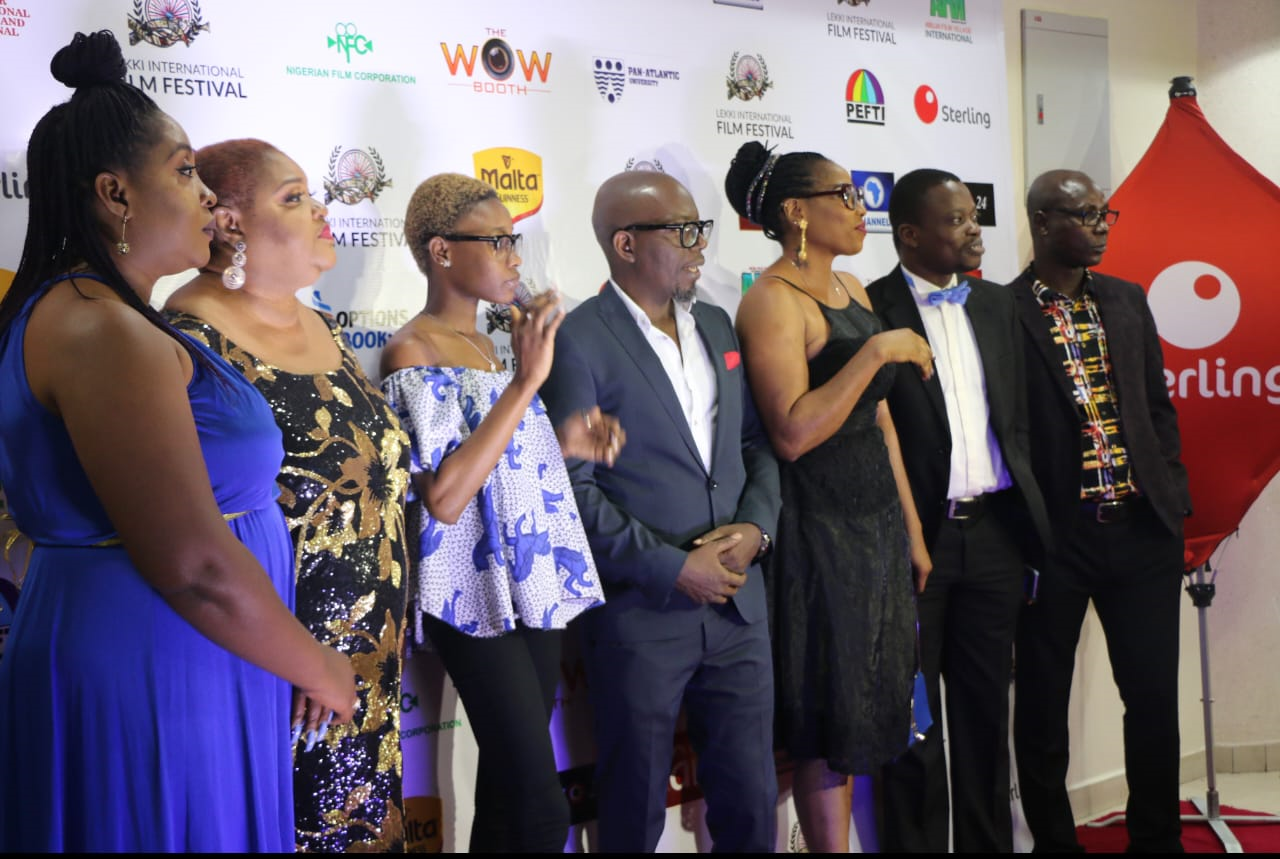
Lekki International Film Festival Limited will stage LEKKIFEST 2026 in Lagos from November 17 to 21, bringing film, advertising, digital media, literature, visual communication, education and business into one creative platform. The festival opens at Lagos Oriental Hotel on November 17 before moving to Iwalewa Gallery of Art, Lekki Phase 1, from November 18 to 21. Its stated mechanism is to connect filmmakers, writers, students, agencies, brands, cultural institutions and media companies through screenings, awards, partnerships and professional exchanges.
DECISION HIGHLIGHT
LEKKIFEST deserves attention because it is moving beyond the conventional definition of a film festival. By deliberately bringing cinema, advertising, literature and creative media into one platform, Mr. Dapo Adeniyi, one of the personalities behind the festival and Publisher and Editor-in-Chief of Position Magazine, an international arts and culture review publication, is giving the initiative a more consequential economic purpose: creating a marketplace where talent, intellectual property, brands, technology and capital can intersect.
DECISION MEMO
The most compelling feature of LEKKIFEST 2026 is not the promise of another calendar event. It is the institutional logic behind the event.
The organisers understand an increasingly obvious reality of the creative economy: the boundaries separating film, advertising, digital content, publishing, entertainment and technology have become porous. A filmmaker can produce a commercial; an advertising agency can produce a short film; a writer can generate intellectual property that becomes a screen production; and a brand can become a financier or distributor of cultural content.
That makes the festival’s three principal pillars particularly consequential: Film’s Best, Creative Media Awards, and Spoken Word & Literature. Rather than narrowing creative expression, the structure deliberately creates room for different disciplines to meet and generate new relationships.
There is an even more impressive dimension to the proposition. LEKKIFEST treats the creative economy as business infrastructure.
A festival can be a marketplace for ideas, talent, content, technology, advertising, hospitality, tourism, intellectual property and professional services. It can introduce a filmmaker to an agency, a writer to a producer, a technology company to a content creator, or a brand to an audience.
This is where the festival moves beyond celebration into economic utility.
Its deliberate engagement with advertising agencies, media agencies, digital companies, experiential agencies, creative studios and brand consultancies is particularly strategic. Commercial films, photography, branded storytelling and visual communication increasingly draw on the same creative talent used by mainstream cinema. Bringing these industries into one conversation therefore reflects how the market actually operates.
The student and institutional pathway strengthens the proposition further. By engaging universities, film schools, arts institutions and professional organisations and exploring submission-fee waivers, LEKKIFEST is attempting to connect education with the professional creative economy. That matters because a festival can give a young creator something a classroom cannot easily provide: public visibility, professional feedback and contact with potential collaborators or employers.
Its partnership philosophy is equally instructive. Rather than treating companies merely as sponsors, the organisers are seeking relationships capable of generating practical value across transportation, hospitality, technology, media, financial services and other sectors. That approach gives corporate participation an economic rationale beyond logo placement.
The larger opportunity is Lagos itself. As a centre of film, advertising, technology, music, publishing and entrepreneurship, Lagos provides an unusually appropriate environment for a platform designed to connect fragmented creative ecosystems.
LEKKIFEST is therefore making a persuasive institutional proposition: Africa’s creative economy needs not only talented people, but places where those people can meet, transact, collaborate and build intellectual property.
DATA BOX
- 2026 festival: November 17-21.
- Opening/press event: November 17.
- Main festival: November 18-21.
- Venue: Iwalewa Gallery of Art, Lekki Phase 1.
- Programme pillars: three.
- First staged: 2019.
- Organiser: Lekki International Film Festival Limited.
- Corporate structure: registered in Nigeria and the United Kingdom.
- Core sectors: film, advertising, digital media, literature, visual communication, education and business.
WHO WINS / WHO LOSES
Emerging filmmakers, students, writers, creative agencies and brands stand to gain from a platform that lowers the distance between talent and industry. Lagos also benefits from another mechanism for converting its creative concentration into commercial relationships.
The potential loss is fragmentation. Without platforms capable of connecting these disciplines, talent, ideas and intellectual property can remain dispersed across otherwise disconnected markets.
POLICY SIGNALS
The festival reinforces the case for treating creative industries as economic infrastructure requiring talent development, institutional networks, intellectual-property creation, financing, distribution and market access.
INVESTOR SIGNAL
LEKKIFEST presents an investable creative-economy proposition precisely because it sits at the intersection of content, advertising, technology, education, brands and intellectual property. Its long-term commercial value will depend on its ability to convert annual gatherings into year-round relationships and transactions.
RISK RADAR
The principal challenge is sustainability. Building an annual creative institution requires durable partnerships, recurring participation, commercial relationships and sufficient infrastructure beyond the festival period. LEKKIFEST’s stated ambition to maintain relationships throughout the year is therefore central to determining whether the platform evolves from a successful event into a durable creative-economy institution.
Ovio Peters is a journalist, reporting on arts, creative economy, business, policy and economic developments through a sharp and analytical lens.
Discover more from StakeBridge Media
Subscribe to get the latest posts sent to your email.