

By Ovio Peters
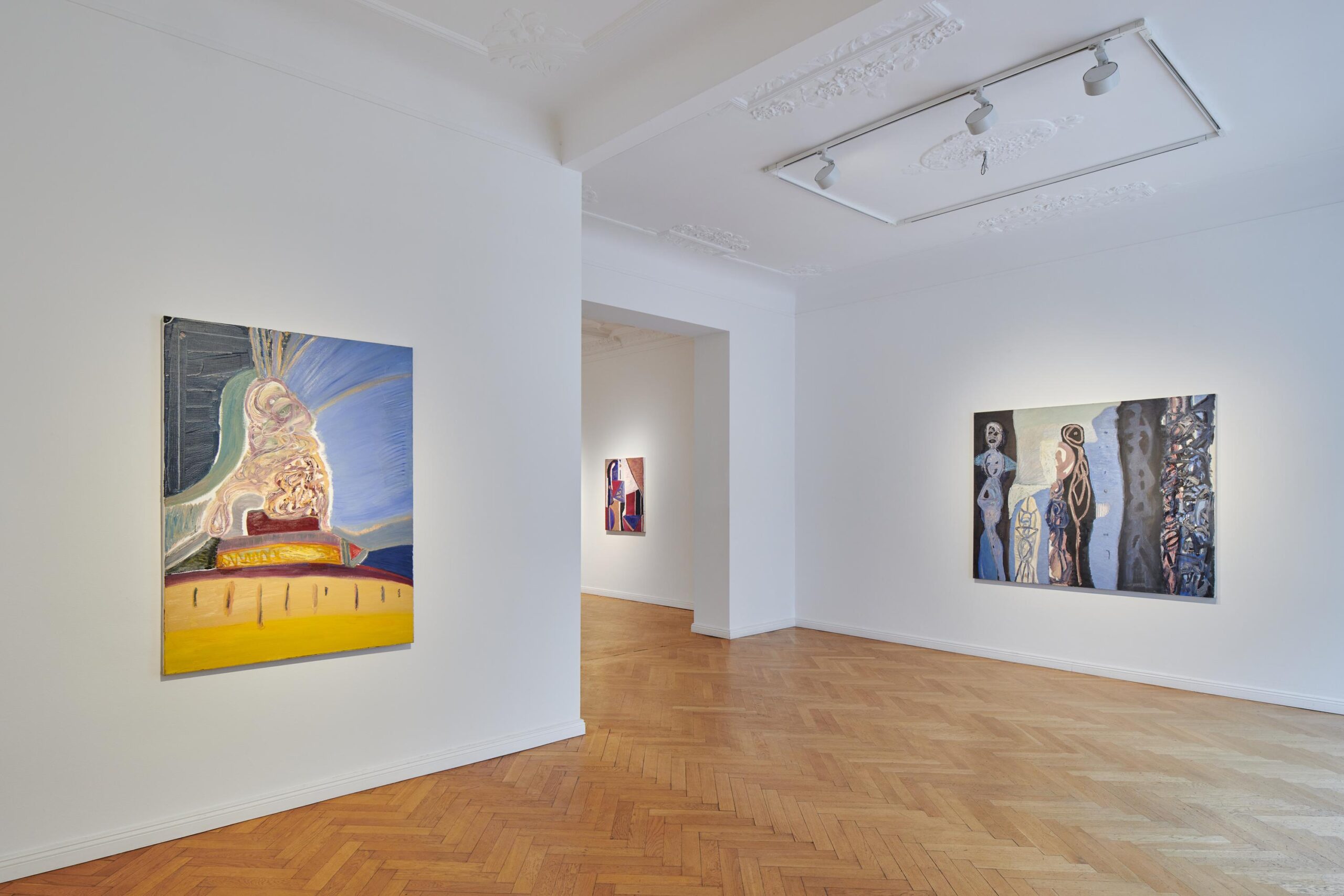
Galerie Michael Haas has opened ‘Strawalde: Parade’ in Berlin from September 10 to October 23, 2026, coinciding with Berlin Art Week, giving 95-year-old German painter and filmmaker Strawalde a comprehensive solo exhibition. Born Jürgen Böttcher in 1931, Strawalde’s painting career was constrained under East Germany, where officials classified his work as “formalist” and expelled him from the Association of Visual Artists. His post-reunification recognition now provides a useful case study in how institutional visibility can convert an underexposed artistic practice into cultural and market value.
DECISION HIGHLIGHT
The Strawalde case demonstrates that visual-art value is created not only through artistic production, but through institutions that preserve, validate, exhibit, document and connect creative work to collectors and markets.
DECISION MEMO
From a creative-economy perspective, ‘Parade’ is significant because it illustrates the infrastructure required to turn artistic legacy into an economic asset.
Strawalde produced across painting and filmmaking, but political exclusion restricted the circulation of his paintings for decades. Reunification altered that equation by reopening access to galleries, museums and collections. The current retrospective extends that process through curatorial attention, exhibition space and a supporting catalogue.
That pathway has direct relevance to Nigeria’s visual-art sector. Nigeria has substantial artistic talent and an increasingly international contemporary-art presence, but the long-term economic value of artists depends on more than production and individual sales. Archives, catalogues, galleries, museums, critics, curators, collectors and secondary-market institutions determine how artistic work is documented, authenticated and positioned over time.
Strawalde’s thickly layered, expressive paintings also demonstrate why creative-economy policy should not reduce art to immediate commercial output. Artistic practices that initially appear commercially marginal can acquire substantial cultural and economic value when institutions create sustained mechanisms for discovery and preservation.
For Nigeria, the implication is that developing the visual-art economy requires an ecosystem capable of carrying artists across generations. Institutional documentation can protect provenance; museums and galleries can establish historical context; exhibitions can create international visibility; and credible market infrastructure can translate cultural recognition into economic value.
‘Parade’ therefore offers a broader lesson: the creative economy grows when cultural assets are systematically converted into intellectual, institutional and market capital.
DATA BOX
- Artist: Strawalde, born Jürgen Böttcher
- Birth year: 1931
- Age: 95
- Exhibition: ‘Strawalde: Parade’
- Venue: Galerie Michael Haas, Berlin
- Exhibition period: September 10 to October 23, 2026
- Disciplines: Painting and filmmaking
- Supporting asset: Exhibition catalogue
- Nigerian relevance: Artist archives, galleries, museums, provenance, collecting and secondary markets
WHO WINS / WHO LOSES
Wins: Artists gain from stronger institutional recognition; galleries, museums, collectors and creative businesses benefit when cultural assets acquire durable value.
Potential losers: Artists operating without documentation, professional representation or credible provenance remain vulnerable to undervaluation, historical neglect and weak market continuity.
POLICY SIGNALS
Nigeria’s visual-art policy conversation should extend beyond talent development towards cultural infrastructure. Artist archives, museum capacity, conservation, provenance systems, art education and international exhibition networks are economic infrastructure, not peripheral cultural activities.
INVESTOR SIGNAL
The stronger opportunity in visual art lies in ecosystem development rather than isolated transactions. Galleries, art fairs, museums, archival services, conservation, digital provenance and professional art-market infrastructure can support longer-term value creation as Nigerian artists gain international recognition.
RISK RADAR
The Nigerian sector remains exposed to weak institutional documentation, inadequate conservation, fragmented market infrastructure, authenticity concerns and limited secondary-market depth. Without these supporting systems, international recognition may generate short-term visibility without creating durable value for artists or the wider creative economy.
Ovio Peters is a journalist, reporting on arts, creative economy, business, policy and economic developments through a sharp and analytical lens.
Discover more from StakeBridge Media
Subscribe to get the latest posts sent to your email.