

By Olumide Johnson
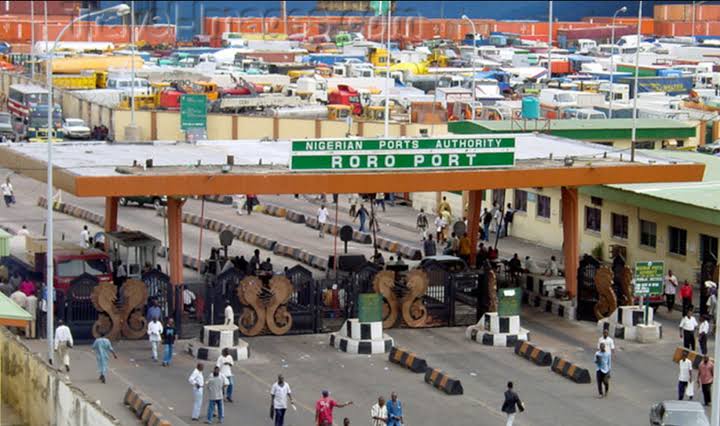
The Nigerian Ports Authority (NPA) is confronting operational pressures at Onne Port while continuing to manage broader infrastructure, cargo-flow and maritime-development responsibilities. NPA Traffic Manager at Onne Port, Siraj Agbolade, said that four truck parks provided around the port remain under-utilised because some truckers prefer roadside parking and payments to community youths, disrupting the Electronic Call-Up System and cargo evacuation. At the same time, the Maritime Branch of the Senior Staff Association of Statutory Corporations and Government-Owned Companies (SSASCGOC) has raised concerns over NPA’s revenue deductions, while NPA Port Manager, Debo Lawal, has continued to promote deeper public understanding of port operations through the 2026 Maritime Writes Project.
DECISION HIGHLIGHT
The developments point less to institutional failure than to the scale of the operational environment that NPA is required to manage. The authority is simultaneously dealing with traffic discipline, infrastructure demands, revenue constraints, stakeholder relations and the wider task of sustaining Nigeria’s maritime gateway system.
DECISION MEMO
The Onne situation illustrates an important distinction in port management: infrastructure can be provided without necessarily achieving operational efficiency if users do not comply with the systems designed to organise access.
Agbolade said that the four available truck parks serve as transition points where vehicles are processed and scheduled through the Electronic Call-Up System before entering the port for loading or cargo evacuation. Truckers bypassing those facilities and parking along roads create additional pressure on both traffic management and the host community.
The resulting delays should therefore not automatically be attributed to the port authority. The problem involves the interaction of road conditions, trucker behaviour, community interests and the effectiveness of the call-up system. NPA’s planned stakeholder meeting at Onne offers a more appropriate institutional response than treating the problem exclusively as a port-management failure.
Freight and transport stakeholders have also threatened service withdrawal over road conditions, warning of losses from accidents, delays, demurrage and vehicle maintenance.
The revenue debate presents a different but related constraint. The Maritime Branch President of SSASCGOC, Akinola Bodunde, argued that deductions from NPA’s internally generated revenue could weaken its capacity to maintain infrastructure and services. He said that NPA accessed only about 29 percent of its revenue in 2025 and advocated retention of 70 percent.
The union’s position is a legitimate financing concern, but it should be distinguished from the established policy position. The source material records that organised maritime labour in 2024 proposed a 30 percent deduction ceiling, leaving 70 percent with NPA; it does not establish that this became the permanent federal government formula.
The NPA’s ability to maintain ports depends on a sustainable balance between contributing revenue to the Federation and retaining sufficient resources for infrastructure and operational obligations.
The strongest evidence of NPA’s broader institutional role comes from Apapa. During the 2026 Maritime Writes Project, Lawal personally led participants through the Lagos Ports Complex, exposing them to the infrastructure, workforce and processes supporting commercial trade. The programme connected port operations with maritime security, shipbuilding and the wider blue economy.
The case for NPA and the federal government is therefore strongest when assessed against this wider mandate. NPA’s challenge is to keep the system moving while the federal government addresses the financing and infrastructure conditions around it.
DATA BOX
- Onne truck parks: 4, currently under-utilised
- Electronic system: Electronic Call-Up System
- NPA revenue reportedly accessed in 2025: About 29%
- Union proposal: 70% NPA retention, 30% Federation Account deduction
- 2026 Maritime Writes Project: Field exposure across commercial, naval and shipbuilding environments
- Key port pressure points: Roads, truck parking, cargo evacuation, revenue and infrastructure
WHO WINS / WHO LOSES
Who wins: Efficient port users, compliant transport operators, importers, exporters and the wider Nigerian economy if NPA infrastructure is properly utilised and maintained.
Who loses: Businesses face higher logistics costs when roadside parking, poor roads and cargo delays persist. NPA also risks operational deterioration if infrastructure funding becomes inadequate.
POLICY SIGNALS
The evidence supports a coordinated port policy covering road access, truck management, community engagement, revenue retention and infrastructure maintenance. Federal and sub-national authorities need clearer alignment around responsibilities affecting port corridors.
INVESTOR SIGNAL
Nigeria’s ports remain strategic infrastructure for trade, industrial activity and the blue economy. Their investment value depends not only on terminal capacity but on reliable access roads, predictable cargo evacuation, efficient truck management and sustainable infrastructure funding.
RISK RADAR
The immediate risks are congestion, deteriorating access roads, informal truck parking, stakeholder disputes and inadequate maintenance funding.
Discover more from StakeBridge Media
Subscribe to get the latest posts sent to your email.