

By Hannah Yemisi
Nigeria’s agricultural trade balance swung from a N740.27 billion surplus in the first half of 2025 to a N56.13 billion deficit in the first half of 2026, according to National Bureau of Statistics (NBS) foreign trade data. Agricultural exports fell 33.28 percent to N1.98 trillion, while imports declined by just 8.50 percent to N2.03 trillion. Chairman of the Lagos Chamber of Commerce and Industry’s Agricultural and Allied Group, Mr. Tunde Banjoko, attributed the shift partly to food-import waivers and reduced tariffs. Chief Executive Officer of the Centre for the Promotion of Private Enterprise (CPPE), Dr. Muda Yusuf, cited import liberalisation, insecurity, high input costs and falling produce prices as constraints on domestic production.
DECISION HIGHLIGHT
The reversal exposes the tension between using food imports to moderate prices and sustaining domestic agricultural production, export capacity and employment.
DECISION MEMO
Nigeria’s agricultural trade reversal suggests that import relief has not been matched by sufficient domestic production and export resilience. While lower tariffs may improve short-term food availability, the trade figures show that exports weakened much faster than imports, reversing two consecutive years of first-half surpluses.
Banjoko said: “Some waivers were given for products like palm oil and rice, and the import tariffs were drastically reduced. It became more favourable for people to import than to patronise local producers.”
He warned: “The effect is that our imports will rise above our exports. Second, we will discourage local production. Thirdly, we will be reducing employment, because some factories will shut down if they are not able to compete.”
His argument highlights the potential consequences for domestic processors, although the trade figures alone do not establish how much of the decline resulted directly from tariff changes.
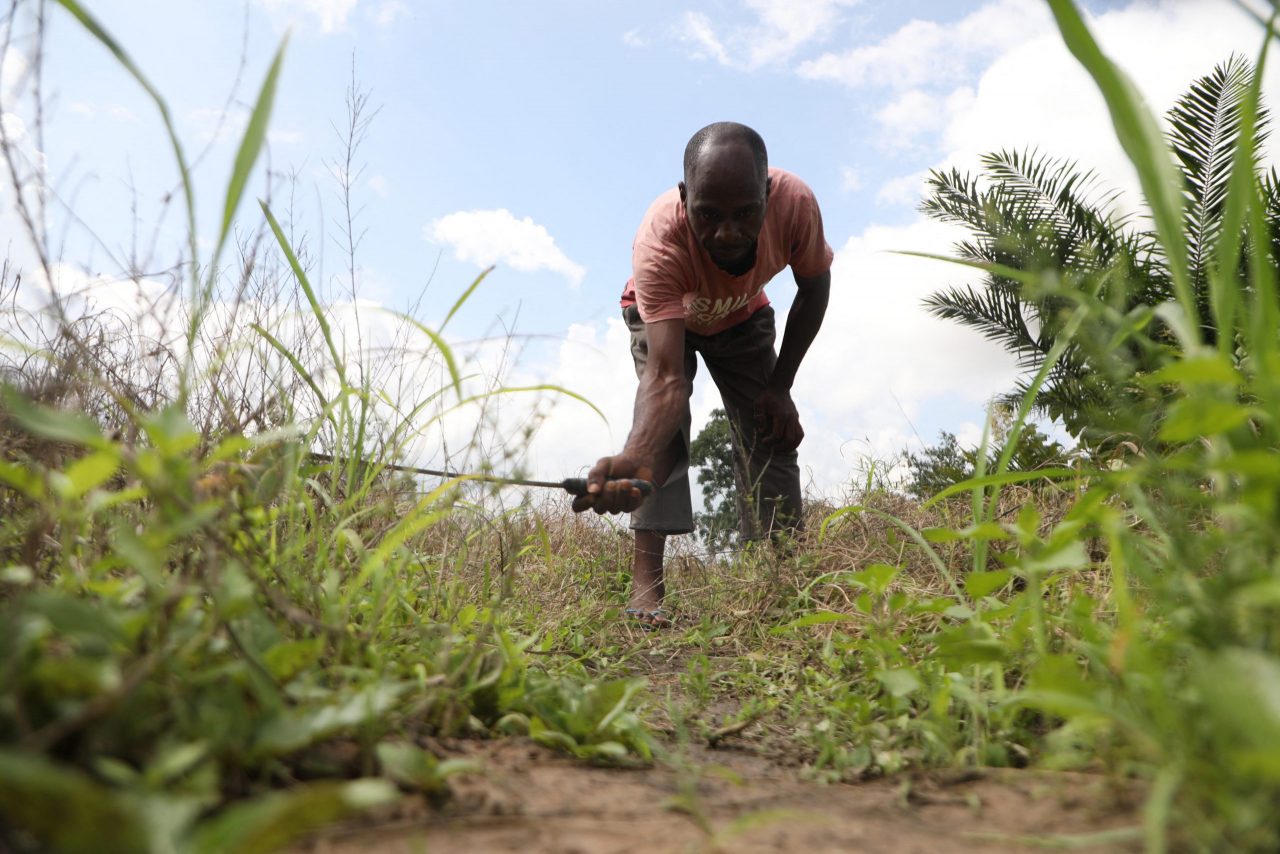
Yusuf identified insecurity as another constraint, saying: “Insecurity led many farmers to leave their farms. Many of them have ended up in IDP camps, and quite a number have completely abandoned farming.” He added: “You can only export when you have the output.”
High input costs and weaker produce prices further complicate the economics of farming. Yusuf said that imported fertiliser, agrochemicals and other inputs had become more expensive because of exchange-rate pressures, while declining produce prices discouraged production.
Banjoko called for faster implementation of Special Agro-Industrial Processing Zones to strengthen domestic processing and export capacity. Yusuf advocated lower input costs and minimum guaranteed prices, proposing that government compensation should apply when produce prices fall below an established threshold.
The policy challenge is to balance food affordability with incentives for domestic production. Import substitution can improve the trade balance only if local producers can supply competitive volumes consistently.
DATA BOX
- H1 2025 agricultural trade balance: N740.27 billion surplus.
- H1 2026 balance: N56.13 billion deficit.
- Trade-balance swing: N796.40 billion.
- Agricultural exports: N1.98 trillion, down 33.28 percent from N2.96 trillion.
- Agricultural imports: N2.03 trillion, down 8.50 percent from N2.22 trillion.
- H1 2024: N194.92 billion surplus.
- H1 2023: N365.74 billion deficit.
WHO WINS / WHO LOSES
Potential winners: Importers and consumers may benefit from easier access to imported food and lower import barriers.
Potential losers: Domestic farmers, processors and agricultural workers face greater competitive pressure, while exporters lose opportunities when production and output decline.
POLICY SIGNALS
Reconcile food-price stabilisation with farm productivity through targeted input support, improved security, minimum-price mechanisms and faster delivery of agro-industrial processing zones.
INVESTOR SIGNAL
Domestic processing, agricultural inputs and value-chain infrastructure offer opportunities if policies support reliable supply, competitive pricing and export readiness.
RISK RADAR
Persistent insecurity, expensive imported inputs, weak processing capacity and poorly calibrated import policies could deepen agricultural trade deficits and undermine rural employment. Minimum guaranteed prices would also require transparent eligibility rules and sustainable funding.
Hannah Yemisi is a reporter of note, governance, state government, healthcare, sustainability, agriculture, reporting on education, and social developments with a focus on accuracy, context and public relevance.
Discover more from StakeBridge Media
Subscribe to get the latest posts sent to your email.