

By Olumide Johnson
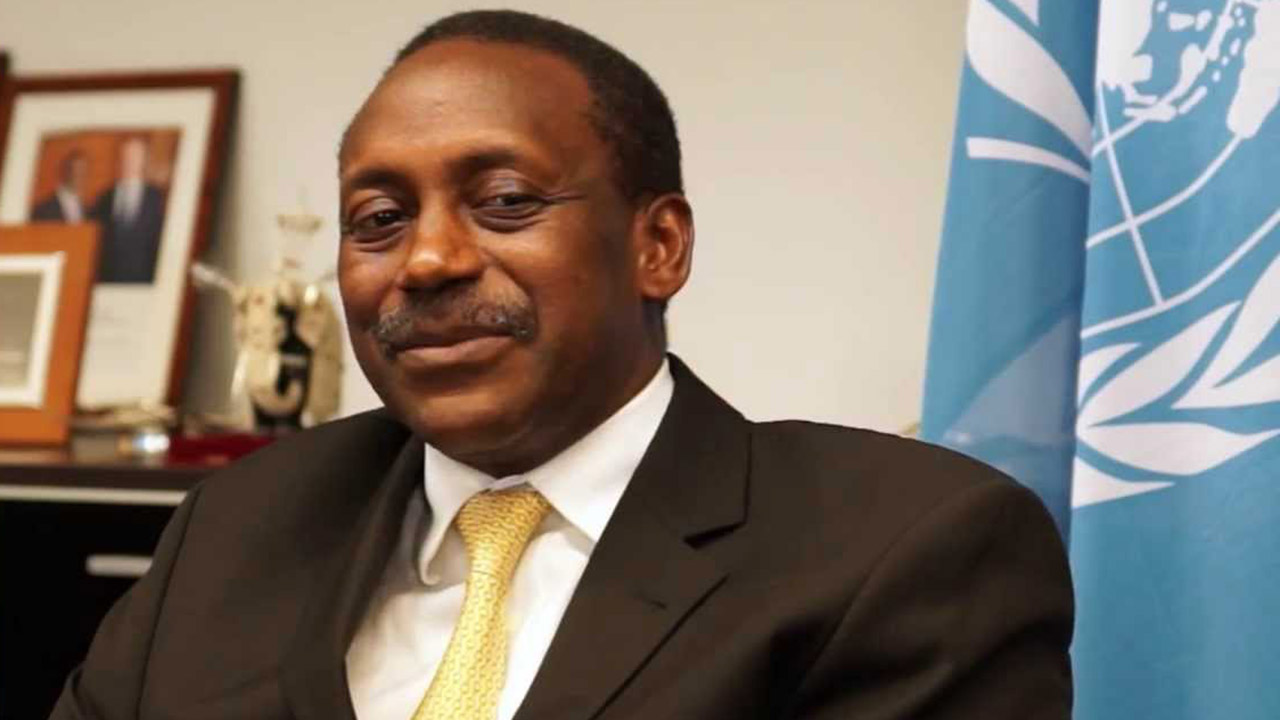
Former Director-General of the United Nations Industrial Development Organisation (UNIDO), Dr Kandeh Yumkella, has identified Nigeria’s energy constraints and weak manufacturing export performance as major obstacles to its ambition of becoming Africa’s industrial powerhouse.
DEVELOPMENT
Yumkella spoke in Lagos while delivering the 6th Adeola Odutola Lecture, themed ‘Leveraging National Industrial Policy to Position Nigeria as Africa’s Industrial Hub’, organised by the Manufacturers Association of Nigeria (MAN).
He said Nigeria possessed the market scale, natural resources, entrepreneurial capacity, financial depth and strategic position within the Economic Community of West African States (ECOWAS) and the African Continental Free Trade Area (AfCFTA) to lead Africa’s industrial transformation.
“Nigeria has the essential foundations for an industrial powerhouse. It has scale, resources, vibrant entrepreneurs, financial depth and strategic positioning to win equity in the AfCFTA.
“Countries industrialise when policy translates into productive capacity, investment, technology, competitiveness and value addition to create jobs,” he said.
Yumkella, however, argued that Nigeria had yet to convert these advantages into commensurate economic performance.
“Nigeria’s 41 million micro, small and medium enterprises (MSMEs) testify to the energy and resilience of the private sector. But potential is not performance,” he said.
He urged the government to harness natural gas, hydropower and solar resources to deliver reliable, affordable electricity to industries and support regional energy markets across West Africa.
DATA
Yumkella highlighted several indicators of Nigeria’s industrial constraints:
- Manufacturing contribution: About seven to eight percent of GDP.
- Manufactured exports: Approximately three percent of total export revenue.
- Exports of goods and services: 10.7 percent of GDP.
- Electricity supply: National grid delivery of about 5,000 to 6,000 megawatts against estimated demand exceeding 20,000 megawatts.
- Self-generated electricity costs: N1.34 trillion in 2025, up from N781.68 billion in 2023.
- Energy share of production costs: Between 35 and 40 percent.
SIGNIFICANCE
High energy costs weaken manufacturers’ price competitiveness, constrain investment and reduce their capacity to compete in regional and international markets. Low manufactured-export earnings also limit Nigeria’s ability to capture greater value from its resources and production base.
NEXT MOVE
The priorities are reliable industrial electricity, stronger implementation of national industrial policy, technology adoption, value addition and improved access to regional markets through ECOWAS and AfCFTA. Progress should be assessed through manufacturing output, export earnings, investment and productivity.
OUR LENS
Yumkella’s assessment places policy execution at the centre of Nigeria’s industrial challenge. A large domestic market and abundant resources create opportunities, but they cannot substitute for competitive production. Nigeria’s industrial ambition will depend on lowering structural costs, improving infrastructure and converting enterprise into value-added goods capable of competing beyond its borders.
Olumide Johnson is a journalist, reporting on energy, maritime, business, and developments shaping Nigeria’s economy.
Discover more from StakeBridge Media
Subscribe to get the latest posts sent to your email.