

By Olumide Johnson
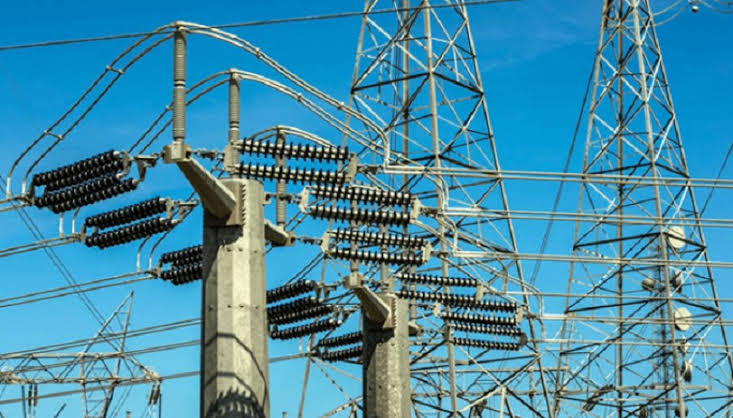
The Federal Ministry of Power has initiated coordinated measures to curb vandalism of electricity infrastructure, following attacks on generation, transmission and distribution assets that disrupt supply, increase repair costs and threaten investment in the power sector.
DEVELOPMENT
Participants at the inaugural meeting of the ministerial committee convened by the Minister of Power, Mr. Joseph Tegbe, recommended stricter enforcement of existing anti-vandalism laws, deployment of technology to protect critical assets, and public sensitisation to prevent attacks.
According to a statement by Mr. Mathew Ibiyemi, Media Consultant to the Minister of Power, the committee was established to develop coordinated measures to end attacks across the electricity value chain and define the responsibilities of relevant institutions.
The meeting was attended by the Special Adviser to the President on Homeland Security, Major General Adeyinka A. Famadewa; directors from the Office of the National Security Adviser (ONSA); the leadership of the Nigeria Security and Civil Defence Corps (NSCDC); the Permanent Secretary; and directors from the Ministry of Power and relevant agencies.
Ibiyemi said: “The committee’s work will be aligned with the critical infrastructure unit of ONSA, reinforcing the treatment of power assets as a national security priority.”
He also said that the committee would reconvene to review progress. “Effective implementation should translate into fewer outages caused by attacks on infrastructure and a more dependable supply, and should strengthen the protection of public and private investment in power”, he added.
DATA
The statement provides no figures on vandalism incidents, financial losses or outages attributable to attacks. However, it identifies generation, transmission and distribution infrastructure as the principal areas requiring coordinated protection.
SIGNIFICANCE
Vandalism increases operational costs, disrupts electricity delivery and weakens investor confidence in an already infrastructure-dependent sector. Stronger enforcement and technological surveillance could reduce asset losses, improve network reliability and protect public and private capital committed to electricity generation and distribution.
NEXT MOVE
The committee is expected to reconvene to assess progress. Key indicators will include enforcement outcomes, adoption of protective technologies, coordination among security agencies and reductions in outages linked to vandalism.
OUR LENS
Electricity infrastructure protection is both a security and an economic priority. The committee’s effectiveness will depend on translating recommendations into measurable enforcement, prevention and accountability. Without sustained implementation, vandalism will continue to impose costs on operators, consumers and investors while undermining efforts to improve electricity supply.
Olumide Johnson is a journalist, reporting on energy, maritime, business, and developments shaping Nigeria’s economy.
Discover more from StakeBridge Media
Subscribe to get the latest posts sent to your email.