

By Kingsley Ani
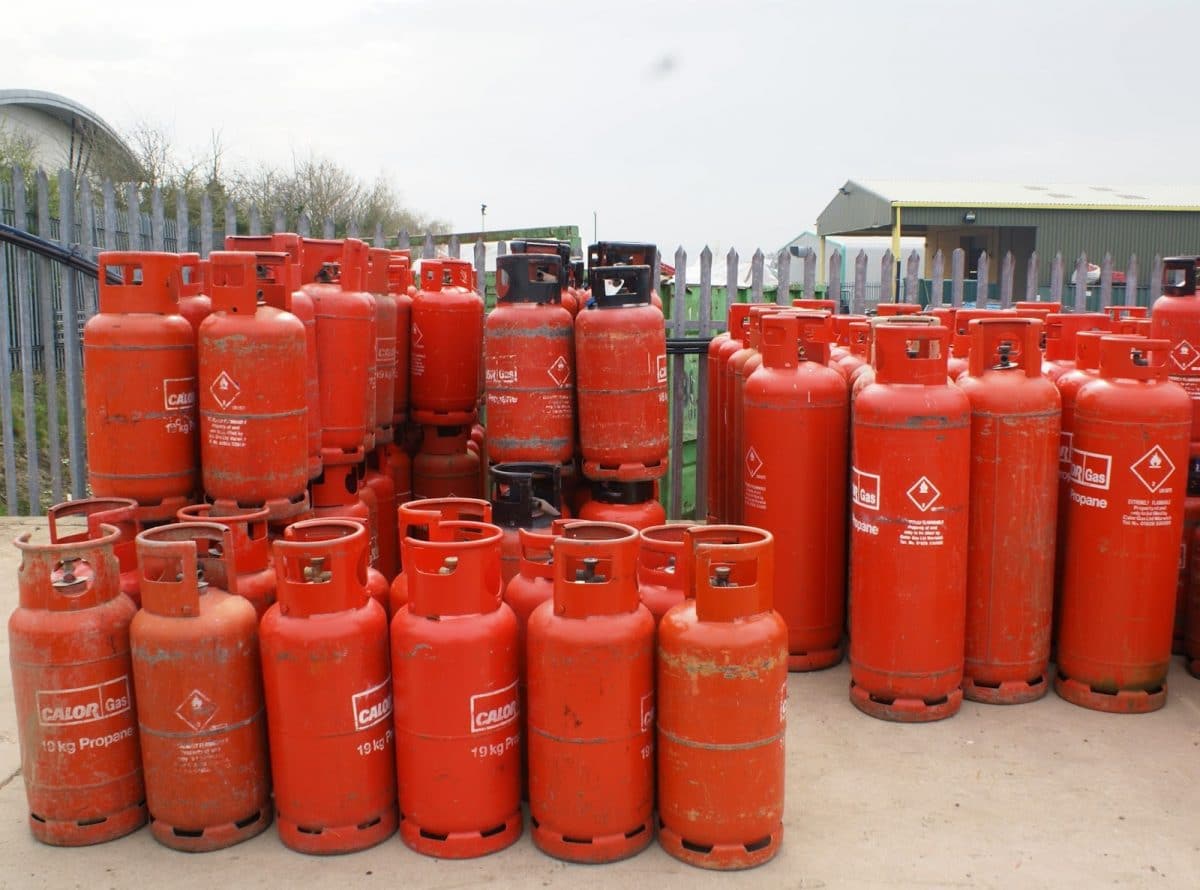
The price of cooking gas has risen sharply to N1,500 per kilogramme from N1,200, a 25 percent increase, while diesel prices have also climbed across major Nigerian depots. The simultaneous movement is creating fresh pressure on household energy bills and business operating costs.
DEVELOPMENT:
The latest mid-day depot price report for Wednesday, September 16, 2026, showed significant increases in Automotive Gas Oil (AGO), popularly known as diesel, particularly in Lagos, Port Harcourt and Warri.
In Lagos, Ibachem increased AGO by N170 to N2,000 per litre, while Ibeto raised its price by N135 to N1,970. Duport and Integrated increased prices by N110 each to N1,940. Ardova rose by N20 to N1,970, while Eterna and Rain Oil sold at N2,000. Nipco stood at N1,950.
In Port Harcourt, African Terminal, Duport and Integrated raised prices by N110 each to N1,940. Matrix in Warri increased its price by N40 to N2,120, the highest depot price captured in the report.
Petrol, however, remained comparatively stable in several locations, including Lagos, where prices ranged narrowly between N1,350 and N1,353 per litre.
Vice-President, Oil and Gas Service Providers Association of Nigeria (OGSPAN), Lawal Kamaldeen, described the downstream market as unstable.
“The downstream sector has been very unstable, characterised by frequent leaps in prices due to the prolonged USA-Iran war. Prices are likely to continue to be unstable in the coming weeks,” he said.
DATA:
Cooking gas has risen 25 percent, from N1,200 to N1,500 per kilogramme. Diesel reached N2,120 per litre at Matrix in Warri, while several Lagos suppliers were already at N2,000. Petrol remained around N1,350 per litre in Lagos.
SIGNIFICANCE:
The divergence between relatively stable petrol prices and rising diesel and cooking-gas costs matters because diesel remains a critical input for manufacturers, logistics operators, telecommunications firms, transport businesses and SMEs that depend on generators and diesel-powered equipment.
Higher energy costs can feed directly into production, distribution and consumer prices, potentially weakening household purchasing power and business margins.
NEXT MOVE:
The immediate watchpoints are further AGO price movements, cooking-gas retail prices, international crude and energy-market developments, and the ability of businesses to absorb or pass on higher operating costs.
OUR LENS:
The latest movement highlights the uneven transmission of energy-market pressures across Nigeria’s downstream sector. Petrol stability does not necessarily mean broader energy-cost stability. Rising diesel and cooking-gas prices could become a more consequential inflationary pressure if the increases persist.
Kingsley Ani is a journalist who has over the years been covering capital, markets, corporate results, economic and public-interest developments with a focus on clear, factual reporting.
Discover more from StakeBridge Media
Subscribe to get the latest posts sent to your email.