

By Olumide Johnson
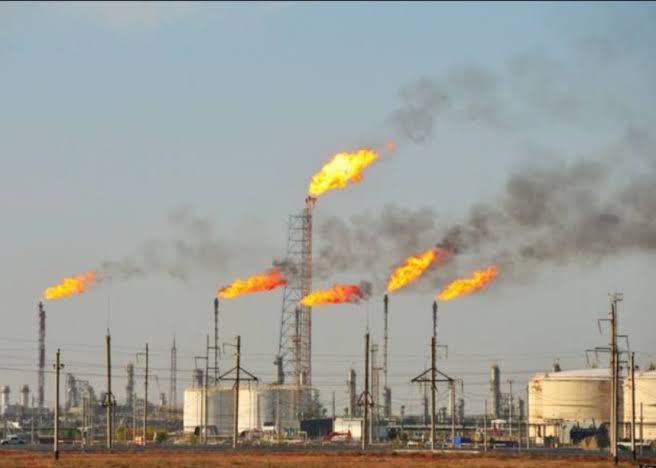
Federal government policies targeting routine gas flaring are facilitating the development of a multi-million-dollar flare gas-to-energy project at Agbada 2 in Rivers State.
DEVELOPMENT:
Chief Executive Officer of Energy Ventures B.V., Mr. Herbert Okibe, disclosed this during an inspection of the project site with Chief Financial Officer, Govert Rietema, and Chief Commercial Officer Yvonne te Wierik-Chioke. Energy Ventures B.V. is the Dutch parent company of Africa Gas Technology Company Limited, established to develop the project.
The team also met the leadership of Port Harcourt Electricity Distribution Company (PHEDC) to discuss electricity distribution.
Okibe credited President Bola Ahmed Tinubu’s administration, the Petroleum Industry Act and NUPRC initiatives with creating conditions for flare gas commercialisation.
“Very important is the effort that has been made by Mr President to put rules in place to ensure gas flaring is eliminated in Nigeria,” Okibe said.
“There has been a lot of progress on the regulatory side,” he added, noting that the project’s Environmental Impact Assessment had been approved by the Ministry of Environment.
DATA:
The project is designed to process about five million standard cubic feet of gas daily from flaring operations associated with Heirs Energy, converting it into electricity or LPG for surrounding communities.
“What we are trying to do is to convert waste gas to sustainable energy for customers who have been underserved in these areas,” Okibe said.
The project is expected to cost tens of millions of dollars and will combine private and government-backed financing, including Dutch Government support and Nigeria’s Midstream and Downstream Gas Infrastructure Fund.
Okibe also said that Nigeria has more than 100 locations where significant volumes of gas are flared.
SIGNIFICANCE:
The Agbada 2 project links three policy objectives: reducing gas flaring, monetising stranded gas and improving energy supply. Its significance also lies in its potential demonstration effect.
“This has been flared in this region for over 60 years. That is 60 years of polluting the environment, causing sicknesses and respiratory problems. What we are doing is a small step to correct that.”
The project has secured regulatory approval from the Midstream and Downstream Gas Regulatory Agency and a licence to establish the gas plant.
NEXT MOVE:
PHEDC has given the company the green light to approach the Nigerian Electricity Regulatory Commission for the required permit.
“With our visit today to PHEDC, we have gotten green light from the board to engage the Nigeria Electric Commission to get the permit to go ahead with the project,” he said.
Fencing has commenced, while full construction awaits the required construction permit.
OUR LENS:
The deeper issue is whether Nigeria can consistently turn environmental liabilities into investable energy assets. Okibe acknowledged regulatory, contractual and market challenges but said government agencies, the Dutch Government and host communities were supporting the project.
“We are not shying away from the challenges. The good news is that we are getting support not only from the government, but also from the host communities,” he said.
For Energy Ventures, Agbada 2 is intended as a pilot for similar projects in Nigeria and elsewhere.
“We believe it is an essential step to begin to turn wastes into real value for our people,” Okibe further said.
Olumide Johnson is a journalist, reporting on energy, maritime, business, and developments shaping Nigeria’s economy.
Discover more from StakeBridge Media
Subscribe to get the latest posts sent to your email.